



What's Happening?
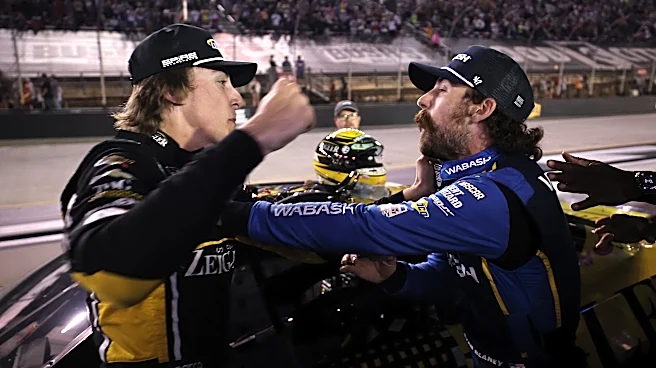
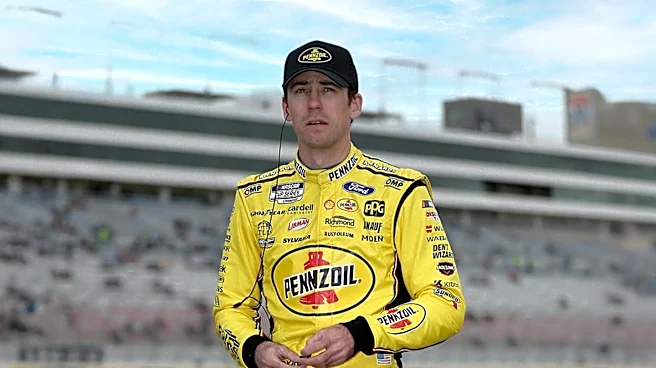
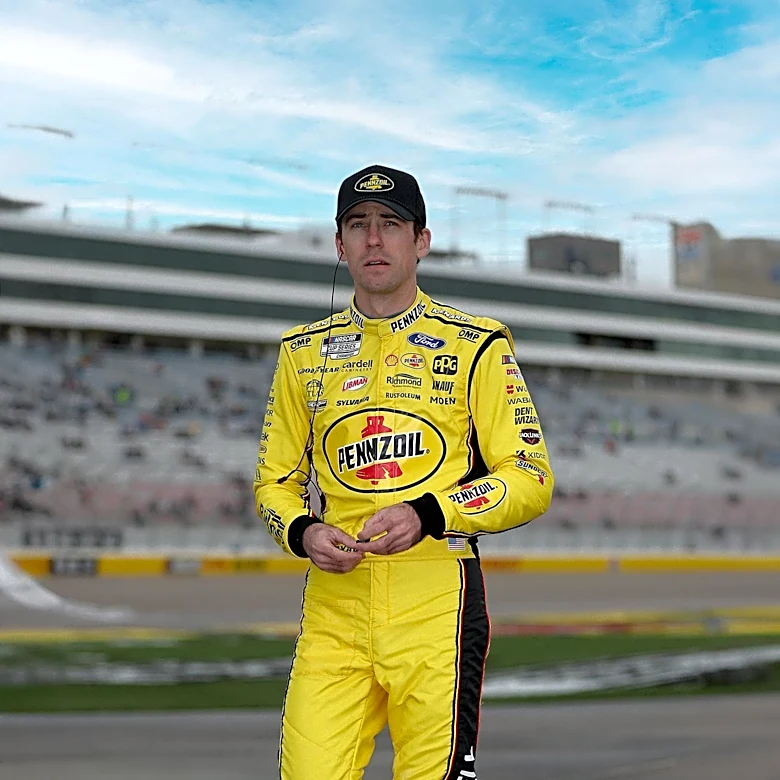
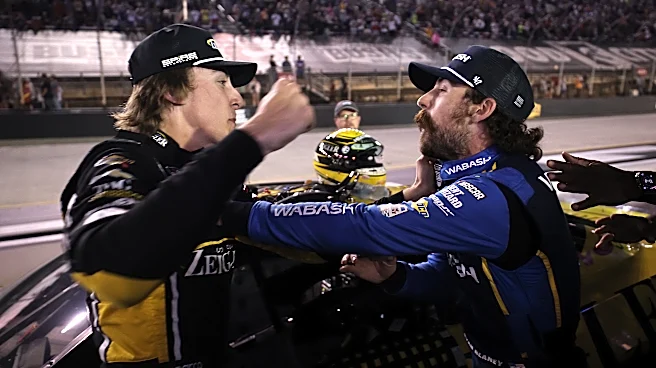
NASCAR has opted not to penalize drivers Ryan Blaney, Carson Hocevar, or any crew members involved in a brief fight on pit road following a race at Bristol. This decision, while potentially controversial, reinforces NASCAR's traditional preference for driver self-policing
over official intervention. The sanctioning body's stance suggests a message to drivers that while on-track aggression with cars is prohibited, confrontations on pit road or in the garage are permissible. Crew members are advised to avoid joining the fray but can separate drivers. The article notes a shift in driver demographics, with many younger competitors now entering the national touring series, requiring them to mature in the public eye. This contrasts with previous decades when most drivers were adults upon entering NASCAR. Past incidents, such as a 2013 altercation between Tony Stewart and Joey Logano, and a 2015 incident where Matt Kenseth intentionally crashed Logano, illustrate NASCAR's varied responses to driver conflicts.
Why It's Important?
This decision by NASCAR is significant as it re-establishes a precedent for how driver conflicts are managed within the sport. By allowing self-policing, NASCAR aims to maintain a certain level of raw, competitive intensity that has historically appealed to its fanbase, while drawing a clear line against using race cars as weapons. This approach could lead to more physical confrontations off-track, potentially increasing fan engagement through dramatic storylines, but also risks escalating tensions among competitors. For younger drivers like Carson Hocevar, who is described as often aggressive, this policy means they must navigate rivalries with less official oversight, potentially accelerating their 'growing up' in the public eye. The policy also impacts crew members, who are now implicitly tasked with de-escalation rather than participation, affecting team dynamics and responsibilities during heated moments. The distinction between on-track and off-track behavior is crucial for maintaining the integrity of the racing itself while permitting a degree of personal rivalry.
What's Next?
The implications of NASCAR's decision will likely unfold in future races, particularly as tensions build towards critical events like the Martinsville weekend in November, which the article highlights as potentially 'very interesting.' Drivers and teams will now operate under a clearer understanding of the boundaries for expressing aggression. This could lead to more direct, physical confrontations on pit road or in the garage, as drivers know they are unlikely to face official penalties for such actions, provided they don't involve their cars. Stakeholders, including team owners and sponsors, will need to adapt to this environment, potentially implementing their own internal guidelines for driver conduct. The policy also sets a precedent for how NASCAR will handle future incidents involving its increasingly younger roster of drivers, who are navigating their careers under intense public scrutiny and social media attention. The balance between maintaining competitive fire and ensuring safety and sportsmanship will remain a continuous challenge for the sanctioning body.
Beyond the Headlines
This policy decision delves into the deeper cultural aspects of NASCAR, reflecting a tension between modern sports governance and the sport's historical roots of rugged individualism and self-reliance. The emphasis on 'self-policing' harks back to an era when driver rivalries were often settled directly, adding a layer of authenticity and drama that many long-time fans appreciate. However, it also raises ethical questions about promoting or implicitly condoning physical altercations, especially in an era of heightened awareness around athlete conduct and role modeling. The generational shift in drivers, with many now entering the sport at younger ages, adds another dimension, as these individuals are expected to navigate intense rivalries and public scrutiny without the same level of maturity or experience as their predecessors. This policy could inadvertently place a greater burden on these young athletes to manage their emotions and conflicts, potentially impacting their personal and professional development under the intense spotlight of national television and social media. It also highlights the ongoing challenge for sports leagues to balance entertainment value with responsible oversight.