
What's Happening?
Giacomo Puccini's most celebrated operas, including 'La bohème,' 'Tosca,' 'Madama Butterfly,' and 'Turandot,' remain highly popular with audiences over a century after their premieres. Puccini composed
a total of 12 operas, with seven frequently performed. His works are known for their compelling dramas, glorious melodies, and fascinating characters. 'Madama Butterfly,' first performed in 1904, tells a moving tale of hope, betrayal, and heartbreak, featuring the demanding role of Cio-Cio-San. 'Tosca,' which premiered in 1900, is a gripping story of love, political intrigue, and sacrifice set in Rome. 'Turandot,' Puccini's final opera from 1926, is an enchanting display of his compositional gifts, incorporating adventurous music from contemporaries while maintaining an Italian style. 'La bohème,' from 1896, is a touching romance set in 19th-century Paris, depicting the lives of impoverished bohemians. Other notable works include 'Manon Lescaut,' 'Suor Angelica,' and the comedic 'Gianni Schicchi.'
Why It's Important?
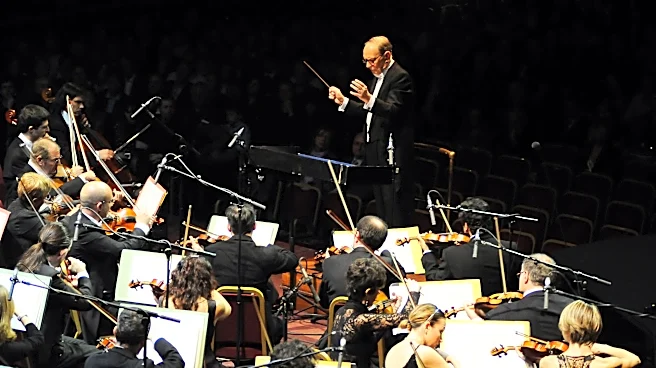
Puccini's operas hold significant cultural importance, contributing to the enduring legacy of classical music and opera worldwide. Their continued popularity ensures that opera remains accessible and engaging for new generations of audiences. The emotional depth and dramatic narratives within his works often explore universal themes of love, loss, sacrifice, and human struggle, resonating across diverse cultures and time periods. The Metropolitan Opera Chorus and Orchestra, for instance, contribute to the live classical music scene by performing these iconic works, preserving and promoting the art form. The sustained interest in Puccini's compositions also supports the broader arts industry, including performers, musicians, and production teams, contributing to the economic vitality of cultural institutions.
What's Next?
The enduring appeal of Puccini's operas suggests they will continue to be staples in opera houses globally. Future seasons at major opera companies, including those in the U.S., are likely to feature his works, attracting both seasoned opera-goers and newcomers. Educational initiatives and outreach programs may also leverage the popularity of these operas to introduce classical music to broader audiences. The ongoing performance and study of Puccini's compositions will ensure their place in the operatic canon, potentially inspiring new interpretations and productions that keep the art form fresh and relevant. The continued engagement with these works also fosters critical discussion and appreciation for the historical and artistic significance of opera.
Beyond the Headlines
Puccini's operas often delve into complex psychological and social themes, offering insights into human nature and societal norms of his time. For example, 'Madama Butterfly' explores themes of cultural clash and colonial attitudes, while 'Tosca' examines the corrupting influence of power and the resilience of the human spirit. 'Suor Angelica,' with its all-female cast, touches upon themes of maternal love, sin, and societal judgment, which remain relevant in contemporary discussions about women's roles and autonomy. The emotional intensity and melodic richness of his music also highlight the profound impact of art in expressing the inexpressible, providing a cathartic experience for audiences. These works serve as a testament to the power of storytelling through music, transcending linguistic and cultural barriers.