



What's Happening?
During live MSNBC broadcasts covering the 2026 election returns, network personalities Stephanie Ruhle and Nicolle Wallace were criticized for wearing high-end fashion items while discussing the economic struggles and cost-of-living impacts on American
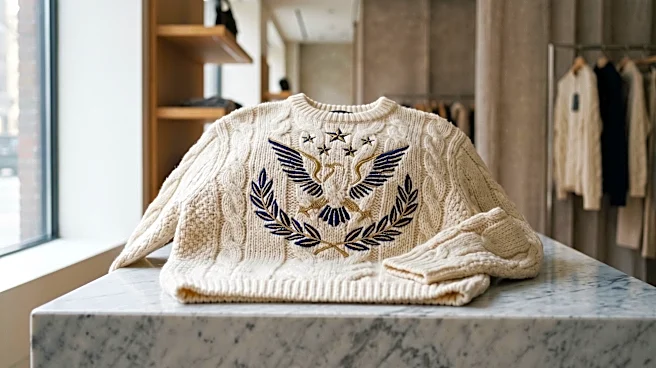
voters. Stephanie Ruhle was seen in a sweater with the embroidered message 'We the People,' and Nicolle Wallace wore a pink top with 'I Love Free Speech.' These items were identified as luxury fashion from Lingua Franca, part of an MSNBC collection. Critics highlighted the perceived disconnect between lamenting the financial difficulties of the audience and sporting expensive apparel, suggesting poor optics and messaging. The issue was framed as an 'absurd juxtaposition' given the network's focus on how the economy, including food and gasoline prices, was motivating voters.
Why It's Important?
This incident is important because it underscores the challenges media personalities face in maintaining relatability and credibility, especially when discussing sensitive economic issues. The perceived disconnect between the on-screen presentation of wealth and the discussion of audience financial hardship can erode trust and create a sense of elitism. For news organizations, such optics can undermine their message and alienate viewers who are genuinely struggling. In a political climate where economic inequality is a significant concern, the visual representation of media figures can become a focal point for criticism, impacting how their analysis and reporting are received. This situation highlights the broader tension between the aspirational image often projected by television personalities and the everyday realities of their audience.
Beyond the Headlines
The criticism leveled against MSNBC personalities for their fashion choices while discussing economic hardship touches upon deeper societal issues concerning class, media representation, and authenticity. It raises questions about the responsibility of public figures to be mindful of their image, particularly when addressing vulnerable populations. This incident can contribute to a broader narrative of media elites being out of touch with the average American, potentially fueling populist sentiments and distrust in mainstream news. Beyond the immediate optics, it prompts a discussion about the subtle ways in which economic disparities are reinforced or challenged through media portrayals, and the ethical considerations for broadcasters in aligning their personal presentation with the gravity of the topics they cover.