







What's Happening?
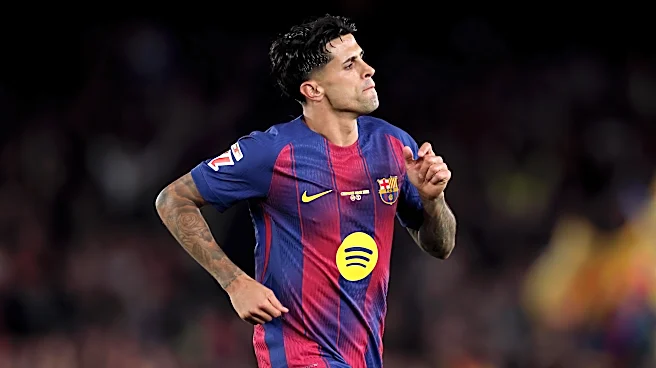
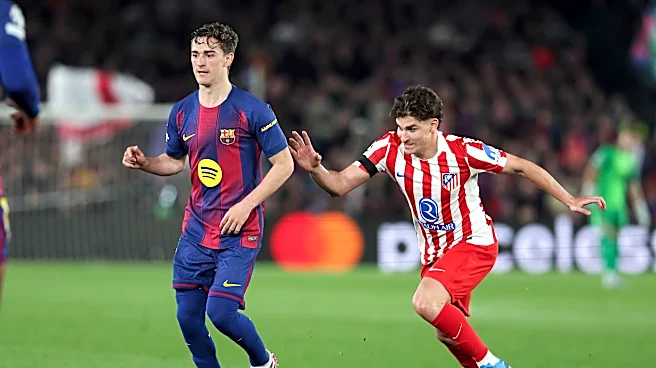
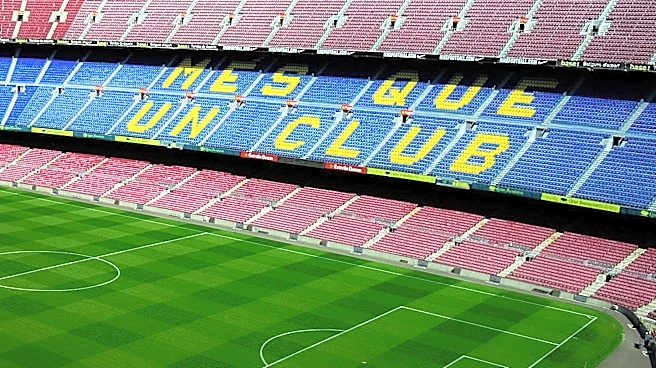
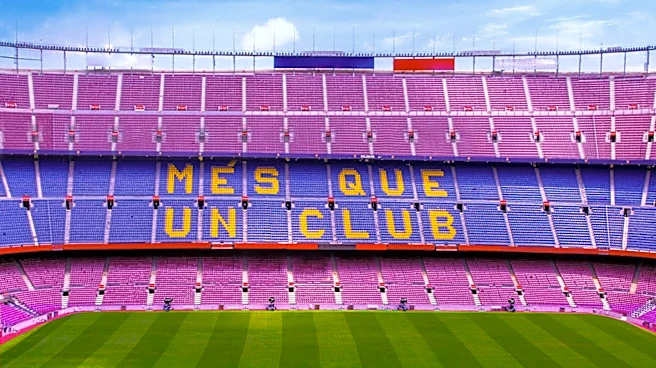
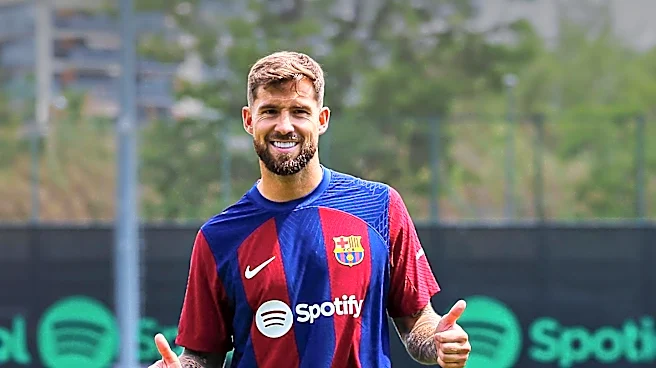
The landscape of sports sponsorships is undergoing a significant transformation, as brands move beyond traditional logo placements to create cultural platforms and experiences. Notable examples include Spotify's partnership with FC Barcelona, which transformed
the club into a cultural platform by integrating music and sports, featuring artists like Drake and Olivia Rodrigo. Similarly, Airbnb's World Cup partnership focuses on creating memorable fan experiences rather than just media inventory. This shift is driven by the need for sports to compete with other entertainment forms like Netflix and gaming, as the global entertainment market is projected to reach $3.5 trillion by 2029. Brands are now seeking to co-create valuable experiences with sports entities, as seen with IBM's integration of technology at Wimbledon and F1's 'Drive to Survive' series, which attracted millions of new fans.
Why It's Important?
This evolution in sports sponsorships reflects a broader trend where sports are becoming major players in the entertainment industry. By creating cultural platforms, sports organizations and brands can engage audiences more deeply, fostering loyalty and expanding their reach. This approach allows brands to shape audience experiences, offering more than just visibility. As sports compete with other entertainment forms, these partnerships can drive significant economic benefits, attracting new sponsors and audiences. The shift also highlights the importance of innovation in sponsorship strategies, as brands that successfully integrate into the cultural fabric of sports can achieve greater relevance and impact.
What's Next?
As the trend of integrating cultural elements into sports sponsorships continues, more brands are likely to explore creative partnerships that go beyond traditional advertising. This could lead to increased investment in sports as entertainment platforms, with brands seeking to co-create experiences that resonate with diverse audiences. Sports organizations may also look to expand their cultural influence by collaborating with artists, musicians, and other entertainment sectors. The success of these partnerships could prompt a reevaluation of sponsorship strategies across the industry, encouraging more innovative and audience-focused approaches.
Beyond the Headlines
The shift towards cultural platforms in sports sponsorships raises questions about the future of brand engagement and audience interaction. As brands and sports organizations collaborate to create unique experiences, there may be ethical considerations regarding the commercialization of cultural events. Additionally, the focus on creating memorable experiences could influence how sports are consumed and perceived, potentially altering fan expectations and the traditional sports viewing experience. This evolution may also impact smaller sports and emerging markets, offering opportunities for growth and increased visibility.