




What's Happening?
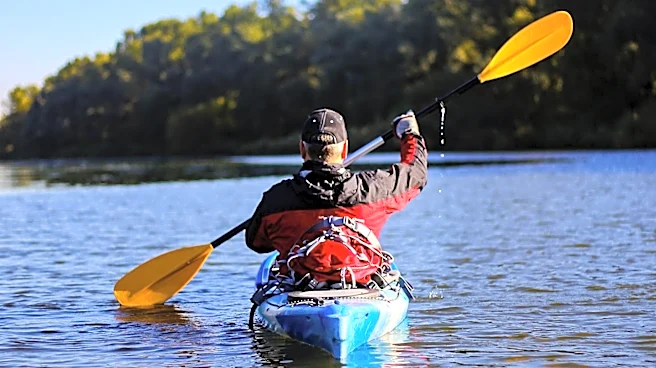
The Wisconsin Union has launched a new 'Intro to Adaptive Kayaking' class as part of its Outdoor Explorer Series. This course aims to educate participants on the use and support of a custom tandem adaptive kayak designed for individuals with limited mobility.
The Hoofer Outing Club and Outdoor UW possess this specialized kayak, which is available for rental. However, its utilization has been limited due to a lack of individuals familiar with its operation. The class will cover the specifics of this craft, including its history, how it came into the possession of Hoofers/Outdoor UW, its checkout system, and provide hands-on experience with all its features. Upon completion, participants will be added to a list of individuals qualified to assist those who wish to use the adaptive kayak, thereby increasing its accessibility. The course is open to all, without requiring a Hoofer membership, and is held at the Mendota Lodge in Memorial Union.
Why It's Important?
This initiative by the Wisconsin Union is significant for enhancing outdoor recreational opportunities for individuals with disabilities. By training more people to operate and assist with the adaptive kayak, the program directly addresses a barrier to participation for those with limited mobility. This not only promotes inclusivity in outdoor activities but also fosters a more supportive community environment. The availability of trained individuals will make it easier for people who might otherwise be unable to kayak to experience the lake, improving their quality of life and promoting physical activity. Furthermore, it highlights the importance of specialized equipment and knowledgeable support in making recreational spaces accessible to a broader population, setting a precedent for other organizations to follow in their efforts toward inclusivity.
What's Next?
Following the introduction of this new class, the Wisconsin Union and its affiliated clubs, Hoofer Outing Club and Outdoor UW, will likely see an increase in the utilization of their adaptive kayak. As more individuals become proficient in its use, there will be a greater capacity to support kayakers with limited mobility. The program may expand to include more advanced adaptive kayaking courses or regular assisted paddling sessions. The success of this initiative could also inspire other university outdoor programs or community recreation centers to invest in similar adaptive equipment and training programs, thereby broadening the impact of accessible outdoor recreation across the state and potentially nationwide. Continued outreach and promotion will be crucial to ensure that those who can benefit from this resource are aware of its availability and the support system in place.
Beyond the Headlines
The introduction of the adaptive kayaking class extends beyond simply offering a new recreational activity; it represents a broader commitment to universal design and accessibility in public spaces. This program challenges conventional notions of who can participate in outdoor sports, emphasizing that with appropriate modifications and support, nearly anyone can engage. It also underscores the ethical responsibility of institutions to provide equitable access to resources and experiences. The long-term implications could include a shift in how outdoor recreation facilities are designed and managed, with a greater focus on inclusivity from the outset. This initiative could also foster a more empathetic and understanding community, as participants learn to support and empower individuals with diverse needs, contributing to a more inclusive societal fabric.