







What's Happening?
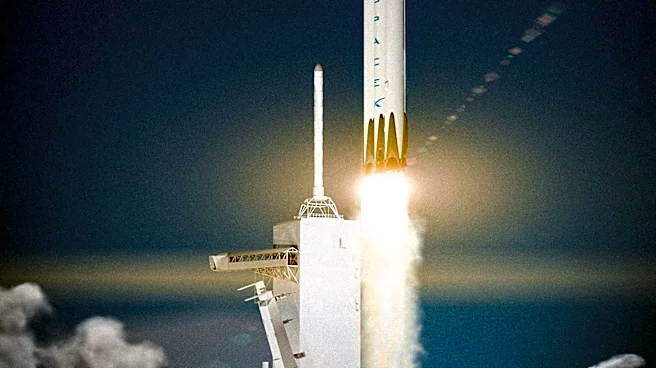
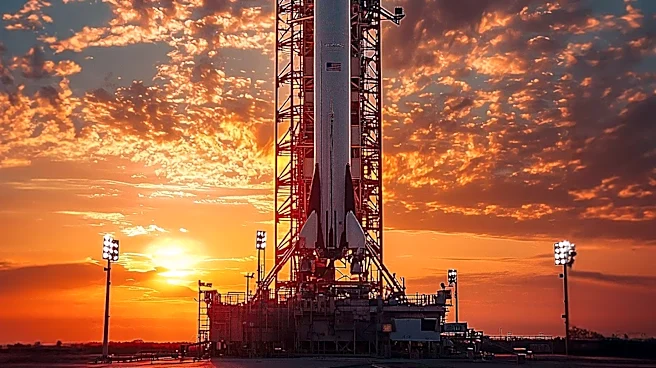
A SpaceX Falcon 9 rocket experienced a post-ignition abort at Vandenberg Space Force Base, halting the Starlink 17-39 mission. The abort occurred when all nine Merlin engines briefly ignited and then shut down due to an anomaly detected by the flight
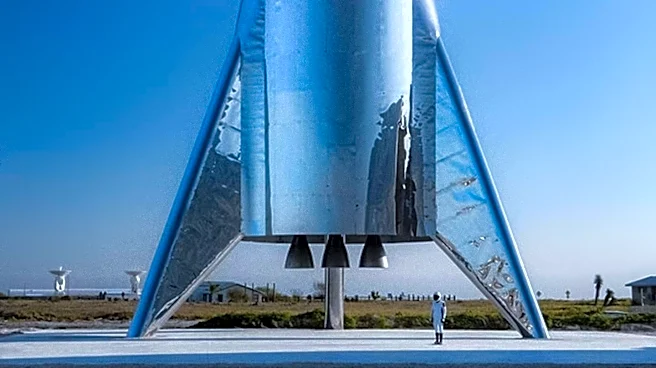
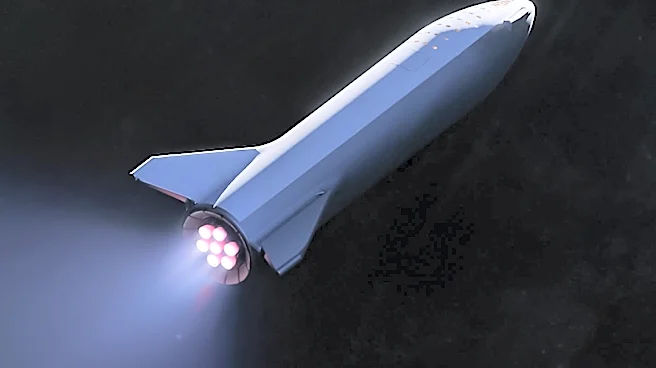
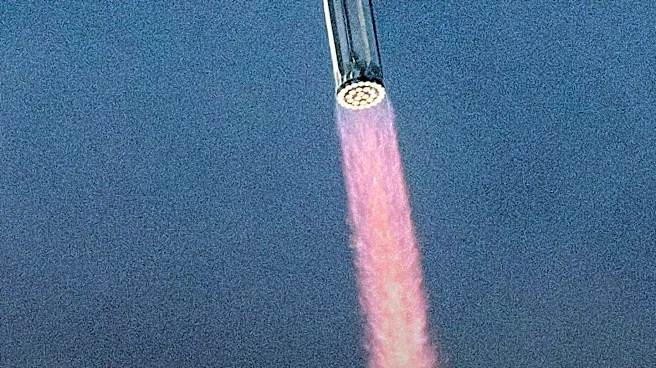
computer. This safety response is designed to prevent catastrophic consequences by stopping the rocket while it is still clamped to the pad. The incident marks the second post-ignition abort for Falcon 9 in over two years and follows a similar abort involving SpaceX's Starship. The 24 Starlink V2 Mini satellites aboard the rocket were unaffected, and SpaceX has not yet disclosed the cause of the abort.
Why It's Important?
The abort highlights the critical role of SpaceX's safety systems in ensuring mission success and vehicle integrity. The Falcon 9 is a key vehicle for deploying the Starlink constellation, which is crucial for global internet coverage. A delay in the launch schedule could impact the expansion of this network. Additionally, the incident raises questions about the reliability of SpaceX's launch operations, especially given the recent Starship abort. However, the successful activation of the abort system demonstrates the effectiveness of SpaceX's safety protocols in preventing more serious incidents.
What's Next?
SpaceX will conduct an investigation to determine the cause of the abort. The company has not announced a new launch date for the Starlink 17-39 mission. Depending on the investigation's findings, the booster may be inspected or replaced. The outcome will be closely watched by stakeholders, including government agencies and commercial partners. The incident's resolution will be critical for maintaining confidence in SpaceX's launch capabilities and schedule.