




What's Happening?
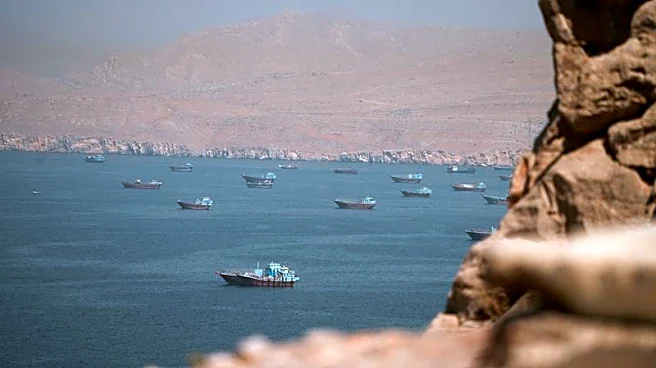
Equinor's Chief Financial Officer, Torgrim Reitan, has expressed concerns about the fragility of the European gas market as the region approaches the autumn and winter months. According to Reitan, Europe's gas storage facilities are significantly below
capacity, making the market particularly vulnerable to geopolitical tensions, such as the ongoing conflict in the Middle East and disruptions in LNG supplies from the Strait of Hormuz. Despite these challenges, Equinor reported a substantial increase in second-quarter profits, driven by rising oil and gas prices.
Why It's Important?
The fragility of the European gas market has significant implications for energy security and pricing in the region. Low storage levels could lead to increased volatility in gas prices, affecting both consumers and industries reliant on stable energy supplies. The situation underscores the importance of diversifying energy sources and enhancing storage capabilities to mitigate risks associated with geopolitical tensions and supply disruptions. Equinor's financial performance, bolstered by high energy prices, highlights the complex interplay between market vulnerabilities and corporate profitability in the energy sector.
What's Next?
As Europe heads into the colder months, energy stakeholders will likely focus on strategies to bolster gas storage and secure alternative supply routes. Policymakers may also consider measures to enhance energy resilience and reduce dependency on volatile regions. The situation could prompt increased investment in renewable energy and infrastructure to diversify energy sources and improve long-term stability. Equinor and other energy companies will need to navigate these challenges while balancing profitability and sustainability goals.