

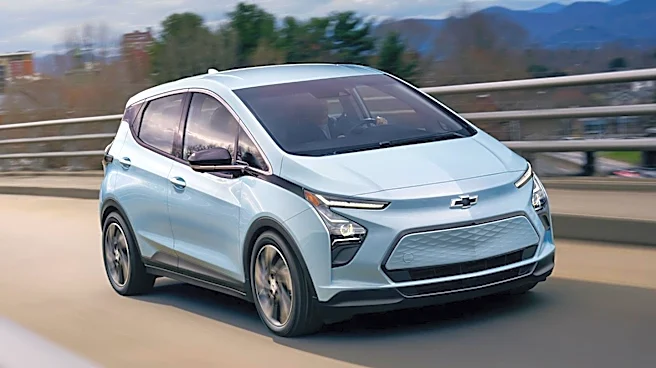


What's Happening?
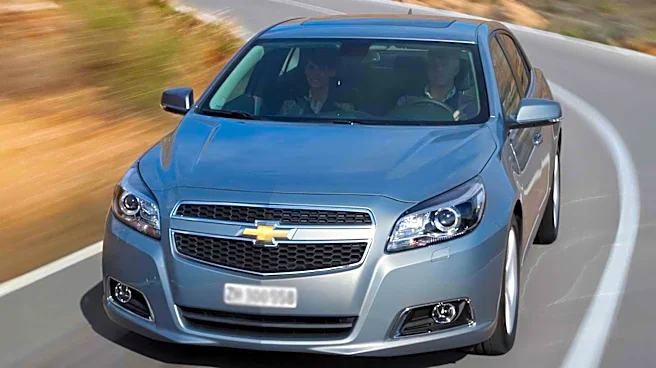
Chevrolet is set to launch a new sedan and will focus on the production of gasoline-powered models as it adapts to lower-than-expected demand for electric vehicles (EVs). Despite this shift, Chevrolet is not withdrawing from the EV market entirely. The
decision comes as part of a broader strategy to balance its product offerings in response to current market conditions. This move highlights the challenges automakers face in transitioning to electric vehicles, as consumer demand and infrastructure development continue to evolve. The company aims to maintain its presence in the EV sector while leveraging its existing gasoline vehicle production capabilities.
Why It's Important?
The decision by Chevrolet to adjust its strategy underscores the complexities of the automotive industry's transition to electric vehicles. While there is a global push towards electrification, consumer adoption rates and infrastructure readiness vary significantly. By continuing to produce gasoline-powered vehicles, Chevrolet can cater to current market demands and maintain profitability. This strategy may also provide the company with the flexibility to invest in future EV technologies and infrastructure as the market matures. The move reflects a cautious approach that could influence other automakers facing similar challenges in balancing innovation with market realities.
What's Next?
Chevrolet's strategy adjustment may prompt other automakers to reassess their own EV plans, especially those with significant investments in electric vehicle production. The industry will likely monitor consumer response to Chevrolet's new sedan and its impact on sales. Additionally, regulatory developments and incentives for EV adoption could influence future decisions. As the market evolves, Chevrolet may explore partnerships or technological advancements to enhance its EV offerings and infrastructure support. The company's ability to adapt to changing market conditions will be crucial in maintaining its competitive edge.