




What's Happening?
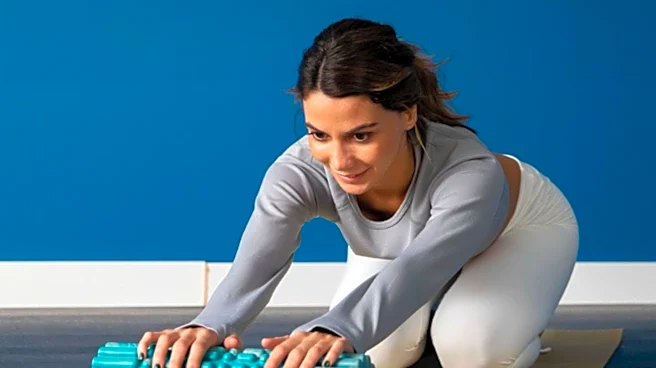
Foam rollers, cylindrical pieces of firm foam, are being widely used for self-myofascial release, a technique that massages muscles and releases tension. This practice aims to improve mobility, alleviate muscle tightness and soreness, and aid in post-workout
recovery. It is recommended to incorporate foam rolling both before workouts, to warm up muscles, and after workouts or on rest days, to facilitate recovery. Foam rollers are available in various textures, with firmer options providing deeper pressure and proving more effective for lower limb recovery. Research indicates that consistent foam rolling can accelerate muscle recovery, reduce fatigue, and decrease delayed onset muscle soreness, while also enhancing flexibility and range of motion.
Why It's Important?
The increasing adoption of foam rollers highlights a growing emphasis on self-care and injury prevention within the fitness and wellness industries. For individuals, this means more accessible and affordable tools for managing muscle pain and improving physical performance without necessarily requiring professional intervention. For the sports and fitness sectors, the proven benefits of foam rolling, such as accelerated recovery and improved flexibility, can lead to better athlete performance and reduced downtime due from injuries. This trend also impacts the manufacturing and retail sectors, as demand for various types of foam rollers, from gentle to textured, continues to grow. The emphasis on proactive muscle care can also contribute to a healthier workforce, potentially reducing healthcare costs associated with musculoskeletal issues.
What's Next?
The market for foam rollers and related self-myofascial release tools is likely to continue expanding, with potential innovations in materials, designs, and integrated technologies. We may see more specialized foam rollers designed for specific muscle groups or conditions, as well as smart foam rollers that provide feedback on pressure and technique. Educational programs and fitness professionals are also expected to further integrate foam rolling into standard workout routines and rehabilitation protocols. Research will likely continue to explore the long-term benefits and optimal application methods of foam rolling, potentially leading to more refined recommendations for its use in various populations, from elite athletes to general fitness enthusiasts.
Beyond the Headlines
The widespread acceptance of foam rolling reflects a broader cultural shift towards personal responsibility for health and wellness. It underscores a desire for accessible, non-pharmacological methods of pain management and performance enhancement. This trend also touches upon the democratization of fitness knowledge, as individuals increasingly seek and implement self-directed strategies for physical well-being. The simplicity and effectiveness of foam rolling challenge traditional notions that muscle recovery and flexibility improvement require expensive equipment or professional services, empowering individuals to take a more active role in their physical health. This could also lead to a greater appreciation for the body's biomechanics and the importance of consistent, preventative care.