








What's Happening?
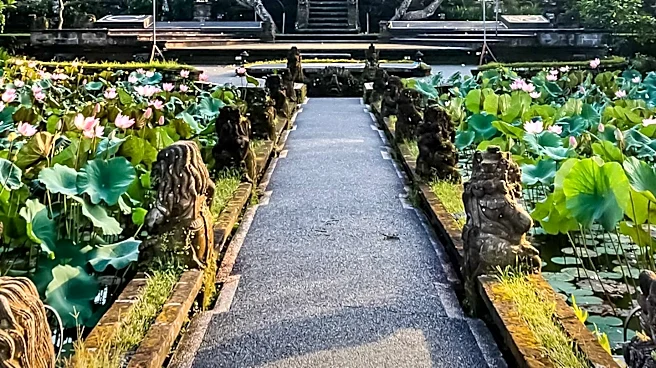
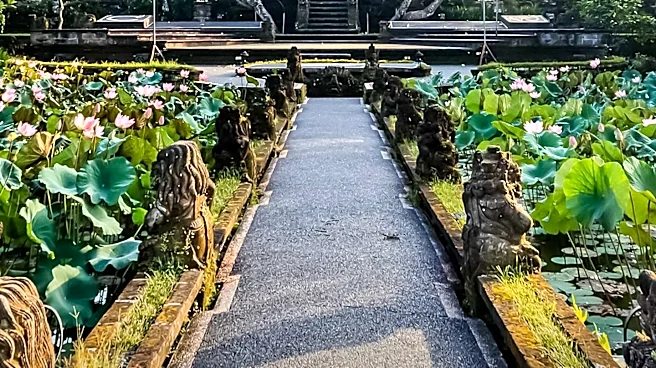
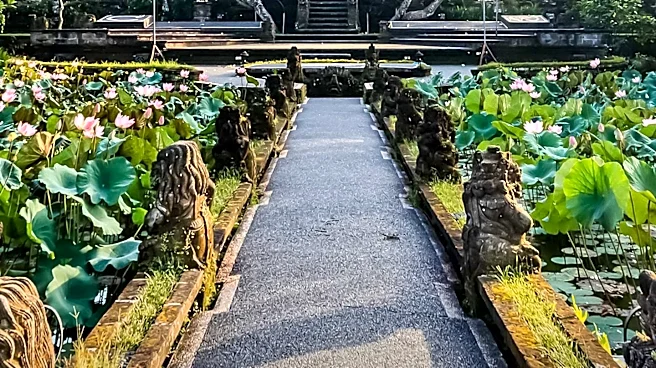
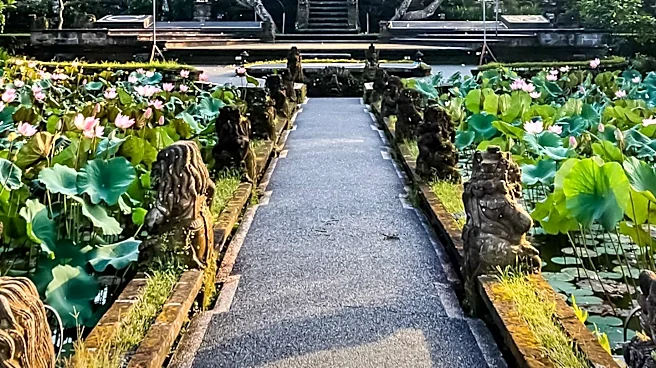
Ubud, Bali, is being highlighted as the island's cultural heart, offering a serene environment characterized by rice fields, traditional temples, and local markets. Unlike Bali's coastal regions, Ubud is situated inland and is renowned for its cultural attractions,
wellness activities, and opportunities for countryside exploration, rather than beaches. It serves as a gateway for travelers venturing eastward through Bali to destinations such as Sidemen, Candidasa, and Amed. The area provides a wide range of accommodations, from luxurious villas to budget-friendly hotels. Dining options are also diverse, including Mediterranean cuisine available at Amerta restaurant within the Anantara Ubud Bali Resort. The region's unique blend of cultural immersion and natural beauty makes it a distinct destination within Bali.
Why It's Important?
The recognition of Ubud as Bali's cultural heart underscores the growing global interest in authentic travel experiences that go beyond typical beach tourism. For the U.S. tourism industry and travelers, this highlights a destination that offers rich cultural engagement, spiritual retreats, and eco-tourism opportunities. This focus on cultural and wellness tourism can influence travel trends, potentially drawing more U.S. visitors seeking immersive experiences rather than just leisure. Local businesses in Ubud, including hotels, restaurants, and craft markets, stand to gain from increased tourism, fostering economic growth in the region. Conversely, over-tourism could pose challenges to the preservation of Ubud's cultural integrity and natural environment, necessitating sustainable tourism practices.
What's Next?
As Ubud continues to gain prominence as a cultural and wellness destination, future developments are likely to focus on enhancing visitor experiences while preserving its unique character. This may include further development of eco-friendly accommodations and cultural workshops. Local authorities and tourism boards might implement strategies to manage tourist flow, ensuring that the influx of visitors does not detract from the area's authenticity. There could also be an increase in specialized tours focusing on Balinese traditions, art, and spiritual practices. The hospitality sector, including establishments like Anantara Ubud Bali Resort, will likely continue to innovate their offerings to cater to a diverse international clientele, including those from the U.S., seeking both luxury and cultural immersion.
Beyond the Headlines
The emphasis on Ubud's cultural significance extends beyond mere tourism, touching upon deeper themes of cultural preservation and sustainable development. The traditional Balinese subak system, an ancient cooperative water management system for rice paddies, is integral to Ubud's landscape and cultural identity. The continued appreciation of Ubud could encourage greater investment in preserving such indigenous practices and natural ecosystems. Furthermore, the blend of traditional Balinese life with modern amenities and international cuisine, as seen in restaurants like Amerta, reflects a broader trend of globalization impacting local cultures. This dynamic interplay presents both opportunities for cultural exchange and challenges in maintaining the distinctiveness of Balinese heritage amidst growing international influence.