



What's Happening?
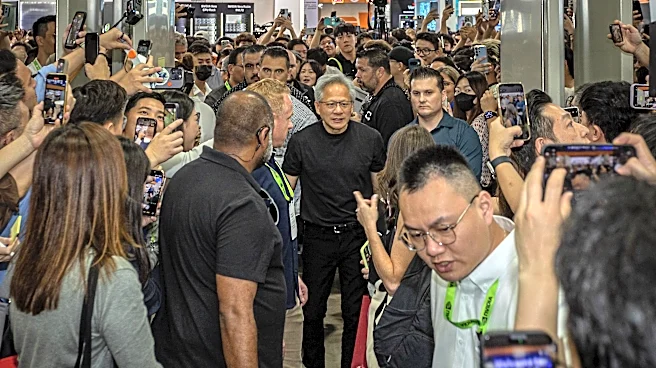
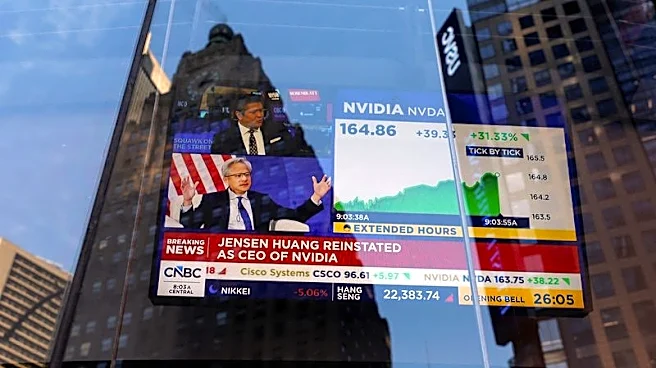
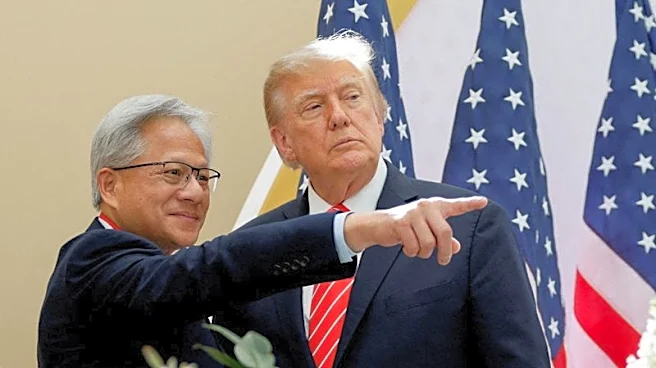
Nvidia's board of directors has unanimously reinstated Jensen Huang as CEO, less than two weeks after his resignation. Huang had stepped down following reports of an affair with Alice Huang, who is suspected by U.S. intelligence of being a Chinese spy,
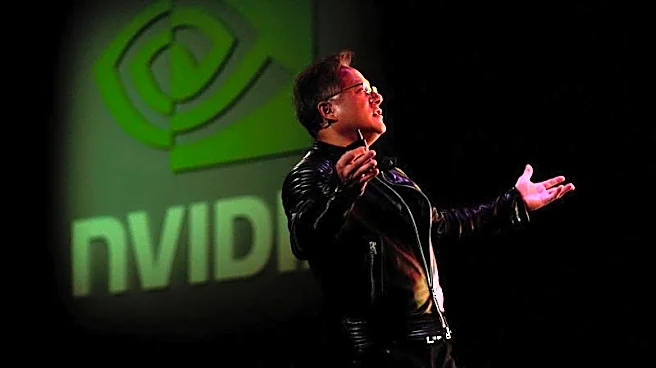
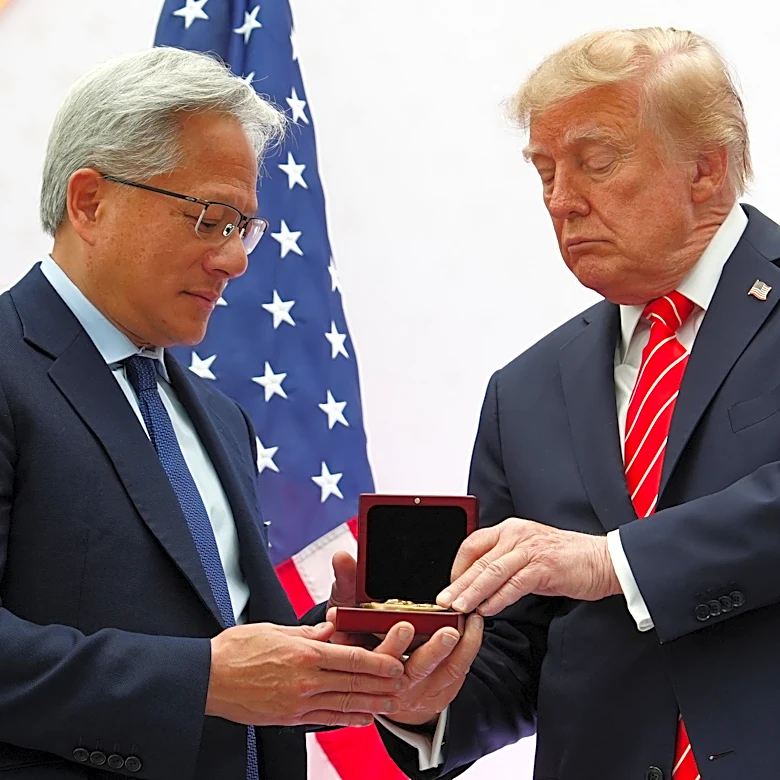
as well as affairs with other Nvidia employees. The board's decision came after discussions with Huang and input from senior levels of the U.S. government, which reportedly reassured them that his reinstatement posed no national security risk. President Trump publicly supported Huang's return, stating his intervention was 'very important' and that the decision was 'correct and proper.' Huang himself expressed honor in returning to lead Nvidia, a company he founded in 1993, at what he described as the beginning of a new industrial revolution. He had previously admitted to infidelity in an email to employees and pledged cooperation with the board's investigation.
Why It's Important?
The reinstatement of Jensen Huang is significant due to Nvidia's critical role in the global technology landscape, particularly in the rapidly advancing field of artificial intelligence. Nvidia's specialized computer chips are central to AI development, making the company a key player in the technological competition between the U.S. and China. Concerns about national security arose from Huang's affair with a suspected Chinese spy, raising questions about potential compromises of sensitive technology and government contracts. The U.S. government's involvement in the board's decision-making process underscores the strategic importance of Nvidia and its leadership. The situation also highlights the complex interplay between corporate governance, national security interests, and high-profile personal conduct in the tech industry. The controversy had drawn attention from various stakeholders, including other Silicon Valley executives who urged Huang's return, and some Washington officials who called for a leadership change.
What's Next?
Jensen Huang will resume his leadership at Nvidia, focusing on the company's continued dominance in AI chip manufacturing. However, the fallout from the scandal may not be entirely over. Rep. Brian Mast, the Republican chairman of the House Foreign Affairs Committee, has indicated that Huang agreed to testify before Congress, with House Republicans requesting a closed-door interview on December 1. This suggests ongoing scrutiny from legislative bodies regarding the national security implications of the affair and Nvidia's operations. The Justice Department is also reportedly investigating whether Megaspeed, the company Alice Huang worked for, illegally routed Nvidia products into China. Nvidia's board has stated it believes no national security or company secrets were compromised, but these investigations could bring further details to light and potentially impact Nvidia's future dealings with the U.S. government and its international business strategies.
Beyond the Headlines
This event delves into the intricate ethical and geopolitical dimensions of corporate leadership in the age of advanced technology. The alleged involvement of a suspected Chinese spy in a relationship with the CEO of a pivotal AI company underscores the heightened risks of industrial espionage and the methods employed by state actors to gain technological advantage. It also raises questions about the personal conduct of corporate leaders and its potential impact on national security, blurring the lines between private life and public responsibility. The intervention of President Trump in a corporate board decision highlights the growing trend of political influence in critical industries deemed vital for national interest. Furthermore, the incident could prompt a re-evaluation of security protocols and vetting processes for executives in sensitive technology sectors, potentially leading to stricter guidelines for personal relationships and foreign interactions among key industry figures.