








What's Happening?
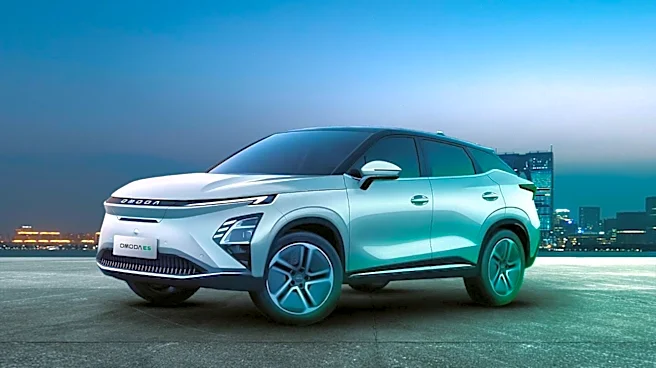
Chery, one of the world's largest automakers, is actively seeking partnerships with U.S. carmakers to enter the American market. Despite its global presence, the U.S. market has remained largely inaccessible to Chery due to national security concerns
and economic protectionism against Chinese automakers. Chery Vice President Charlie Zhang stated in an interview with Reuters that the company is open to various options, including potential partnerships with American car manufacturers. Zhang expressed confidence that Chery could develop a 'China-free solution' for hardware and software, addressing concerns about reliance on Chinese technology. The company believes its entry would foster greater competition within the U.S. auto industry, which Zhang suggested could otherwise fall behind without it. Chery is also preparing to launch in Canada in early 2027, following Canada's decision to cut its 100% tariff on Chinese-made EVs, which has opened the door for other Chinese brands like Geely and BYD to enter the North American market.
Why It's Important?
Chery's potential entry into the U.S. market, particularly through partnerships with American carmakers, could significantly impact the automotive industry. Increased competition from a major global player like Chery could lead to more diverse vehicle options and potentially lower prices for consumers, as suggested by Chery Vice President Charlie Zhang, who noted the high average price of U.S. cars. For U.S. automakers, such partnerships could offer new manufacturing capabilities, access to different technological advancements, or expanded market reach. However, it also presents challenges, as domestic manufacturers would face heightened competition. The emphasis on a 'China-free solution' for hardware and software highlights ongoing geopolitical and economic tensions, particularly regarding technology and supply chain security. This move could also influence trade policies and regulations, especially concerning tariffs and market access for foreign companies, potentially setting a precedent for other international automakers looking to enter the U.S. market under similar conditions.
What's Next?
Chery is expected to continue exploring and formalizing potential partnerships with U.S. automakers. The company's preparations for a Canadian launch in early 2027 suggest a broader strategy for North American market entry, with Canada potentially serving as a gateway or testing ground. The success of its 'China-free solution' for hardware and software will be crucial in addressing U.S. national security concerns and gaining regulatory approval. Stakeholders, including U.S. policymakers, domestic auto manufacturers, and consumer advocacy groups, will closely monitor these developments. Any concrete partnership announcements or regulatory filings will likely trigger further discussions about market competition, technological independence, and trade relations between the U.S. and China. The outcome of these efforts could redefine the landscape of the U.S. automotive market and influence future international collaborations in the sector.
Beyond the Headlines
Chery's strategic push into the U.S. market, particularly its willingness to develop 'China-free' vehicles, underscores a broader global trend of decoupling and de-risking in supply chains and technology. This approach reflects the increasing importance of national security considerations in economic and trade policies, especially in critical sectors like automotive manufacturing. The move could challenge existing perceptions of Chinese-made goods and technology, potentially fostering a new model for international business collaborations that prioritizes local content and technological independence. Furthermore, if successful, Chery's entry could stimulate innovation within the U.S. auto industry, pushing domestic manufacturers to accelerate their own technological advancements and competitive strategies. It also raises ethical questions about the balance between fostering competition and protecting national interests, and how these dynamics will shape the future of global trade and technological development.