







What's Happening?
Aon CEO Greg Case has issued a warning that the escalating risks associated with artificial intelligence (AI) infrastructure, particularly data centers, could jeopardize their financing. In an interview with CNBC, Case highlighted that the concentration
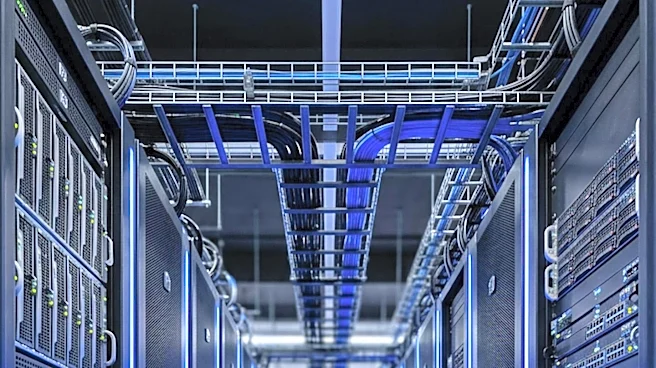
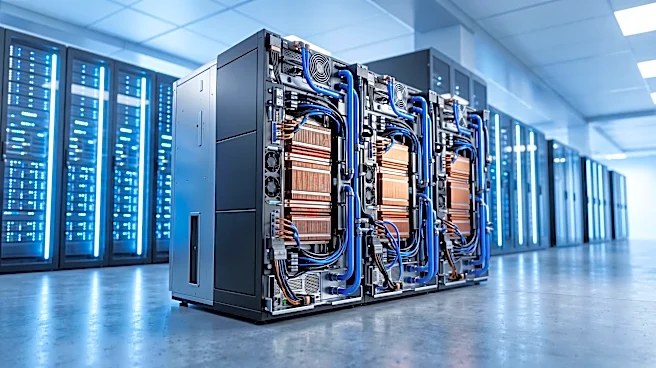
of billions of dollars worth of equipment and computing capacity in a limited number of locations creates significant 'concentration risk.' This risk makes it increasingly difficult to secure insurance for these projects, which in turn can severely impact their ability to access debt markets for financing. Case emphasized the staggering potential financial exposure from operational disruptions, stating that business interruption in data centers could amount to millions of dollars per minute. This concern arises as technology companies rapidly increase their investments in data centers, electricity generation, and other infrastructure necessary to support the burgeoning AI industry.
Why It's Important?
This warning from Aon's CEO is critical for the U.S. business and technology sectors, as it points to a potential bottleneck in the rapid expansion of AI infrastructure. The inability to secure adequate insurance or financing could slow down the development of crucial AI data centers, impacting technological advancement and economic growth. For the insurance industry, it highlights a new frontier of risk assessment and product development, requiring innovative solutions to cover unprecedented concentrations of value and operational dependencies. Businesses relying on AI, from tech giants to smaller enterprises, could face higher costs or delays in accessing necessary computing power. This situation also underscores the broader economic implications of technological shifts, where new innovations create unforeseen challenges in traditional financial and risk management frameworks. The potential for 'millions of dollars per minute' in business interruption costs signifies a massive systemic risk that could affect various industries reliant on these data centers.
What's Next?
In response to these emerging risks, Aon is already developing specialized insurance facilities, including a $10 billion data center facility and a $2.5 billion energy facility, to meet the growing demand for coverage. The focus will be on working with developers to design and locate facilities in ways that mitigate risk, reduce business interruption potential, and structure insurance coverage to support financing. This suggests a trend towards more integrated risk management, where insurers are involved in the early stages of project planning. The industry will likely see continued innovation in risk modeling and insurance products tailored to the unique challenges of AI infrastructure. Furthermore, discussions around regulatory frameworks for AI and data center development may intensify, aiming to balance rapid technological advancement with robust risk management and financial stability. Companies involved in AI development and data center construction will need to prioritize comprehensive risk assessments and collaborate closely with insurance providers to ensure project viability.
Beyond the Headlines
The challenges in insuring AI data centers reveal deeper implications about the nature of modern technological infrastructure and its vulnerabilities. The 'concentration risk' described by Case is not just financial; it also points to potential points of failure that could have cascading effects across the digital economy. A major disruption to a highly concentrated data center could impact numerous services, from cloud computing to critical national infrastructure, raising national security concerns. This situation also highlights the ethical dimension of technological progress, where the pursuit of advanced AI must be balanced with robust safeguards against systemic risks. The need for 'engineering conversations around understanding risk' suggests a shift towards a more holistic approach to technology development, integrating risk management from conception to operation. This could lead to new standards for data center design, location, and operational resilience, influencing urban planning and energy infrastructure development in the long term.