








What's Happening?
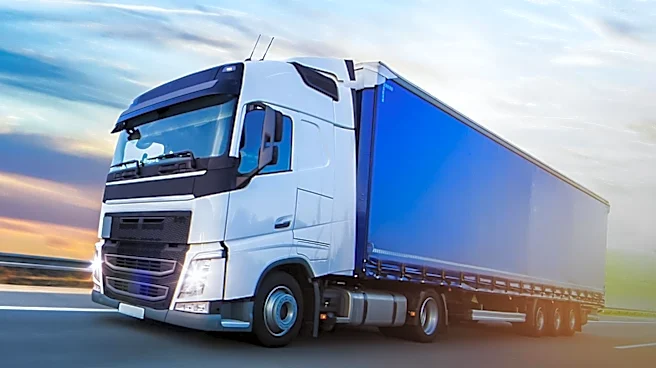
Carrier Transicold has launched a new initiative called Fleet Refresh, aimed at helping refrigerated fleets extend the service life of their existing trailer assets. This program allows fleets to replace aging transport refrigeration units (TRUs) on trailers
without the need to replace the entire trailer. The initiative is a response to rising trailer acquisition costs and extended lead times, which have prompted many refrigerated fleets to seek alternatives to full trailer replacement. Fleet Refresh focuses on replacing only the TRU, which reduces acquisition costs compared to a standard new TRU installation. The program is available for various Carrier Transicold trailer refrigeration units, including the X4 and Vector series. Each installation includes Lynx Fleet telematics and BluEdge service coverage, providing visibility into refrigeration unit performance and maximizing equipment uptime.
Why It's Important?
The introduction of the Fleet Refresh program is significant for the trucking industry, particularly for refrigerated carriers. By offering a cost-effective solution to extend the life of trailers, Carrier Transicold addresses the financial challenges faced by fleets due to high equipment costs and supply chain constraints. This program allows fleets to maintain cold chain performance without the need for purchasing new trailers, thereby managing capital spending more efficiently. The inclusion of advanced telematics and service coverage ensures that fleets can continue to rely on high-performance refrigeration technology, which is crucial for the transportation of perishable goods.
What's Next?
As fleets begin to adopt the Fleet Refresh program, it is likely that other companies in the transport refrigeration sector may develop similar initiatives to remain competitive. The program's success could lead to broader industry adoption of refurbishment strategies over full replacements, potentially influencing market dynamics and equipment lifecycle management practices. Additionally, the integration of telematics and service coverage may set a new standard for fleet management, encouraging further technological advancements in the industry.