






What's Happening?
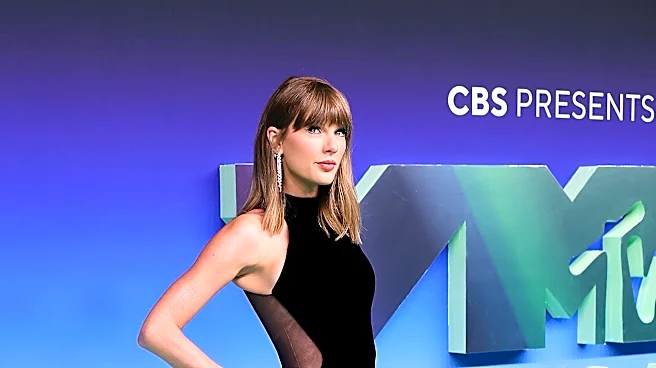
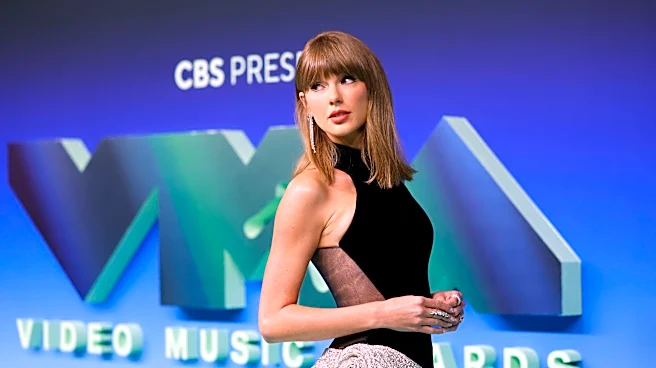
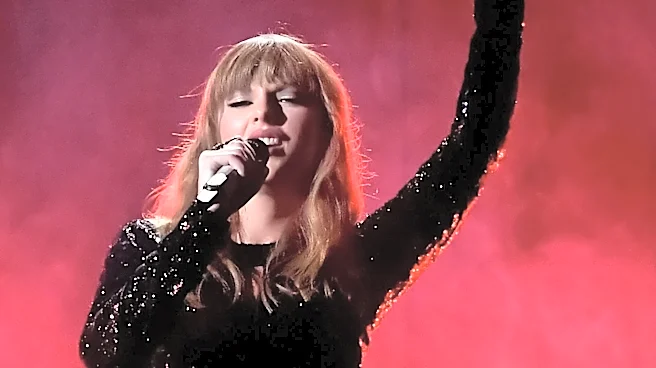
Veteran musician Todd Rundgren has offered a critical assessment of Taylor Swift's musical abilities, describing her as the 'apotheosis of mediocrity' in a recent interview. Rundgren questioned Swift's strengths as a singer, songwriter, and dancer, and suggested
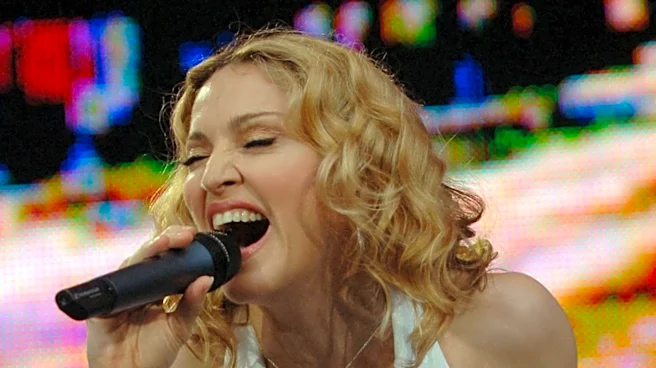
that her influence might have a negative effect on music. This continues a pattern of criticism he has directed towards Swift over several years. In contrast, Rundgren praised Lady Gaga, highlighting her musicianship and classical piano training, drawing a clear distinction between the two artists. Taylor Swift, who has won the Grammy Award for Album of the Year four times and accumulated numerous No. 1 albums, has previously stated that listeners are entitled to their own opinions about art.
Why It's Important?
Todd Rundgren's critique of Taylor Swift and praise for Lady Gaga highlights an ongoing debate within the music industry regarding artistry, commercial success, and the definition of a 'real musician.' This discussion is important for the U.S. music industry as it reflects a generational and stylistic divide in how artists are evaluated. Swift's immense commercial success and critical acclaim from mainstream awards bodies like the Grammys demonstrate her significant impact on popular culture and the music economy. However, Rundgren's comments, coming from a veteran musician, represent a segment of the industry that values traditional musicianship and technical skill, potentially viewing mass-market appeal with skepticism. This dynamic can influence how emerging artists are developed, how music education is valued, and how critical discourse shapes public perception of musical talent. It also underscores the tension between artistic integrity and commercial viability, a perennial challenge for artists and record labels alike in the highly competitive U.S. entertainment landscape.
What's Next?
The comments from Todd Rundgren are likely to fuel further discussion among music critics, fans, and industry professionals about the artistic merits of contemporary pop music and the criteria used to judge musical talent. While Taylor Swift has a history of addressing criticism by acknowledging diverse opinions, it remains to be seen if her team or she will directly respond to Rundgren's specific remarks. This type of public commentary from established artists can influence fan perceptions and contribute to ongoing debates about the evolution of music genres and the role of celebrity in defining musical quality. For Lady Gaga, Rundgren's praise could reinforce her image as a serious musician, potentially attracting new listeners or solidifying her standing among those who value classical training and instrumental proficiency. The broader impact on the U.S. music industry will likely be a continuation of the conversation about what constitutes 'good' music in an era dominated by diverse sounds and production techniques.
Beyond the Headlines
Beyond the immediate critique, Rundgren's comments touch upon deeper cultural anxieties within the U.S. music scene regarding authenticity and the perceived 'dumbing down' of popular art forms. His emphasis on Lady Gaga's classical training versus his assessment of Swift's 'mediocrity' reflects a long-standing tension between technical mastery and mass appeal. This debate is not just about individual artists but about the very direction of music as an art form in the digital age, where production values, branding, and social media presence often seem to overshadow traditional musical craftsmanship. It raises questions about whether commercial success inherently compromises artistic integrity, and how the industry balances innovation with a respect for foundational musical skills. This ongoing dialogue shapes not only how music is created and consumed but also how musical legacies are formed and remembered in American culture.