




What's Happening?
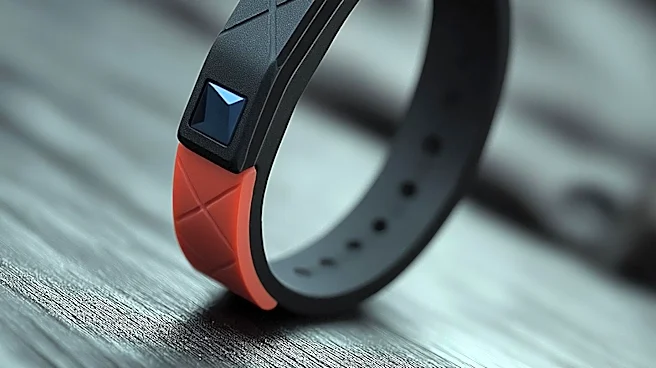
Fitbit devices utilize model-specific attachment systems for their straps, making them incompatible with conventional watch straps. Unlike standard watches that often use spring-bar connections, Fitbit's designs incorporate integrated latches, pins, or other
unique connectors that vary by model. This means that a standard watch strap, even if it matches the width, cannot be used as a replacement for a Fitbit strap. Consumers seeking replacement straps for their Fitbit devices must specifically look for straps designed and listed as compatible with their exact Fitbit model. Holben's, a retailer specializing in conventional watch straps, does not currently stock replacement straps specifically for Fitbit devices due to these proprietary attachment mechanisms. This situation highlights a common challenge for consumers of specialized wearable technology, where accessories are often brand and model-locked.
Why It's Important?
This incompatibility has significant implications for Fitbit users, limiting their options for strap replacement and customization. Unlike traditional watches where a wide array of third-party straps can be used, Fitbit users are restricted to either official Fitbit accessories or third-party products specifically engineered for their particular model. This can lead to higher costs for replacement straps and potentially fewer aesthetic choices. For the broader wearable technology market, this practice by manufacturers like Fitbit can be seen as a strategy to maintain control over their accessory ecosystem, potentially driving revenue from proprietary parts. It also impacts third-party accessory manufacturers, requiring them to invest in specific tooling and design for each Fitbit model rather than producing more universally compatible products. This situation underscores a trend in consumer electronics where proprietary designs can create vendor lock-in and influence consumer purchasing decisions for accessories.
What's Next?
Consumers needing replacement Fitbit straps will continue to be directed towards purchasing model-specific accessories, either directly from Fitbit or from third-party manufacturers that produce compatible straps. It is unlikely that Fitbit will transition to a universal strap attachment system in the near future, given the established design philosophy across its product lines. This means that the market for Fitbit accessories will remain segmented by device model. Retailers like Holben's will likely continue to focus on conventional watch straps, while specialized accessory providers will cater to the unique requirements of Fitbit and other smartwatches that do not accept standard straps. Users of other smartwatches, such as some Garmin and Samsung Galaxy models, may find more flexibility as some of these devices are designed to accept conventional watch straps.
Beyond the Headlines
The proprietary nature of Fitbit's strap attachments reflects a broader industry trend in consumer electronics where companies often design products with unique interfaces or components to create a closed ecosystem. This approach can ensure product integrity and user experience, as accessories are specifically designed to work seamlessly with the main device. However, it also raises questions about consumer choice, repairability, and environmental impact. By limiting interchangeability, companies can control the quality and safety of accessories, but they also restrict consumers' ability to repair or customize their devices with readily available, often more affordable, generic parts. This practice contributes to the 'right to repair' debate, where advocates argue for greater interoperability and access to parts to extend product lifespans and reduce electronic waste. The design choice also influences the aftermarket for accessories, creating a niche market for specialized manufacturers.