






What's Happening?
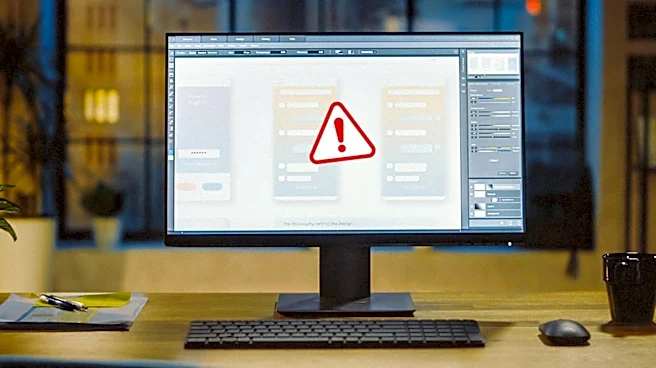
Cursor, a software platform, has fully resolved an issue that prevented bot computer screens, browsers, and desktops from starting since November 24. The problem, which rendered the Cursor application unusable for affected users, was traced back to an automatic
update. This update inadvertently moved some bots' computers onto a 'broken snapshot,' according to a Cursor staff member, FarhanZ. On this faulty snapshot, the desktop startup check failed, leading to the non-initiation of VNC, noVNC, and the window manager, even though the shell and files remained functional. The resolution involved users updating their bot's computer through the application's settings, despite an initial error message suggesting that updating would not help. The fix was confirmed on November 27, with affected systems, particularly those running Windows 10/11, now operating as expected, including screenshot, browser, and desktop functionalities.
Why It's Important?
This incident highlights the critical impact of software updates on operational continuity, particularly for platforms that rely on automated processes and bot functionalities. For businesses and individual users dependent on Cursor for their daily operations, the three-day outage represented a significant disruption, leading to lost productivity and potential financial implications. The situation underscores the necessity for robust testing and deployment protocols for automatic updates to prevent such widespread service interruptions. Furthermore, the initial misleading error message regarding updates points to a need for clearer communication and diagnostic tools within software applications, ensuring users receive accurate guidance during troubleshooting. The swift resolution, once the root cause was identified, demonstrates the importance of responsive technical support in mitigating the effects of software glitches.
What's Next?
Moving forward, Cursor may need to review its automatic update deployment strategy to prevent similar incidents. This could involve implementing more rigorous pre-release testing on diverse system configurations or introducing a phased rollout approach for updates. Additionally, the feedback regarding the misleading error message suggests an opportunity to enhance user-facing diagnostic information and support documentation. Users will likely expect improved transparency and communication during future technical issues. For the affected users, the immediate next step is to ensure their systems are fully updated and functioning correctly. The incident may also prompt other software providers to re-evaluate their own update mechanisms and user support protocols to avoid similar service disruptions.
Beyond the Headlines
The Cursor incident touches upon broader themes in the software industry concerning the balance between rapid development and system stability. The convenience of automatic updates, while generally beneficial for security and feature enhancements, carries inherent risks if not managed meticulously. This event could serve as a case study for the importance of 'fail-safe' mechanisms in software deployment, where updates are designed to minimize the impact of unforeseen bugs. It also raises questions about the responsibility of software providers to not only fix issues but also to compensate users for significant downtime, especially when it impacts professional productivity. The reliance on automated systems and bots in various industries means that even minor software glitches can have cascading effects, emphasizing the need for resilient and well-supported technological infrastructures.