






What's Happening?
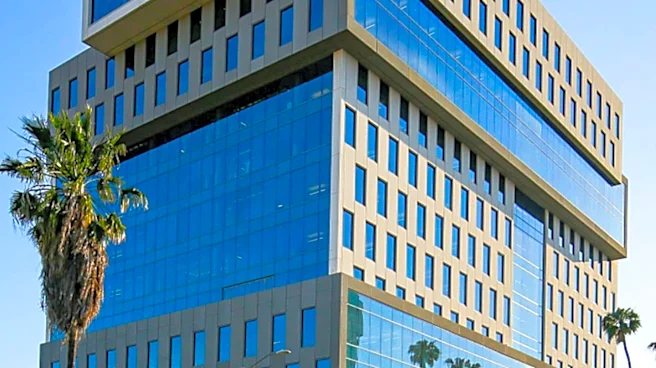
In Israel, the office market is experiencing a significant shift as defense technology companies replace traditional high-tech firms as the primary drivers of demand. According to data from Colliers Israel, the amount of office space leased by defense companies increased
by 32% in the first half of 2026, reaching over 140,000 square meters. This growth is attributed to the expansion of major defense firms like Rafael, Elbit, and Israel Aerospace Industries, alongside numerous startups developing defense solutions. The trend is largely driven by global geopolitical tensions and increased defense budgets, which have led to a surge in demand for office space by defense-related companies. This shift marks a departure from the previous dominance of high-tech companies, which have faced volatility due to layoffs, budget cuts, and the adoption of hybrid work models.
Why It's Important?
The rise of defense technology firms as key players in Israel's office market reflects broader geopolitical and economic trends. As global conflicts and defense spending increase, these companies are becoming more stable and significant tenants, investing heavily in infrastructure and long-term leases. This shift could have lasting impacts on Israel's economy, potentially leading to increased job creation and technological advancements in the defense sector. Additionally, the decline of traditional high-tech firms in the office market may signal a realignment of Israel's economic priorities, with potential implications for employment patterns and urban development. The growing presence of defense firms in urban centers like Tel Aviv also highlights the strategic importance of attracting talent and resources to support national security objectives.
What's Next?
As defense technology firms continue to expand, they are likely to seek additional office space, further solidifying their role in the commercial real estate market. This trend may prompt traditional high-tech companies to reassess their strategies and adapt to the changing landscape. Urban areas, particularly in Tel Aviv and its surroundings, may see increased competition for prime office locations, potentially driving up rental prices and influencing urban planning decisions. The continued growth of the defense sector could also attract more international investment and partnerships, enhancing Israel's position as a leader in defense technology innovation.
Beyond the Headlines
The shift towards defense technology in Israel's office market raises questions about the long-term sustainability of this trend and its impact on the broader economy. While defense firms provide stability and growth, reliance on this sector could expose the economy to risks associated with geopolitical fluctuations. Additionally, the focus on defense technology may influence educational and workforce development priorities, potentially leading to a greater emphasis on STEM fields related to defense and cybersecurity. This realignment could have cultural and societal implications, shaping the future of Israel's innovation ecosystem.