



What's Happening?
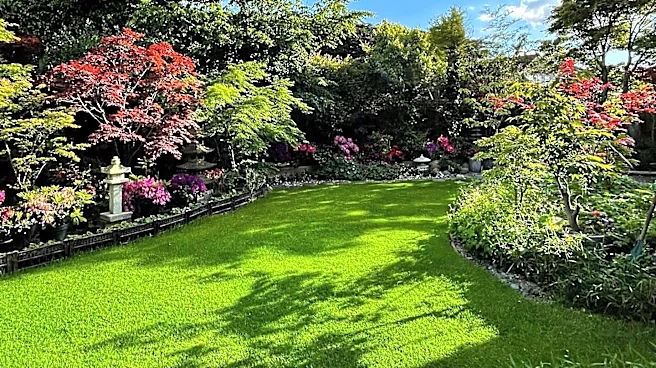
As climate change continues to impact weather patterns, gardening experts are emphasizing the importance of creating climate-resilient gardens. These gardens are designed to withstand extreme weather conditions such as droughts and floods. Key strategies
include using native plants, reducing hardscaping, and implementing layered planting techniques. Experts like Katie Dubow and Kevin Lenhart highlight the benefits of precision gardening, which uses data-driven approaches to optimize plant health and resource use. The trend towards climate-resilient gardening is gaining traction as individuals seek sustainable and environmentally friendly landscaping solutions.
Why It's Important?
The push for climate-resilient gardens reflects a broader societal shift towards sustainability and environmental responsibility. As climate change poses increasing challenges, these gardens offer a practical solution for individuals to contribute to ecological well-being. They also provide a model for urban planning and landscape design that prioritizes resilience and biodiversity. The adoption of these practices can lead to reduced water usage, improved soil health, and enhanced habitats for wildlife, aligning with global efforts to combat climate change.