






What's Happening?
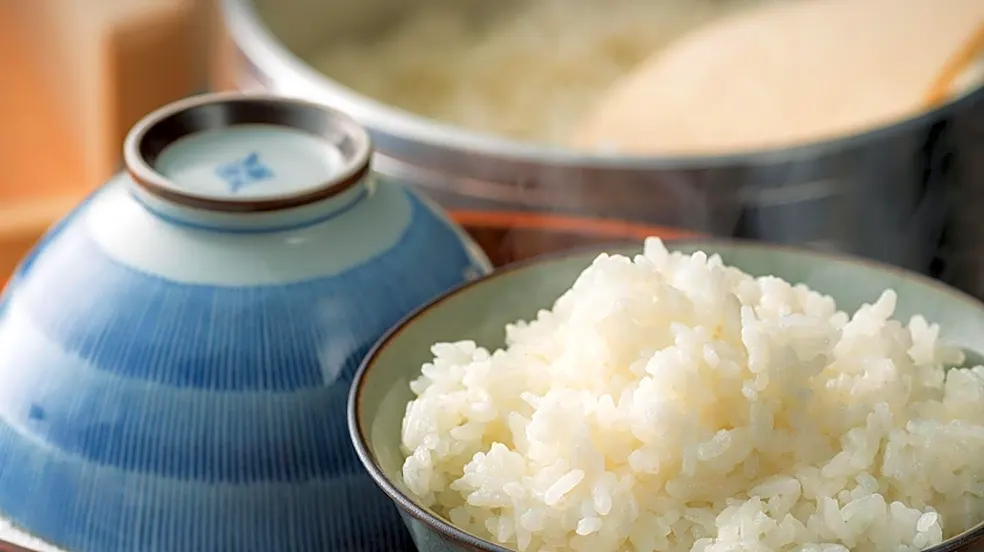
A cooking experience in a Tokyo home is offering participants the chance to prepare and savor A5 Iga Wagyu Sukiyaki, accompanied by premium Koshihikari rice. The rice is cooked in a traditional donabe clay pot, enhancing its flavor and texture. The experience,
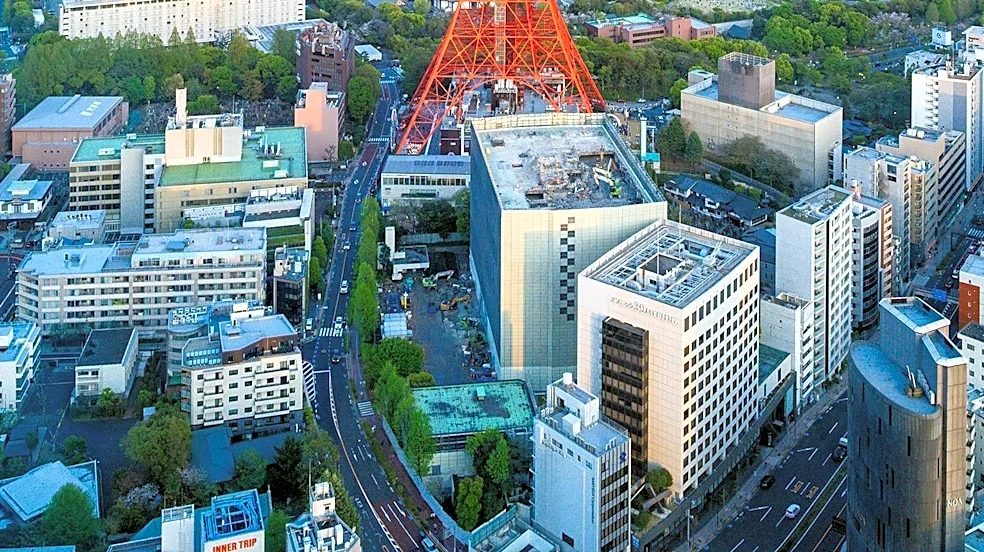
hosted by Demi and Toshi, includes a welcome matcha and Japanese sweet, an introduction to Japanese dining etiquette and food culture, and a hands-on session for preparing the sukiyaki. Guests also receive a seasonal Japanese dessert, tea, coffee, and soft drinks. The hosts, one of whom studied under a former chef from Hilton Tokyo's Dynasty restaurant, aim to provide an authentic culinary and cultural immersion in a private home setting near Gakugei-Daigaku Station.
Why It's Important?
This culinary experience highlights the cultural significance of traditional Japanese cooking methods and ingredients, particularly premium Koshihikari rice and A5 Iga Wagyu. For international visitors, it offers a unique opportunity to engage directly with Japanese food traditions, moving beyond typical tourist experiences. The emphasis on hands-on learning and cultural exchange can foster a deeper appreciation for Japanese cuisine and hospitality. From an economic perspective, such niche tourism offerings contribute to the local economy by attracting visitors interested in authentic cultural experiences, potentially boosting local businesses and showcasing high-quality Japanese agricultural products like Koshihikari rice and Iga Wagyu beef. It also promotes cultural understanding and soft diplomacy through shared culinary practices.
What's Next?
The cooking experience is ongoing, with participants meeting at Gakugei-Daigaku Station. Future sessions will continue to offer the same menu and cultural immersion. The hosts plan to share digital photos from the experience with participants and provide a sukiyaki recipe and a small Japanese souvenir. The continued positive reviews from guests, highlighting the warm hospitality and interactive cooking, suggest that the experience will likely maintain its popularity. The hosts may explore expanding their offerings or accommodating more guests, given the demand for authentic cultural activities in Tokyo. The focus on premium ingredients like Koshihikari rice will likely remain a central draw for food enthusiasts.
Beyond the Headlines
Beyond the immediate culinary enjoyment, this experience subtly reinforces the value of traditional craftsmanship and local produce in a globalized world. The use of a donabe clay pot for cooking rice is not merely a technique but a nod to centuries of Japanese culinary heritage, emphasizing patience and precision. The selection of Koshihikari rice, renowned for its quality, underscores Japan's dedication to agricultural excellence. This type of immersive experience can also serve as a counter-narrative to fast-paced, mass-produced tourism, promoting a slower, more thoughtful engagement with local cultures. It highlights the importance of personal connection and storytelling in understanding a country's identity, with food acting as a powerful medium for cultural transmission.