



What's Happening?
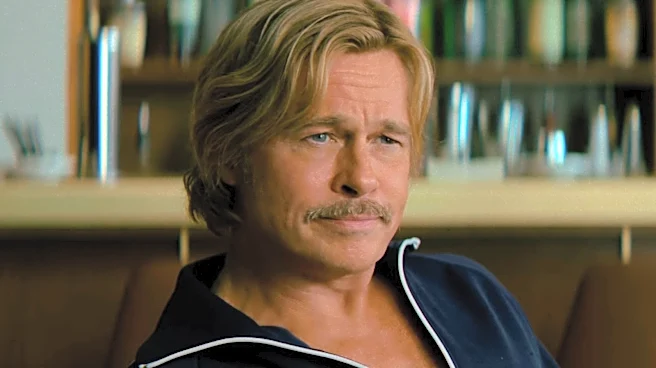
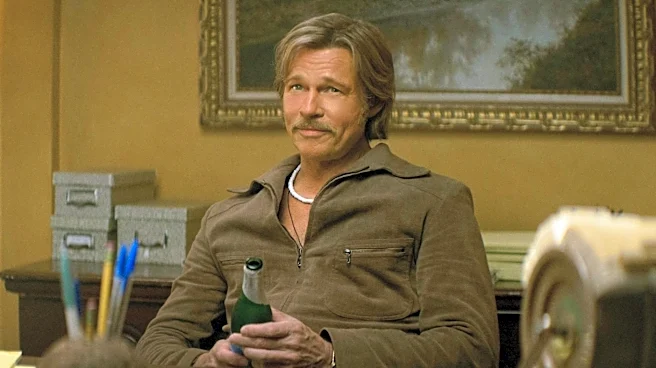
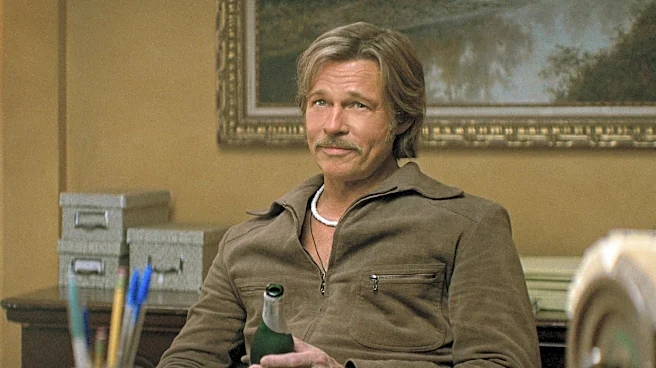
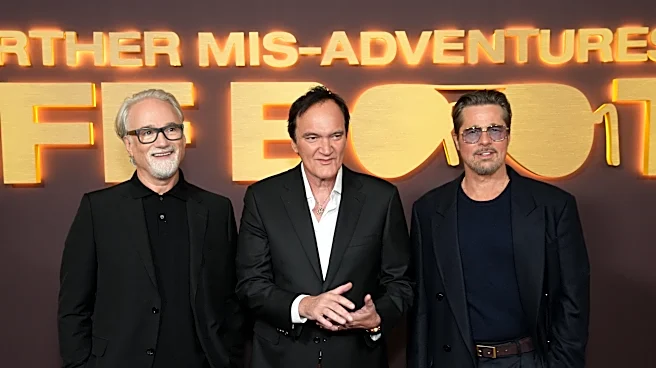
A new film starring Brad Pitt, 'The Further Mis-Adventures of Cliff Booth,' directed by David Fincher, has sparked controversy regarding its potential use of artificial intelligence. The debate arose after the film's second trailer showed a noticeable
blunder: drivers of a cart were depicted sitting backward, facing away from the reins and the horse. This error was highlighted by Scottish author and screenwriter Ewan Morrison on X, who criticized Fincher for the apparent oversight. Other social media users echoed these concerns, suggesting the movie is replete with generative AI, citing instances of changing faces mid-scene, unusual physics, and garbled fine lines. The film, a standalone sequel and spin-off to Quentin Tarantino's 'Once Upon a Time in Hollywood,' is set for a limited IMAX release before streaming exclusively on Netflix. Director David Fincher has previously commented on AI, acknowledging its power as a tool but expressing skepticism about its ability to replicate human artistic depth.
Why It's Important?
This controversy is significant as it taps into growing audience suspicion and concern regarding the use of AI in filmmaking. The perceived blunder in a high-profile film directed by an Oscar-nominee like David Fincher, and starring Brad Pitt, amplifies the debate about AI's role in creative industries. If widespread AI use is confirmed or strongly suspected in major productions, it could erode audience trust in cinematic realism and authenticity. This could lead to increased scrutiny of visual effects and production methods, potentially influencing how studios approach AI integration in future projects. For filmmakers, the incident highlights the risks associated with AI, particularly if it leads to noticeable errors that detract from the viewing experience and draw criticism from both fans and industry professionals. The discussion also underscores the ongoing tension between technological advancement and artistic integrity in Hollywood.
What's Next?
The film, 'The Further Mis-Adventures of Cliff Booth,' is scheduled for a limited IMAX release for two weeks before becoming available exclusively on Netflix. As the film reaches a wider audience through streaming, further scrutiny of its visual elements and potential AI use is anticipated. Social media discussions and critical reviews will likely continue to focus on any perceived AI-related inconsistencies or errors. The director, David Fincher, has been contacted for comment, and his response, or lack thereof, could further shape public perception. The ongoing debate may prompt other filmmakers and studios to be more transparent about their use of AI or to implement stricter quality control measures to avoid similar controversies. The incident could also fuel broader industry conversations about ethical guidelines and best practices for AI integration in cinema.
Beyond the Headlines
The controversy surrounding 'The Further Mis-Adventures of Cliff Booth' extends beyond a simple production error, touching upon deeper ethical and cultural implications within the film industry. The audience's strong negative reaction to perceived AI use reflects a broader societal anxiety about artificial intelligence replacing human creativity and craftsmanship. This incident could serve as a cautionary tale, highlighting the potential for AI to undermine the perceived authenticity and artistic value of a film, even when directed by acclaimed figures. It also raises questions about the future of visual effects and the balance between efficiency gained through AI and the preservation of traditional filmmaking techniques. The debate may contribute to a growing demand for 'AI-free' assurances from filmmakers or lead to new industry standards for disclosing AI involvement, as audiences increasingly 'yearn for the old days of cine-realism,' as noted by Professor Colin Gardner.