







What's Happening?
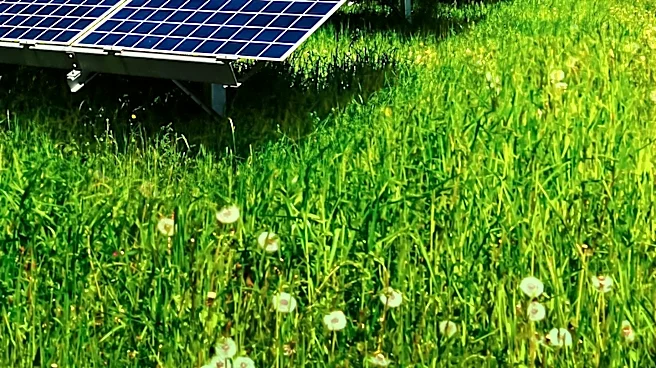
The integration of solar energy and agriculture, known as agrivoltaics, is gaining traction as a viable solution to land use conflicts in Spain. Traditionally, land has been seen as either for agriculture or energy production, but advancements in agrivoltaic technology
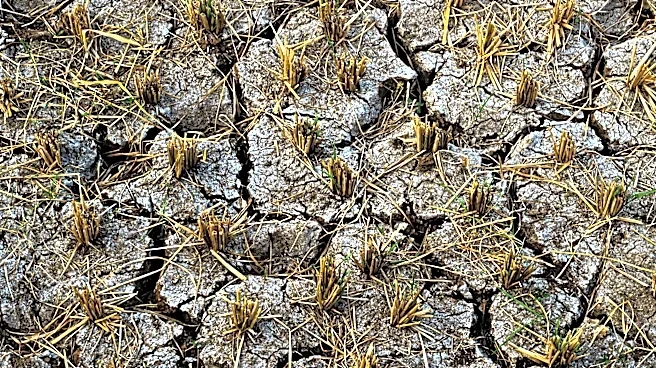
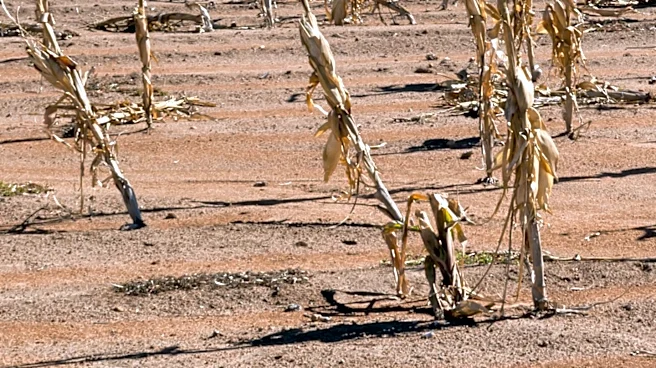
are challenging this notion. By installing solar panels at a height that allows for normal agricultural activities, these systems provide partial shade that can improve crop yields, reduce soil temperature, and decrease water evaporation. This approach is particularly beneficial in regions facing extreme heat and water stress due to climate change. Studies, such as one published in Nature Sustainability, demonstrate that agrivoltaic systems can enhance agricultural output, energy efficiency, and water management. In Spain, projects like the WineSolar initiative are exploring how to adapt solar panel shading to the needs of specific crops, such as vineyards.
Why It's Important?
Agrivoltaics presents a promising solution to the dual challenges of increasing renewable energy production and maintaining agricultural productivity. By allowing land to serve multiple purposes, this approach can help mitigate the impact of climate change on agriculture while contributing to energy transition goals. For farmers, agrivoltaics offers an additional income stream, potentially improving the economic viability of farms facing declining margins and price volatility. The integration of solar energy into agriculture also addresses criticisms of land use by demonstrating that energy and food production can coexist. As countries like Spain continue to expand their renewable energy capacity, agrivoltaics could play a crucial role in balancing environmental, economic, and social objectives.
Beyond the Headlines
The adoption of agrivoltaics could lead to significant shifts in agricultural practices and land management. By rethinking traditional land use, agrivoltaics challenges long-held beliefs about the separation of agriculture and energy production. This integration may also influence policy decisions, encouraging governments to support technologies that maximize land use efficiency. Additionally, agrivoltaics could serve as a model for other regions facing similar challenges, promoting sustainable development and resilience in the face of climate change. As the technology matures, further research and innovation will be essential to optimize its implementation and address potential barriers.