







What's Happening?
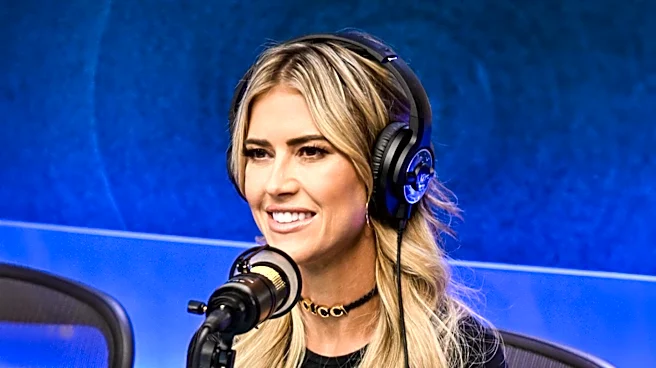
Clinical psychologist Dr. Becky Kennedy introduced a new parenting framework, dubbed 'pilot parenting,' during an appearance on the 'Call Her Daddy' podcast hosted by Alex Cooper. This approach challenges contemporary 'soft-parenting' trends by encouraging
parents to adopt a leadership role, similar to a pilot in a cockpit. Dr. Kennedy uses a flight analogy, explaining that children experiencing distress require a 'sturdy' pilot who can calmly acknowledge emotional turbulence while maintaining control. She emphasizes that parents should not act as panicked peers or passive bystanders but rather as confident leaders who set firm boundaries with empathy. The core idea is to listen to a child's emotional output without allowing those feelings to destabilize the household. This philosophy aims to foster self-trust and resilience in children, preparing them for adulthood by allowing them to experience and cope with difficult emotions rather than constantly being rescued from them. The concept has gained significant traction across social platforms, sparking widespread discussion among parents.
Why It's Important?
The 'pilot parenting' framework is important because it addresses a growing concern within U.S. society regarding modern parenting styles and their long-term impact on children's development. In an era where 'gentle parenting' and an intense focus on children's feelings have become prevalent, Dr. Kennedy's approach offers a counter-narrative that prioritizes resilience and self-sufficiency. By advocating for parents to be 'long-term greedy'—focusing on the adult a child will become rather than immediate problem-solving—it encourages a shift in perspective that could lead to more confident and capable young adults. This framework could influence parenting practices, potentially reducing instances of over-parenting or 'helicopter parenting' that some experts believe hinder a child's ability to navigate challenges independently. The widespread discussion generated by its feature on a popular podcast like 'Call Her Daddy' indicates a societal appetite for guidance on effective parenting strategies that balance emotional support with structured leadership, ultimately impacting the psychological well-being and coping mechanisms of future generations.
What's Next?
The viral spread of Dr. Kennedy's 'pilot parenting' concept suggests it will continue to be a prominent topic in parenting discussions and potentially influence child development literature and practices. Parents and educators may increasingly explore and adopt elements of this approach, leading to workshops, online courses, and further media coverage dedicated to its implementation. The emphasis on building self-trust and resilience through allowing children to experience and overcome difficulties could lead to a re-evaluation of current educational and disciplinary methods in homes and schools. Furthermore, the ongoing dialogue around 'soft-parenting' versus 'sturdy leadership' could prompt more research into the long-term outcomes of various parenting styles. As the concept gains more visibility, it may also inspire other experts to offer their perspectives, contributing to a richer and more nuanced understanding of effective child-rearing in the modern age. The 'Call Her Daddy' podcast's platform ensures continued public engagement with these ideas.
Beyond the Headlines
Beyond the immediate parenting advice, the 'pilot parenting' concept touches upon deeper societal implications regarding the cultivation of resilience and independence in a generation often perceived as overprotected. The idea that constantly shielding children from discomfort can hinder their development of crucial life skills, such as tolerating disappointment or jealousy, highlights a broader cultural debate about the balance between nurturing and challenging young individuals. This framework implicitly critiques a potential societal trend where immediate emotional gratification is prioritized over long-term character building. Ethically, it prompts questions about the responsibility of parents to prepare their children for the realities of an often-unforgiving world, rather than creating an idealized, sheltered environment. The popularity of this discussion on a major podcast also underscores the significant role of digital media in disseminating and shaping public discourse on complex social issues, influencing how millions of individuals approach fundamental aspects of family life and child development.