







What's Happening?
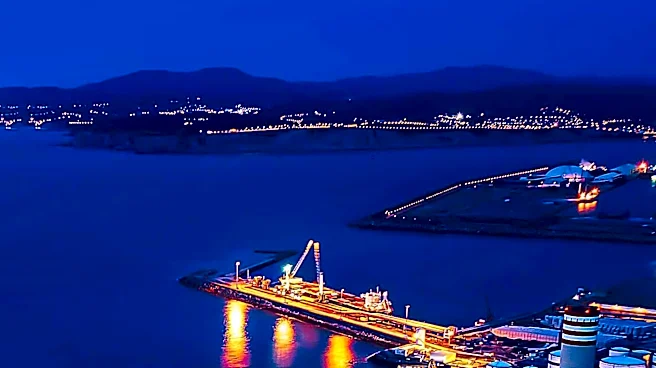
Chevron is exploring alternatives to the Strait of Hormuz by studying the Haditha-Baniyas pipeline, which would connect Iraq's oil network to Syria's Mediterranean coast. This initiative is part of a broader U.S. strategy to reduce reliance on the Strait of Hormuz,
a critical chokepoint for global oil supply. Treasury Secretary Scott Bessent has suggested that the strait could become 'irrelevant' within two years as more oil is transported through pipelines. The Haditha-Baniyas pipeline is one of several projects aimed at creating a network of alternatives to bypass the strait, which currently handles about 20% of global oil consumption.
Why It's Important?
The development of pipeline alternatives to the Strait of Hormuz represents a significant shift in global energy logistics and geopolitics. By reducing dependency on the strait, the U.S. and its allies aim to diminish Iran's leverage over global oil markets, enhancing energy security. For Chevron, involvement in such projects could provide strategic advantages and new business opportunities. The initiative also reflects broader efforts to secure energy supply chains and reduce military burdens associated with protecting the strait. This shift could have long-term implications for global oil prices and geopolitical stability.
Beyond the Headlines
While pipelines offer a strategic alternative, they are not without risks. Fixed infrastructure can be vulnerable to attacks, particularly in conflict-prone regions like Iraq and Syria. However, the potential benefits of reducing reliance on the Strait of Hormuz may outweigh these risks. For Chevron and other energy companies, participation in these projects could enhance their roles in shaping future energy infrastructure. The success of these initiatives will depend on geopolitical developments and the ability to secure and maintain the necessary infrastructure.