
What's Happening?
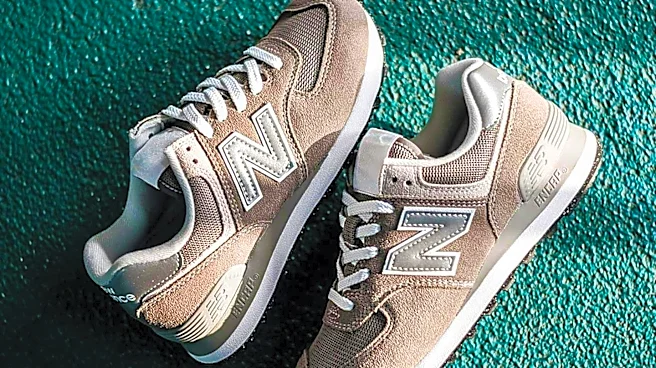
New Balance, the American sports equipment company, is strategically repositioning its brand to achieve a revenue target of $10 billion by 2026. The company reported $9.2 billion in revenue in 2025, marking
a 19% increase from the previous year and its fifth consecutive year of double-digit growth. This growth is attributed to a dual focus on athletic performance and fashion, appealing to younger consumers while maintaining its running heritage. CEO Joe Preston, who took over in 2018, has spearheaded this strategy, which includes partnerships with cultural figures like Rosalía and athletes such as Coco Gauff, Shohei Ohtani, and Josh Allen. The company has also increased prices by approximately 30% and expanded its network of company-owned stores, alongside investments in infrastructure like factory expansions in Maine and New Hampshire, and a new distribution center in Salt Lake City. Apparel sales surpassed $1 billion in 2025, further contributing to the company's expansion.
Why It's Important?
New Balance's aggressive growth strategy and target of $10 billion in revenue by 2026 signify a significant shift in the competitive landscape of the U.S. athletic footwear and apparel market. By successfully integrating athletic performance with fashion appeal, New Balance is challenging established giants like Nike and Adidas. This repositioning could lead to increased market share and influence within the industry, potentially impacting consumer trends and competitor strategies. The company's focus on attracting younger consumers through celebrity endorsements and lifestyle initiatives highlights a broader industry trend towards cultural relevance and personal expression in marketing. Furthermore, the expansion of its U.S. manufacturing and distribution infrastructure indicates a commitment to domestic operations, which could create jobs and stimulate local economies in regions like New England and Utah.
What's Next?
New Balance is set to continue its strategic initiatives to reach its $10 billion revenue goal by 2026. This will likely involve further high-profile collaborations with artists and athletes to enhance brand visibility and appeal to diverse consumer segments. The company is expected to continue investing in its apparel division, which has already surpassed $1 billion in sales, and further expand its global infrastructure, including its Asia Design Studio. The ongoing emphasis on selective distribution and company-owned stores suggests a continued focus on brand control and direct consumer engagement. The success of these efforts will determine if New Balance can sustain its rapid growth trajectory and solidify its position as a major player in the global sports equipment market.
Beyond the Headlines
New Balance's journey reflects a broader narrative of legacy brands adapting to evolving consumer preferences and market dynamics. Its ability to remain privately held and family-owned while competing with publicly traded giants offers a unique business model perspective. The company's emphasis on 'Made in USA' products, alongside its global manufacturing, highlights a complex interplay between national identity and international supply chains in the modern economy. The strategic use of cultural figures like Rosalía to bridge the gap between sports and fashion also underscores the increasing convergence of these industries, where brand identity is as much about lifestyle and cultural cachet as it is about athletic performance. This approach could set a precedent for other traditional brands seeking to rejuvenate their image and connect with new generations.