




What's Happening?
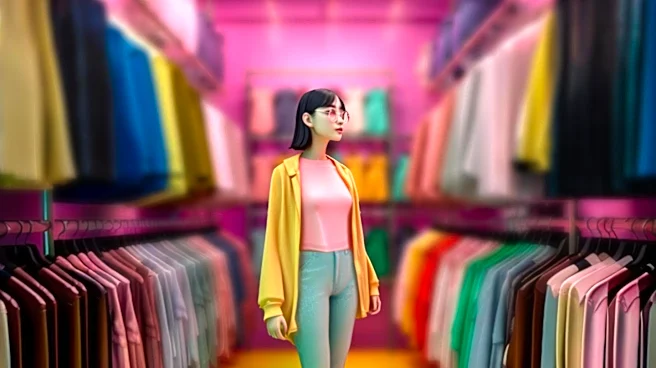
Tesco is implementing a new virtual try-on technology in the F&F clothing departments of its Sandhurst Extra store. This innovative system allows shoppers to virtually try on approximately 1,500 items of womenswear and menswear without physically entering
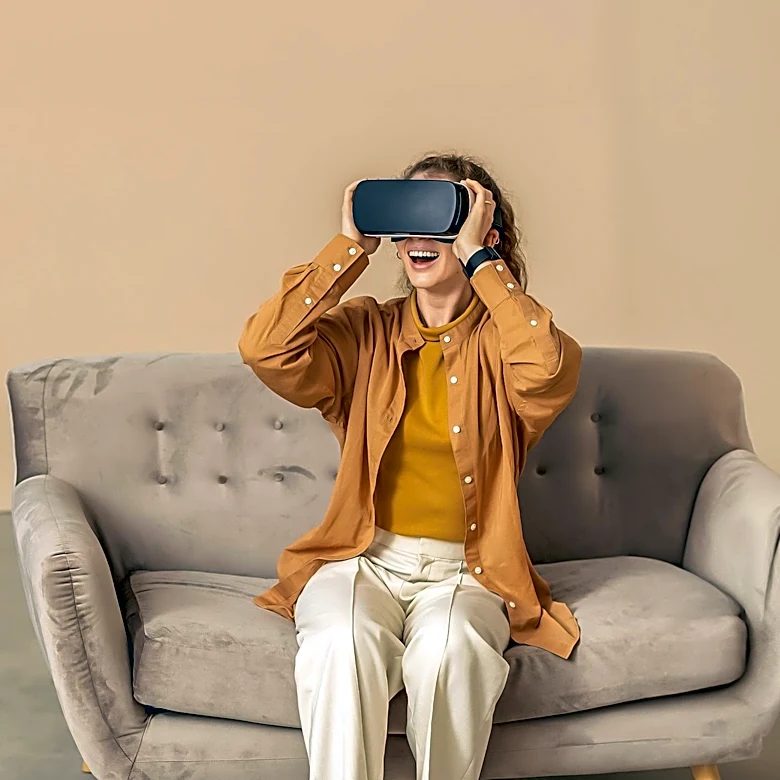
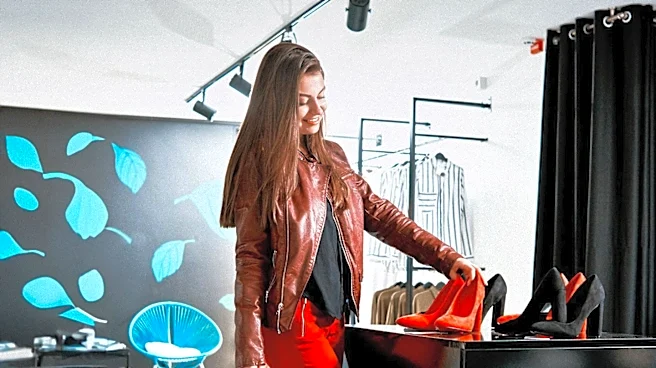
a changing room. Customers can either upload a photo of themselves to a digital try-on screen or select a digital model to visualize how clothes would look and fit in different sizes. This initiative is part of a broader revamp of the Sandhurst Extra site, which includes updated changing rooms, a dedicated service hub for easier checkouts and returns, an expanded in-store F&F range, and improved lighting and signage in the clothing department. The trial aims to enhance the shopping experience by helping customers find new styles and boost their confidence before making a purchase.
Why It's Important?
This technological advancement by Tesco signifies a shift in the retail industry towards integrating augmented reality and AI to improve customer engagement and satisfaction. For U.S. retailers, this development highlights a potential future trend in brick-and-mortar shopping, where virtual try-on solutions could become commonplace. The ability to visualize clothing on oneself without the inconvenience of traditional fitting rooms could reduce purchase hesitation and potentially lower return rates, benefiting businesses by streamlining operations and increasing sales efficiency. Consumers stand to gain from a more convenient and personalized shopping experience, which could lead to greater satisfaction and loyalty. The success of such trials could influence U.S. retail strategies, particularly in fast fashion and large department stores, as they seek to innovate and compete with online-only retailers.
What's Next?
Following the trial in the Sandhurst Extra store, Tesco will likely evaluate the effectiveness of the virtual try-on technology in terms of customer adoption, sales impact, and operational efficiency. If successful, the company may consider expanding this technology to other F&F clothing departments across its stores. The data gathered from this trial will be crucial in refining the technology and understanding consumer preferences for virtual fitting experiences. Other retailers, both in the UK and potentially in the U.S., will be closely observing the outcomes of this trial to assess the viability and potential benefits of implementing similar augmented reality solutions in their own physical stores. Further developments could include integrating more advanced AI for personalized styling recommendations based on virtual try-ons.
Beyond the Headlines
The introduction of virtual try-on technology in physical retail spaces raises deeper implications for the future of shopping and consumer behavior. It blurs the lines between online and in-store experiences, offering a hybrid model that combines the immediacy of physical shopping with the convenience of digital tools. This could lead to a redefinition of the role of the physical store, transforming it into a more interactive and experiential hub rather than just a transactional point. Ethically, the use of customer photos for virtual try-ons will necessitate clear privacy policies and data handling practices. Culturally, it could shift consumer expectations, making traditional fitting rooms seem outdated and less appealing. The long-term impact could be a more personalized and efficient retail landscape, driven by technological innovation and a deeper understanding of individual customer needs.