




What's Happening?
The tiny house movement is experiencing a surge in popularity across the U.S., driven by a growing demand for affordable, sustainable, and minimalist living solutions. These compact homes, typically under 1,000 square feet and sometimes as small as 300
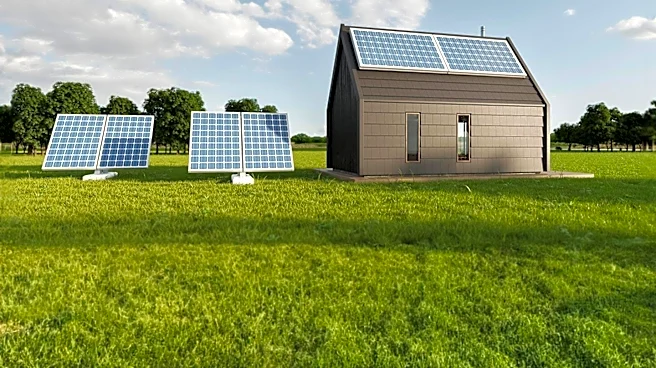
square feet, are designed to maximize space efficiency through open-concept layouts, multi-functional furniture, and smart storage solutions. Key features often include loft bedrooms, fold-down tables, and efficient kitchens and bathrooms. Many tiny homes also incorporate large windows for natural light and offer optional off-grid features like solar power or composting toilets, aligning with a focus on sustainability and reduced environmental impact. The movement encompasses various types, including tiny houses on wheels (THOWs), tiny houses on foundations (often classified as Accessory Dwelling Units or ADUs), cabin-style homes, A-frame designs, and modern minimalist structures. This trend reflects a broader shift towards intentional living and prioritizing quality over quantity in residential spaces.
Why It's Important?
The rise of the tiny house movement holds significant implications for U.S. housing markets and lifestyle trends. For individuals, it offers a more affordable alternative to traditional housing, addressing concerns about rising construction costs and housing accessibility. The emphasis on sustainability, with reduced energy consumption for heating, cooling, and lighting due to smaller footprints and efficient designs, contributes to a lower environmental impact, which is increasingly important to many consumers. This movement also promotes a minimalist lifestyle, encouraging residents to declutter and focus on essential living, potentially leading to reduced consumerism and a greater sense of financial freedom. For urban planning, tiny houses on foundations or as ADUs can provide flexible housing options, potentially easing housing shortages and offering diverse living arrangements within existing communities. The adaptability of tiny homes to various land types and their potential as rental income properties further highlights their economic significance.
What's Next?
The continued growth of the tiny house movement is likely to influence zoning regulations and building codes across the U.S. As more people embrace this lifestyle, there will be increased pressure on local governments to adapt existing ordinances to accommodate tiny homes, particularly those on foundations or as ADUs. This could lead to more standardized guidelines for their construction and placement, making them a more mainstream housing option. Furthermore, the market for specialized tiny home designs, multi-functional furniture, and sustainable building materials is expected to expand. The movement may also inspire broader architectural trends, with elements of compact, efficient design being integrated into larger homes. As the concept of intentional living gains traction, the tiny house movement could continue to reshape perceptions of homeownership and sustainable living in the coming years.
Beyond the Headlines
Beyond the immediate benefits of affordability and sustainability, the tiny house movement touches upon deeper societal and cultural shifts. It challenges conventional notions of the 'American Dream' by redefining what constitutes a desirable home, moving away from the emphasis on large square footage towards a focus on functionality, efficiency, and personal values. This shift can foster a greater sense of community, as smaller homes often encourage more outdoor living and interaction with neighbors. Ethically, the movement promotes responsible consumption and a reduced ecological footprint, aligning with growing environmental consciousness. Legally, the varying classifications of tiny homes (e.g., RVs vs. permanent structures) present ongoing challenges for regulation and integration into existing urban and rural landscapes. Culturally, it represents a desire for simplicity and a rejection of excessive materialism, reflecting a broader trend towards experiences over possessions and a more deliberate approach to daily life.