



What's Happening?
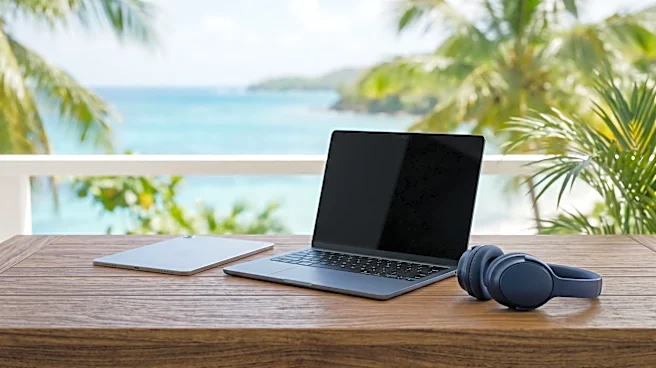
A growing trend in entrepreneurship focuses on home-based businesses that do not require physical inventory, thereby reducing startup costs and financial risk. This model allows individuals to leverage skills and software to launch ventures such as print-on-demand
e-commerce, specialized freelancing, and online instruction. Print-on-demand, for example, involves designing products that are only printed and shipped by a third-party partner after a customer places an order, eliminating the need for upfront stock or storage. Similarly, freelance niche services, digital product sales, online consulting, and virtual assistant services capitalize on existing skills and digital tools, requiring minimal capital investment. The shift towards these inventory-free models addresses a common barrier for new founders: the capital required for physical product inventory, which can often lead to unsold stock and financial strain. These approaches are highlighted as accessible small business ideas that combine low overhead costs with scalable long-term potential, making them ideal for individuals looking to start a business from home.
Why It's Important?
The rise of inventory-free home-based businesses is significant for the U.S. economy as it democratizes entrepreneurship, making it more accessible to a wider range of individuals. By removing the substantial financial barrier of inventory investment, these models enable more people to pursue business ownership, potentially fostering innovation and job creation. This trend is particularly impactful for those with limited capital, such as stay-at-home parents or individuals seeking flexible work arrangements, allowing them to contribute to the economy without significant personal financial risk. The emphasis on skill-based services and digital products also aligns with the evolving digital economy, promoting the development and utilization of specialized expertise. This shift can lead to a more resilient and diverse small business sector, as entrepreneurs can adapt more quickly to market changes without being burdened by physical stock. Furthermore, the reduced overhead associated with these businesses can translate into more competitive pricing for consumers and higher profit margins for business owners, stimulating economic activity at a grassroots level.
What's Next?
The trajectory for inventory-free home-based businesses suggests continued growth and diversification. As technology advances, particularly in areas like e-commerce platforms, digital design tools, and online payment systems, the ease and efficiency of launching and managing such ventures will likely improve further. We can anticipate an expansion in the types of services and digital products offered, driven by evolving consumer demands and technological capabilities. There will likely be an increased focus on specialized niches within freelancing and online instruction, as individuals seek to leverage unique skills for higher earning potential. Additionally, the development of more robust support ecosystems, including platforms for print-on-demand, digital product marketplaces, and freelance networks, will further facilitate the growth of these businesses. Regulatory frameworks may also evolve to better accommodate the unique operational aspects of home-based, inventory-free enterprises, potentially streamlining licensing and compliance processes. The emphasis will remain on identifying market demand, leveraging existing skills, and utilizing lean tools to scale operations effectively.
Beyond the Headlines
Beyond the immediate economic benefits, the proliferation of inventory-free home-based businesses has deeper societal and cultural implications. This model fosters greater work-life integration and flexibility, which can be particularly beneficial for caregivers and individuals with specific lifestyle needs, challenging traditional employment structures. It promotes a culture of self-reliance and continuous learning, as entrepreneurs must constantly adapt their skills and offerings to remain competitive in dynamic digital markets. The low barrier to entry also encourages experimentation and innovation, allowing individuals to test business ideas with minimal financial commitment, potentially leading to the discovery of new market opportunities and service models. Furthermore, the focus on digital products and services inherently reduces the environmental footprint associated with physical goods production and distribution. This shift could also lead to a re-evaluation of what constitutes 'work' and 'business,' emphasizing intellectual capital and digital craftsmanship over physical assets and traditional manufacturing, thereby reshaping the future of work in the U.S.