




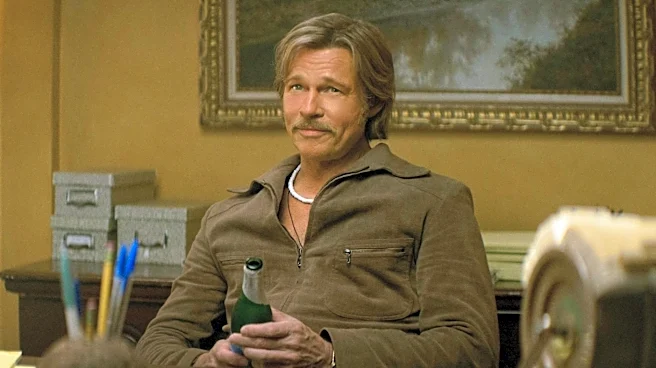
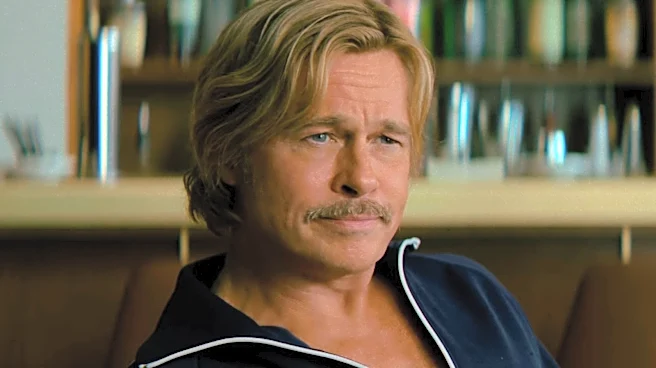
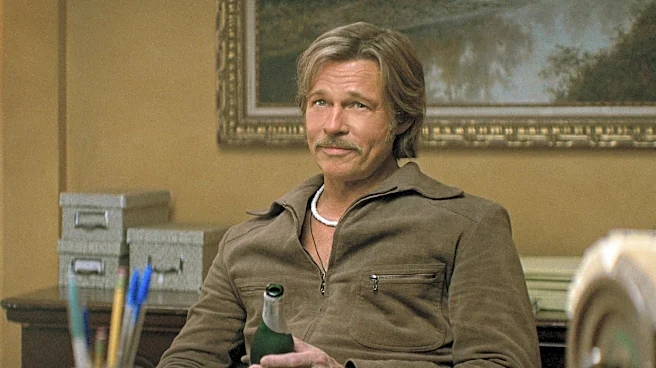
What's Happening?
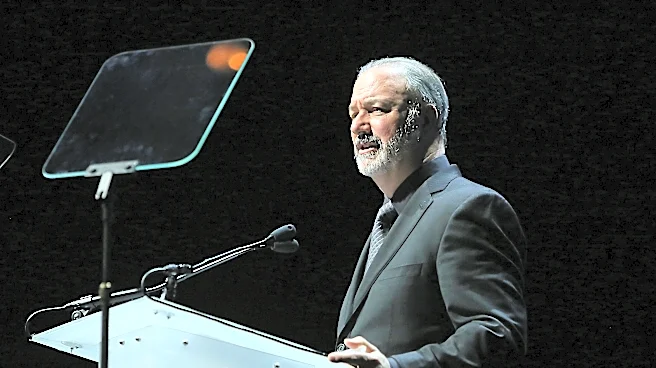
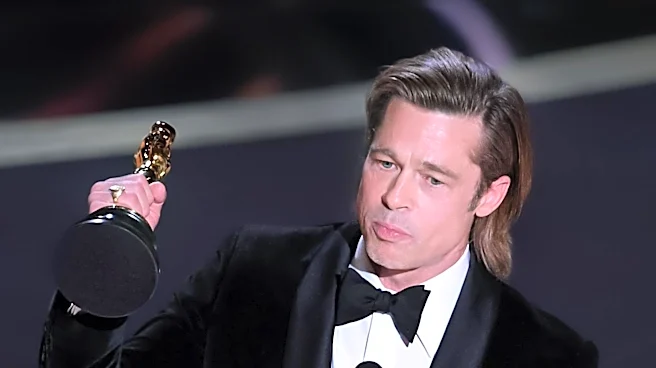
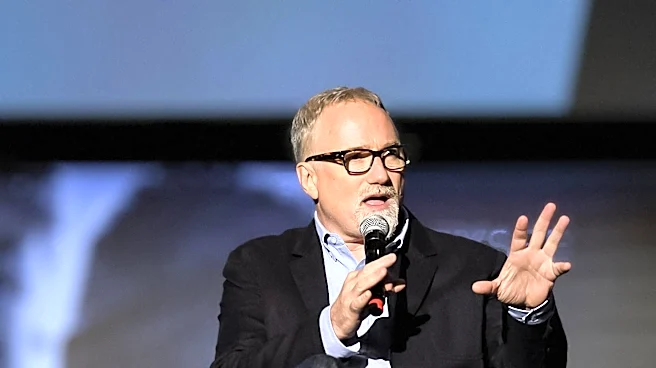
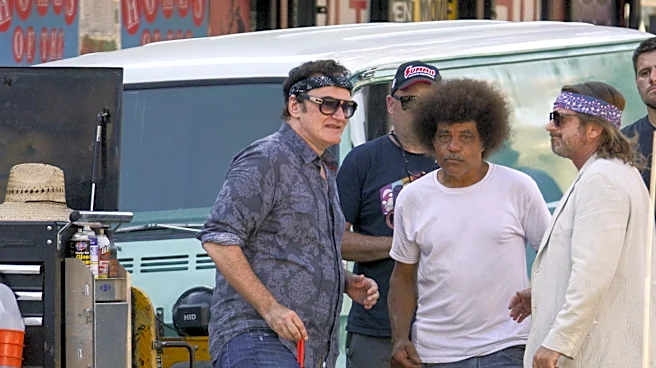
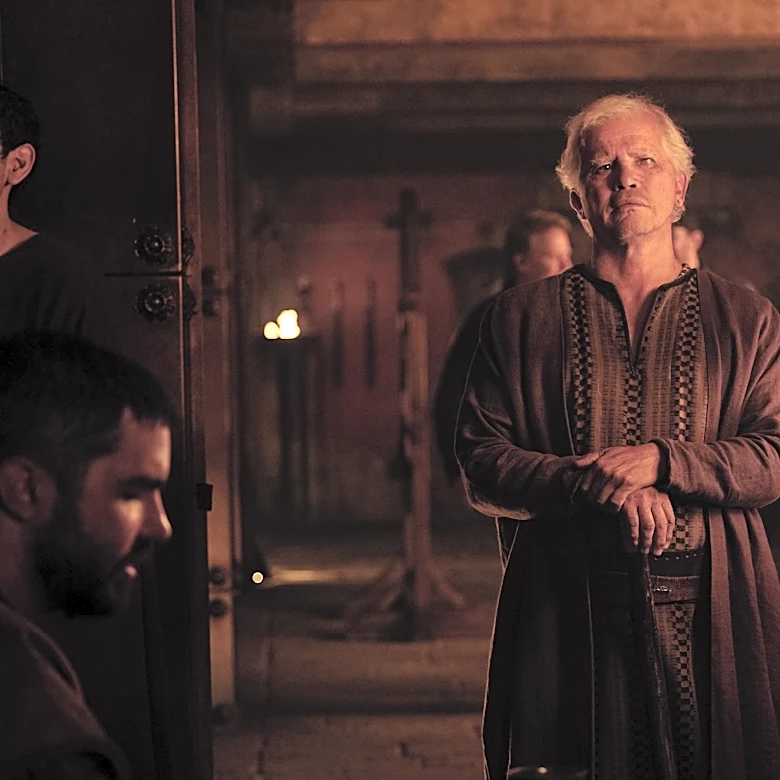
Director David Fincher is facing significant criticism and backlash from social media users and critics for his use of generative artificial intelligence in his upcoming film, 'The Further Mis-Adventures of Cliff Booth.' The film, a sequel featuring Brad
Pitt's character from 'Once Upon a Time in Hollywood,' is set to be released in IMAX on Thanksgiving. Fincher, in an interview with the Los Angeles Times, defended his decision, stating he is 'not a Luddite' and does not 'fear the unknown.' He questioned the resistance to new technologies in filmmaking, comparing it to the long history of painting versus the relatively short history of cinema. Despite his defense, reviews, such as one from Next Best Picture, have described the AI's use as 'noticeably distracting' and 'nothing but an eyesore.' Social media users have expressed strong disapproval, calling Fincher 'washed' and lamenting what they perceive as a decline in his directorial integrity, with some even vowing to boycott the movie.
Why It's Important?
This situation highlights a growing tension within the entertainment industry regarding the adoption of artificial intelligence in creative processes. The strong negative reaction from both critics and the public to Fincher's use of AI in 'The Further Mis-Adventures of Cliff Booth' indicates a significant concern about its impact on artistic quality and authenticity. For Hollywood, this backlash could influence how other directors and studios approach integrating AI into their productions, potentially leading to more cautious or transparent use. The debate also touches upon broader questions about the future of filmmaking, the role of human creativity versus technological assistance, and audience expectations. If audiences consistently reject AI-generated content that is perceived as subpar or distracting, it could slow the widespread adoption of such tools in mainstream cinema, forcing studios to reconsider their strategies for technological integration.
What's Next?
The immediate next step will be the release of 'The Further Mis-Adventures of Cliff Booth' in IMAX on Thanksgiving, followed by its Netflix release on December 23. The public's reception and box office performance will be closely watched, as it could serve as a barometer for audience acceptance of AI in major studio films. Further reviews and social media discussions are expected to intensify once the film is widely available, potentially shaping public opinion and industry practices. Other filmmakers and studios will likely observe the fallout from Fincher's experience, which could lead to more public discourse on AI ethics in filmmaking, potential industry guidelines, or even union negotiations regarding AI's role in production. The ongoing debate may also spur technological advancements aimed at making AI integration more seamless and less noticeable, addressing the 'eyesore' criticisms.
Beyond the Headlines
The controversy surrounding David Fincher's use of AI in his new film delves into deeper ethical and philosophical questions about art, authenticity, and technological progress. It challenges the traditional notions of authorship and creative control in filmmaking, prompting a re-evaluation of what constitutes 'art' when machines contribute to its creation. The strong emotional response from fans, who feel 'gutted' or 'disown' their idol, underscores a cultural anxiety about AI potentially diluting human artistic expression or leading to creative laziness. This incident could be a precursor to broader industry-wide discussions about intellectual property rights for AI-generated content, the potential displacement of human artists, and the long-term impact on the aesthetic quality of cinema. It also highlights a generational divide in how technology is perceived within creative fields, with some embracing innovation and others fearing its disruptive potential.