



What's Happening?
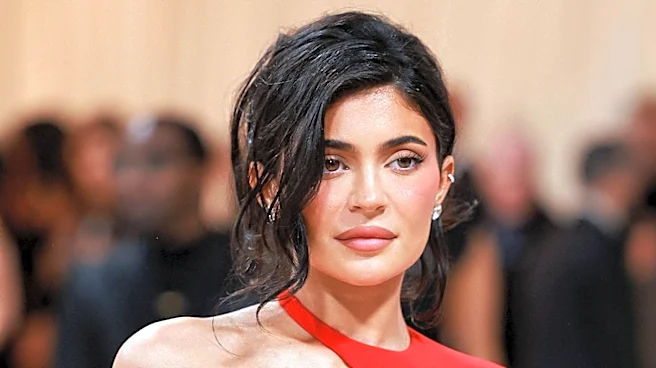
Kylie Jenner has drawn criticism for her choice of attire at the 17th annual Governors Awards on November 15. She wore a vintage champagne-gold silk Roberto Cavalli gown from the designer's Fall/Winter 2006–2007 collection. However, the dress was significantly
altered from its original runway design. The most notable change involved eliminating a dramatic low-back keyhole detail that, in the original, revealed a crystal-embellished G-string. This alteration resulted in a more covered-up silhouette. Fashion enthusiasts and fans have expressed disappointment, arguing that the modifications compromised the archival piece's original design and that the fit appeared strained, with comments suggesting the seams looked as if they were about to burst. Jenner completed her look with silver closed-toe heels and her signature long, loose dark waves.
Why It's Important?
This incident highlights a recurring debate within the fashion industry and among the public regarding the treatment of vintage and archival designer pieces, especially when worn by high-profile figures. The backlash against Jenner underscores a growing appreciation for the integrity of historical fashion and the original vision of designers. When celebrities alter such pieces, it can be perceived as disrespectful to the garment's heritage and artistic value. This event also reflects broader societal discussions about body image and celebrity culture, as some critics pointed to the dress's fit as an issue, suggesting it was not appropriately sized for Jenner's figure. The controversy could influence how other public figures approach wearing vintage fashion, potentially encouraging more careful consideration of alterations or a preference for pieces that require minimal modification.
What's Next?
The immediate aftermath will likely involve continued discussion on social media platforms and fashion blogs regarding the ethics of altering vintage designer clothing. While Kylie Jenner herself has not publicly addressed the criticism, the incident may prompt her and her styling team to be more cautious in their selection and modification of archival pieces for future public appearances. This event could also spark further conversations within the fashion industry about preserving the authenticity of vintage garments versus adapting them for contemporary wear and individual body types. Designers and fashion houses might also weigh in on the matter, potentially issuing statements or setting guidelines for the use of their archival collections by celebrities.
Beyond the Headlines
The controversy surrounding Kylie Jenner's altered vintage gown touches upon deeper cultural and ethical considerations within the fashion world. It raises questions about ownership and stewardship of fashion history: once a piece is sold, does the owner have full liberty to alter it, or does its historical and artistic significance impose certain responsibilities? This incident also reflects the tension between celebrity influence and fashion preservation. Celebrities often drive trends and bring attention to vintage pieces, but their modifications can inadvertently set precedents that challenge the integrity of archival fashion. Furthermore, it highlights the evolving role of social media in shaping public opinion on fashion choices, where every detail is scrutinized, and collective judgment can quickly form, impacting a celebrity's public image and potentially influencing broader consumer attitudes towards sustainability and vintage consumption.