






What's Happening?
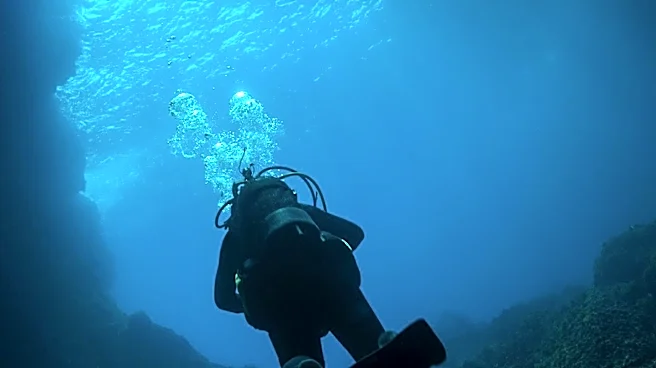
In Japan, the tradition of Ama diving, practiced by women known as 'women of the sea,' continues to be a unique cultural heritage. These divers, primarily located along the Ise-Shima coastline, dive without oxygen tanks to harvest seafood such as abalone
and sea urchins. The practice, which dates back thousands of years, relies on breath-holding and an intimate knowledge of the ocean. Despite its rich history, the number of active Ama divers is declining, with many practitioners now in their 70s and 80s. The tradition faces challenges from an aging workforce and changing ocean conditions, which affect the availability of marine resources.
Why It's Important?
The Ama divers represent a significant aspect of Japan's cultural and historical identity, showcasing traditional sustainable fishing practices. The decline in the number of divers poses a threat to this cultural heritage, as younger generations are less inclined to take up the physically demanding and relatively low-paying work. The practice also highlights broader environmental issues, as changes in marine ecosystems impact the availability of resources that the Ama depend on. Preserving this tradition is important not only for cultural reasons but also for maintaining biodiversity and sustainable fishing practices in the region.
Beyond the Headlines
The decline of Ama diving raises questions about the sustainability of traditional practices in the face of modern economic and environmental pressures. Efforts to preserve the tradition could involve integrating modern technology with traditional methods, promoting cultural tourism, and raising awareness about the importance of sustainable fishing. Additionally, the Ama's knowledge of marine ecosystems could be valuable in broader environmental conservation efforts, offering insights into sustainable resource management.