






What's Happening?
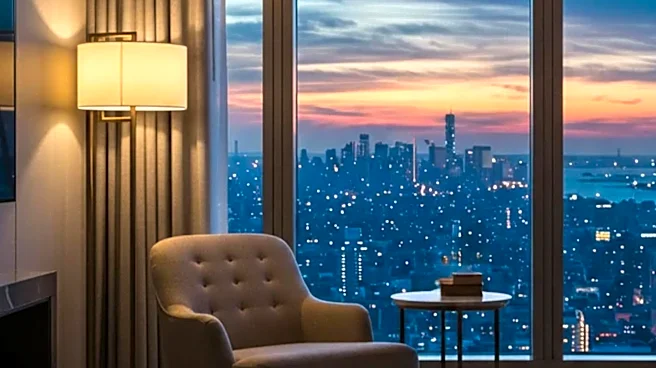
Staycations are being highlighted as a significant trend in tourism consumption following the COVID-19 pandemic. This concept provides city residents with commercial opportunities to book overnight stays in luxury hotels within their own urban areas.
In Manila, for instance, staycations are actively promoted through aparthotel-style accommodations. These offerings typically include family rooms, air-conditioning, kitchenettes, balconies, and private bathrooms, catering to a desire for comfort and convenience close to home. The popularity of this trend is further underscored by events such as 'Staycation 5 Premiere,' which suggests public engagement and interest in staycation experiences. Additionally, budget-friendly staycation options are available in Manila, providing comfortable rooms equipped with essential amenities like air-conditioning, private bathrooms, dining tables, and microwaves, making the experience accessible to a wider audience. The idea extends to transforming personal spaces, with suggestions like creating a 'cozy staycation oasis' at home.
Why It's Important?
The rise of staycations signifies a notable shift in consumer behavior within the tourism and hospitality sectors, particularly in the U.S. This trend offers a lifeline to urban luxury hotels and aparthotels that may have faced reduced international and business travel post-pandemic. By targeting local populations, these establishments can tap into a new market segment seeking leisure and relaxation without the complexities of long-distance travel. This can lead to increased revenue for hotels, support local economies through spending on dining and entertainment, and potentially foster a stronger sense of community engagement as residents explore their own cities. For consumers, staycations provide an accessible and often more affordable alternative to traditional vacations, allowing for rejuvenation and exploration without significant travel costs or time commitments. The emphasis on comfort and amenities within these local accommodations also caters to a desire for quality experiences close to home, benefiting both the hospitality industry and urban dwellers.
What's Next?
The staycation trend is likely to continue evolving, with hotels and hospitality providers expected to further tailor their offerings to attract local clientele. This could include developing more specialized staycation packages, incorporating unique local experiences, and enhancing in-room amenities to create a more immersive and luxurious 'home away from home' feel. We may see an increase in partnerships between hotels and local businesses, such as restaurants, spas, and entertainment venues, to offer comprehensive staycation bundles. Marketing efforts will likely focus on promoting the convenience, affordability, and unique local charm of staycation options. Furthermore, as the concept gains traction, there could be a rise in demand for diverse accommodation types, from boutique hotels to serviced apartments, all catering to the staycation market. Events like 'Staycation 5 Premiere' suggest a growing public interest that could lead to more organized promotions and community-focused initiatives around local tourism.
Beyond the Headlines
The staycation phenomenon reflects deeper societal shifts, including a re-evaluation of leisure and travel in a post-pandemic world. It highlights a growing appreciation for local environments and a desire for simpler, more accessible forms of relaxation. This trend could foster a stronger sense of local identity and pride, encouraging residents to discover and support businesses within their own communities. Environmentally, staycations offer a more sustainable travel option by reducing carbon footprints associated with long-distance transportation. Ethically, it promotes local economic resilience by directing consumer spending towards local businesses. Culturally, it encourages a deeper engagement with one's immediate surroundings, potentially leading to a rediscovery of local attractions and hidden gems. This shift could also influence urban planning, with cities potentially investing more in local amenities and attractions to cater to a population increasingly interested in local leisure opportunities.