





What's Happening?
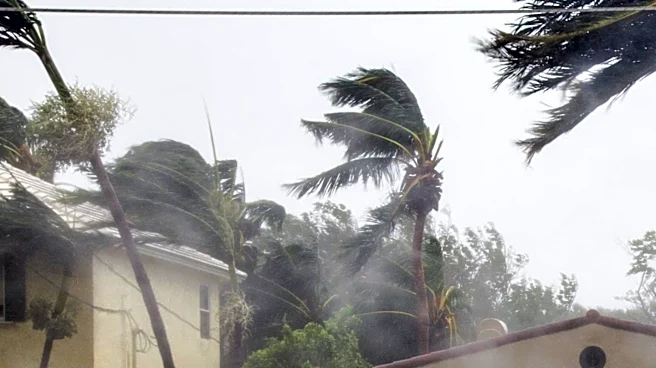
Hawaii's visitor industry experienced a notable downturn in September, primarily due to the disruptive effects of hurricanes, particularly Hurricane Lowell. According to data released by the state Department of Business, Economic Development and Tourism
(DBEDT), statewide visitor arrivals decreased by 3.6% to 672,990, and visitor spending fell by 9% to $1.41 billion. The island of Kauai bore the brunt of Hurricane Lowell, experiencing a 35% plunge in visitor arrivals and a 44.3% drop in spending due to widespread flooding, infrastructure damage, and travel disruptions. Later in September, Hurricane Nolo further complicated recovery efforts by bringing heavy rains. In response, the Hawaii Tourism Authority (HTA) is allocating $2.5 million in emergency funding for a Kauai-focused tourism recovery campaign, aiming to stimulate bookings starting in mid-November. The campaign will emphasize that Kauai is open for business and ready to welcome visitors, countering misinformation about the island's condition.
Why It's Important?
The decline in Hawaii's tourism sector, particularly on Kauai, has significant economic implications for the state. Tourism is a cornerstone of Hawaii's economy, supporting numerous businesses and jobs. The sharp drop in visitor arrivals and spending directly impacts local businesses, from hotels and restaurants to tour operators and retail shops, leading to potential revenue losses and job insecurity. The HTA's rapid deployment of a recovery campaign underscores the urgency of restoring visitor confidence and economic activity. Misinformation about the extent of damage and recovery efforts can deter potential visitors, prolonging the economic hardship. A successful recovery campaign is vital not only for the tourism industry but also for the broader economic stability and well-being of Kauai's communities, which rely heavily on visitor spending.
What's Next?
The Hawaii Tourism Authority's $2.5 million recovery campaign for Kauai is set to launch, focusing on partnerships with media outlets and travel platforms like Hawaii News Now, Expedia, and Costco Travel. The campaign will direct consumers to a new GoHawaii.com/Kauai landing page, providing updated information on open businesses, events, and visitor resources. HTA officials hope this initiative will boost bookings and restore visitor confidence as the peak holiday travel season approaches. While September saw a setback, DBEDT Research Director Jennifer Chun noted that underlying indicators like hotel occupancy and average daily room rates remained positive, and airline schedules suggest a stronger outlook for October, November, and December. The success of the recovery efforts will depend on effectively communicating Kauai's readiness to welcome tourists and overcoming lingering perceptions of storm damage.
Beyond the Headlines
Beyond the immediate economic impact, the hurricanes and subsequent tourism downturn highlight the vulnerability of island economies to natural disasters and the critical need for robust disaster preparedness and recovery strategies. The incident also underscores the power of media narratives and the challenge of combating misinformation in the digital age, as potential visitors may form perceptions based on initial storm coverage rather than updated recovery information. For Hawaii, this event could prompt further investment in resilient infrastructure and diversified economic strategies to mitigate future risks. It also emphasizes the importance of collaborative efforts between government agencies, tourism boards, and local businesses to ensure a swift and effective response to crises, protecting both the economy and the livelihoods of residents.