


What's Happening?
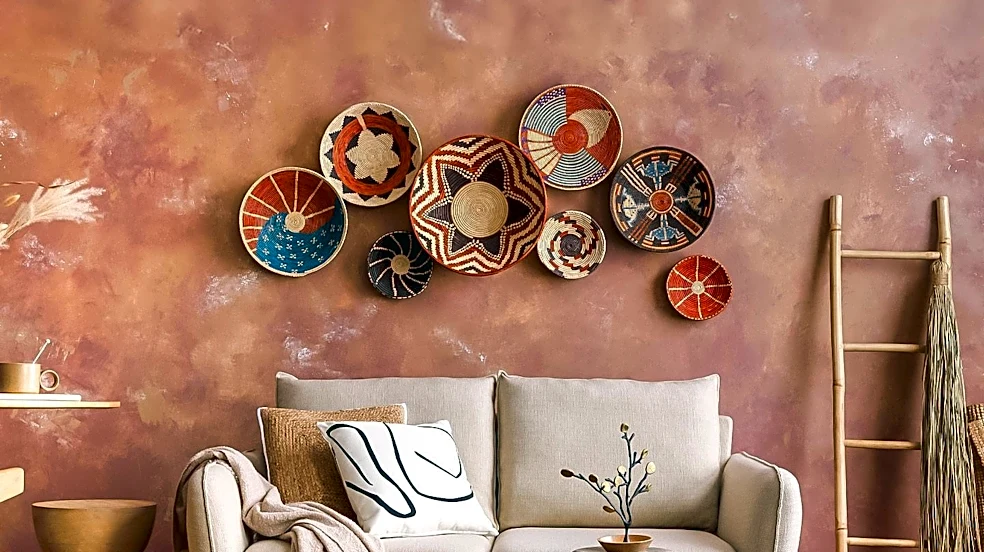
Creating a gallery wall involves strategic planning to ensure a cohesive and personalized display without appearing cluttered. Experts recommend starting with a focal piece, such as a favorite illustration or travel photograph, and then adding two or three
supporting pieces that connect to its subject or mood. The central piece should be hung at an eye-level height, typically 57 to 60 inches from the floor. Maintaining consistent gaps between frames, usually around 2 inches, is crucial for a unified look. Before purchasing frames, it is advised to measure the usable wall area and mock up the entire layout using paper templates to visualize the arrangement. This process helps in determining the appropriate size and number of pieces, ensuring the display fits the space and personal aesthetic. Various types of wall art, including acrylic prints, metal prints, and framed canvas prints, can be incorporated into gallery walls. Tools like Printique’s Gallery Wall Designer and MeltFlex Gallery Wall Layout Generator can assist in visualizing the arrangement before making final selections.
Why It's Important?
The strategic creation of gallery walls is important for homeowners and interior design enthusiasts seeking to personalize their living spaces effectively. A well-designed gallery wall can transform a room, adding character and reflecting individual tastes and memories. By following expert advice on focal points, spacing, and layout, individuals can avoid common pitfalls such as cluttered or disjointed displays, which can detract from a room's aesthetic. This approach also encourages thoughtful curation of personal items, turning photographs and art into meaningful decor. For the home decor industry, these guidelines highlight the demand for versatile framing options and design tools that simplify the process for consumers. The emphasis on cohesive design also influences product development, promoting sets of frames and diverse art mediums that can be easily integrated into a gallery wall concept, thereby driving sales and innovation in the home furnishings market.
What's Next?
As interest in personalized home decor continues to grow, the market for gallery wall components and design tools is likely to expand. Consumers can expect to see more integrated solutions from retailers, offering curated frame sets, pre-designed layouts, and digital visualization tools to simplify the creation process. Interior design services may increasingly offer specialized consultations for gallery wall planning, leveraging these tools to provide tailored recommendations. Manufacturers of wall art and frames will likely focus on producing versatile products that cater to various aesthetic preferences, from minimalist to eclectic, ensuring compatibility in terms of size, material, and finish. Additionally, the trend may lead to more educational content and workshops aimed at empowering individuals to design and install their own gallery walls with confidence, further democratizing interior design principles and fostering creativity in home styling.
Beyond the Headlines
Beyond the immediate aesthetic appeal, the creation of gallery walls taps into deeper psychological and cultural aspects of home and identity. A thoughtfully curated gallery wall serves as a visual narrative, reflecting personal journeys, cherished memories, and artistic preferences. In an increasingly digital world, the physical display of photographs and art offers a tangible connection to one's past and present, fostering a sense of belonging and personal history within the home. Ethically, the process encourages mindful consumption, as individuals are prompted to select meaningful pieces rather than mass-produced decor. Culturally, gallery walls represent a modern evolution of displaying personal archives, moving beyond traditional photo albums to create dynamic, evolving installations that can be updated as life unfolds. This trend underscores a broader societal shift towards personalization and self-expression in domestic spaces, transforming homes into curated reflections of individual lives and stories.