



What's Happening?
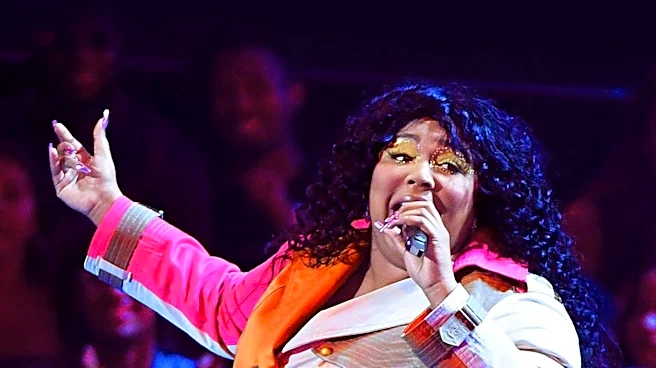
Swedish pop star Zara Larsson has ignited an online debate following comments made on the 'Las Culturistas' podcast. Larsson stated that she requires everyone on her team to be able to make a 'goon face' on demand, explaining it as a test of their ability
to be carefree and silly. She jokingly added that if someone couldn't perform the 'goon face,' they would be fired. This remark, intended to convey her desire for a lighthearted and uninhibited work environment, has been met with mixed reactions across social media. While some view it as a harmless joke reflecting a desire for a fun team dynamic, others have criticized it, interpreting it as potentially creating an uncomfortable or even sexually unsafe workplace. The conversation highlights differing perspectives on humor and professional conduct in the entertainment industry.
Why It's Important?
This incident is important as it underscores the evolving sensitivities and expectations surrounding workplace conduct, particularly in the public eye. For public figures and their teams, seemingly innocuous comments can quickly escalate into broader discussions about power dynamics, employee rights, and appropriate professional boundaries. The debate reflects a societal shift towards greater scrutiny of workplace culture, where even humorous remarks can be perceived as problematic if they imply coercion or discomfort for employees. This situation could influence how celebrities and public figures communicate about their team management and internal policies, prompting them to be more mindful of how their words might be interpreted by a diverse audience and their own staff. It also highlights the challenges of maintaining a casual, creative atmosphere while adhering to modern standards of professional respect and safety.
What's Next?
The immediate aftermath will likely involve continued online discussion and potentially further clarification from Zara Larsson or her representatives regarding the intent behind her comments. Depending on the intensity and direction of the public reaction, there could be calls for her to issue a formal apology or to elaborate on her workplace philosophy. This event might also serve as a cautionary tale for other public figures, leading them to re-evaluate their public statements about internal team dynamics. In the broader entertainment industry, it could contribute to ongoing conversations about fostering inclusive and respectful work environments, potentially influencing guidelines for talent and management on how to discuss workplace culture publicly. The incident may also prompt a re-examination of what constitutes appropriate humor and team-building exercises in professional settings.
Beyond the Headlines
Beyond the immediate controversy, this event touches upon deeper cultural shifts regarding humor, power, and authenticity in the workplace. The 'goon face' comment, intended to signify a lack of self-seriousness, inadvertently exposed a tension between an artist's desire for a free-spirited team and the increasing demand for strict adherence to professional conduct standards. It raises questions about how much personal expression is acceptable from employers, especially those in positions of influence, and where the line is drawn between playful banter and potentially inappropriate demands. This incident could contribute to a broader re-evaluation of 'fun' workplace cultures, prompting organizations to consider whether such practices genuinely foster inclusivity and comfort for all employees or inadvertently create environments where some feel pressured or marginalized. It also highlights the double-edged sword of social media, where casual remarks can be amplified and scrutinized, leading to unforeseen consequences for public figures.