






What's Happening?
U.S. clothing brands navigating production and importation processes must adhere to a complex set of regulations and cost structures. According to Importivity.com, starting a clothing brand involves choosing among various production methods: print-on-demand,
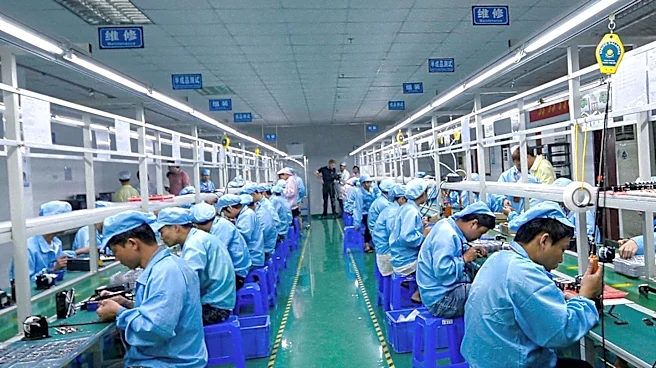
printing on blank garments, private label manufacturing, or cut-and-sew operations. Each method dictates the minimum order quantity, upfront cash investment, and profit margin per sale. For instance, private label manufacturing in China typically requires 100 to 300 pieces per style, with a basic T-shirt costing $3.50 to $7 FOB (Free On Board) before freight and duty. Cut-and-sew operations, which involve custom designs, have higher minimums, ranging from 300 to 1,000 pieces per style overseas and 25 to 500 in U.S. factories. Additionally, all clothing sold in the U.S. must comply with FTC's Textile Act and Care Labeling Rule, requiring labels to specify fiber content, country of origin, brand name or RN number, and care instructions. Children's clothing (ages 12 and under) faces even stricter regulations from the CPSC, including flammability standards and tracking labels, with specific rules for drawstrings on outerwear.
Why It's Important?
The intricate web of production costs, import duties, and regulatory compliance significantly impacts U.S. clothing brands, particularly small and medium-sized enterprises. The 36.5% U.S. duty on cotton T-shirts from China, which includes a 16.5% regular rate, 7.5% under Section 301 List 4A, and a 12.5% forced-labor duty, substantially increases the landed cost of goods. This directly affects pricing strategies and profit margins, making it challenging for brands to compete. The requirement for tech packs, multiple sampling rounds, and pre-shipment inspections adds to the initial investment and lead times. Furthermore, the strict labeling requirements from the FTC and CPSC, including specific flammability standards for children's sleepwear and rules against 'Made in USA' claims for imported blanks, necessitate meticulous attention to detail to avoid legal penalties and reputational damage. These factors collectively influence the viability and competitiveness of U.S. clothing brands in both domestic and international markets.
What's Next?
U.S. clothing brands must continue to meticulously plan their production and supply chain strategies to navigate the evolving regulatory and cost landscape. Future considerations include staying updated on changes to import duties and trade policies, particularly those affecting goods from countries like China and Vietnam. Brands will need to carefully evaluate the trade-offs between lower overseas production costs and the added expenses of duties, freight, and longer lead times. The emphasis on compliance with FTC and CPSC regulations, especially for children's apparel, will likely intensify, requiring ongoing investment in testing and certification. Brands may also explore diversifying their manufacturing locations to mitigate risks associated with tariffs and geopolitical factors. The industry will likely see continued innovation in supply chain management and a greater focus on transparency to meet consumer demands and regulatory scrutiny.
Beyond the Headlines
The complexities highlighted in the textile and apparel industry extend beyond mere financial and logistical challenges, touching upon ethical and consumer trust dimensions. The imposition of forced-labor duties, for instance, reflects a broader societal concern regarding human rights in global supply chains, pushing brands to ensure ethical sourcing. The stringent 'Made in USA' labeling rules underscore the importance of authenticity and transparency in marketing, as consumers increasingly value locally produced goods and accurate product information. The CPSC's regulations on children's clothing, particularly regarding flammability and safety features like drawstrings, highlight the critical role of government agencies in protecting vulnerable populations. These regulations not only shape business practices but also influence consumer purchasing decisions, fostering a market where ethical considerations, safety, and transparency are becoming as crucial as price and design.