







What's Happening?
An anti-inflammatory diet, as recommended by experts, focuses on a combination of carbohydrates, proteins, vitamins, fiber, polyphenols, and healthy fats to reduce and prevent chronic inflammation. This dietary approach includes a variety of nutrient-rich,
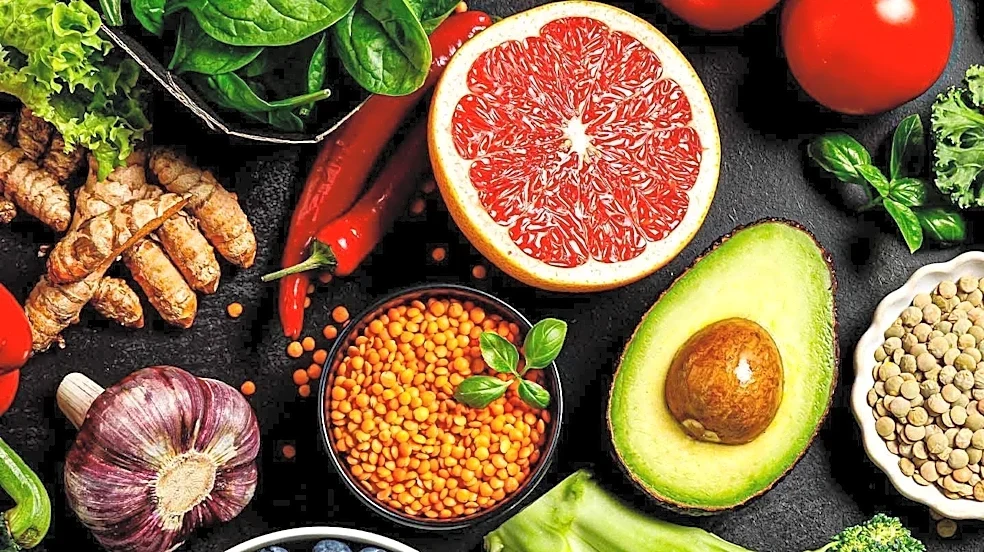
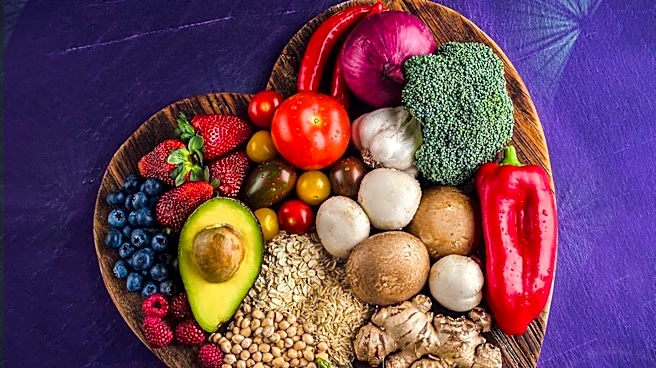
minimally processed foods such as fruits, vegetables, whole grains, nuts, seeds, legumes, spices, and low-fat proteins like omega-3 fatty acids found in fatty fish. Conversely, it advises limiting or avoiding processed and red meats, processed grains, processed sugars, and most dairy products. The diet is not a strict menu but rather a framework for making supportive food choices more frequently, incorporating elements like anti-inflammatory smoothies, spices, herbs, snacks, and drinks. Experts from Harvard Health Publishing, Cleveland Clinic, and Healthline consistently highlight foods such as fatty fish (salmon, mackerel, tuna), berries and dark-colored fruits (blueberries, cherries), leafy greens (spinach, kale), tomatoes, nuts, olive oil, whole grains (brown rice, oats), and legumes as beneficial. Spices like turmeric and cinnamon, along with green tea and coffee, are also noted for their anti-inflammatory properties.
Why It's Important?
Adopting an anti-inflammatory diet is crucial for public health as it helps fight inflammation, which is a key factor in the development and progression of numerous chronic diseases. By reducing chronic inflammation, individuals can lower their risk of conditions such as diabetes, heart disease, fatty liver disease, and certain types of cancer. This dietary pattern supports general well-being and can contribute to improved cardiovascular health and reduced inflammatory markers. The emphasis on whole, unprocessed foods aligns with broader health recommendations, promoting a balanced intake of essential nutrients. While it is not a cure for specific ailments like joint pain, it provides a foundational approach to health management. The diet's principles, often mirrored in patterns like the Mediterranean and DASH diets, have been associated with benefits beyond inflammation reduction, including lower cholesterol, improved body weight, and better blood pressure and blood sugar levels. This makes it a significant strategy for preventive health and long-term wellness.
What's Next?
Individuals considering an anti-inflammatory diet are encouraged to consult with healthcare providers, especially if they have pre-existing conditions like cancer or diabetes, before incorporating new supplements such as turmeric. The ongoing recommendation is to integrate dietary changes with other healthy lifestyle habits, including quitting smoking, regular exercise, adequate sleep, and stress management, to maximize the benefits in reducing inflammation levels. Consumers will likely see continued emphasis on reading ingredient labels to identify and avoid processed ingredients, high sodium, and added sugars in seemingly healthy snacks. The trend towards whole, minimally processed foods is expected to continue influencing food product development and public health campaigns, promoting greater awareness of the link between diet and chronic disease prevention. Further research may continue to refine specific food recommendations and their precise mechanisms in combating inflammation.
Beyond the Headlines
The widespread adoption of an anti-inflammatory diet could lead to significant shifts in the food industry, favoring producers of whole grains, fresh produce, and sustainable sources of fatty fish, while potentially reducing demand for highly processed foods, red meats, and sugary beverages. This dietary approach also highlights a growing public understanding of the body's internal processes, moving beyond symptomatic treatment to proactive health management through nutrition. Ethically, the promotion of such diets underscores the importance of accessible, affordable, and nutritious food options for all socioeconomic groups, as dietary choices are often influenced by economic factors. Culturally, it may foster a greater appreciation for traditional diets rich in plant-based foods and healthy fats, such as the Mediterranean diet, which have long been recognized for their health benefits. The long-term societal impact could include a reduction in healthcare burdens associated with chronic diseases, leading to a healthier and more productive population.