




What's Happening?
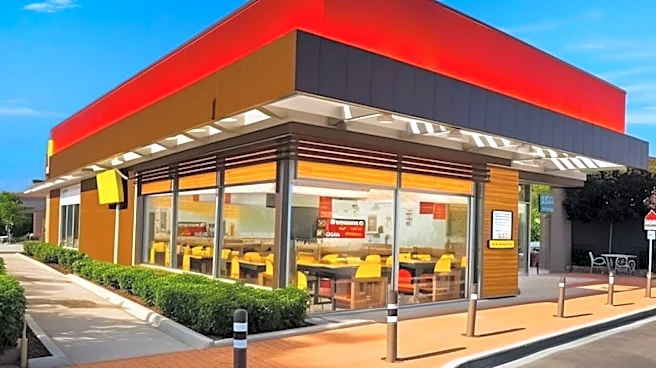
Walmart is significantly expanding its food delivery services by partnering with Dunkin' to deliver orders through its platform. This move follows a previous collaboration with Subway, marking a strategic push by the retail giant into the prepared food delivery market.
The company aims to increase its non-grocery delivery revenue and directly compete with established delivery services like DoorDash and Uber Eats. Walmart's strategy leverages its extensive existing delivery network and vast store footprint, which it claims allows for faster and more cost-effective order fulfillment compared to dedicated delivery apps in many markets. Over the past year, Walmart has steadily increased its partnerships with restaurants and grocery stores to build a broader delivery marketplace.
Why It's Important?
This expansion by Walmart is significant as it introduces a heavily capitalized competitor with substantial logistical infrastructure into a market largely dominated by DoorDash and Uber Eats. For these incumbent delivery companies, Walmart's entry represents a formidable challenge, potentially impacting their order volumes and market share. Investors will closely monitor whether Walmart's aggressive push will lead to a reduction in orders for the two delivery giants or if it will contribute to an overall expansion of the market for on-demand food delivery. Walmart's ability to offer competitive pricing and speed due to its existing assets could disrupt the current market dynamics, forcing other players to innovate or adjust their strategies to maintain their positions.
What's Next?
Walmart is expected to continue expanding its network of restaurant and grocery partners as it solidifies its position in the food delivery sector. The success of its Dunkin' partnership will likely influence future collaborations and the pace of its expansion. DoorDash and Uber Eats will likely respond to this increased competition by potentially enhancing their service offerings, optimizing delivery logistics, or exploring new partnerships to retain their customer base. The market will observe how consumers react to Walmart's delivery service, particularly regarding pricing, speed, and convenience, which will dictate the long-term impact on the competitive landscape of food delivery in the U.S.
Beyond the Headlines
Walmart's foray into broader food delivery signifies a larger trend of major retailers diversifying their services to capture more of the consumer spending pie. This move blurs the lines between traditional retail, grocery, and food service, creating an integrated ecosystem where consumers can fulfill a wider range of needs from a single provider. The long-term implications could include increased pressure on gig economy workers, as companies like Walmart might seek to optimize delivery costs, potentially affecting driver pay and benefits. Furthermore, this intensified competition could drive further consolidation in the delivery market, as smaller players may struggle to compete with the scale and resources of a company like Walmart.