
What's Happening?
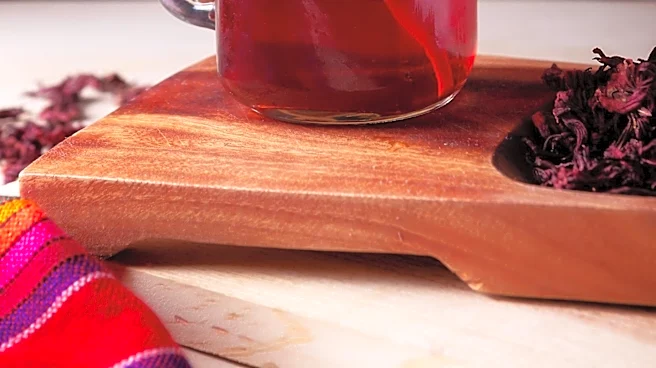
Hibiscus drinks, known by various names such as Sorrel, Zobo, and Bissap, are enjoyed worldwide, each with unique cultural twists. In Senegal, Bissap is a sweet, chilled drink often infused with mint and star
anise, while in Nigeria, Zobo is flavored with ginger, pineapple, and sometimes black pepper for a spicy kick. These drinks, made from the dried calyces of the hibiscus plant, are not only popular for their refreshing taste but also for their cultural significance in hospitality and social gatherings. The variations in recipes reflect the diverse cultural identities and traditions associated with hibiscus drinks across regions like West Africa, the Caribbean, and Latin America.
Why It's Important?
The global popularity of hibiscus drinks highlights the cultural exchange and adaptation of traditional foods. These drinks are not only a testament to culinary diversity but also to the shared human experience of using natural ingredients for both enjoyment and health benefits. Hibiscus is known for its potential health benefits, including antioxidant properties and the ability to lower blood pressure. The widespread use of hibiscus in various cultural contexts underscores the importance of preserving traditional recipes while also exploring their health benefits, which can contribute to a broader understanding of global dietary practices.