







What's Happening?
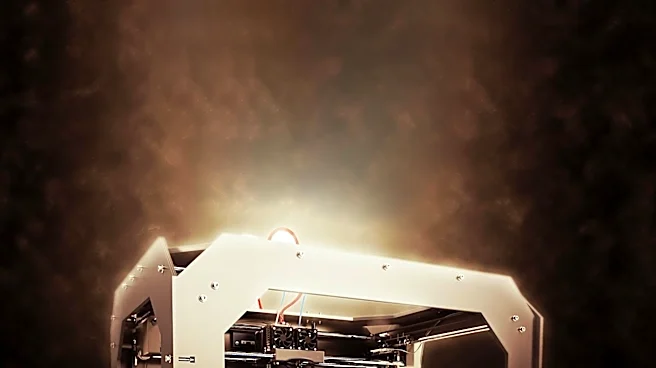
3D-printed meat refers to food shaped using a 3D printing process, where edible ingredients are deposited layer by layer according to a digital design. This method describes how a food is formed, not what it is made of, as printed meat-like products can
utilize plant ingredients, cultivated animal cells, or processed conventional meat. Plant-based 3D-printed meat, such as the Perfecta line by Steakholder Foods, has already reached retail sales in the northeastern United States as of September 2026. Cultivated meat, derived from animal cells grown under controlled conditions, does not necessarily require 3D printing, though bioprinting can arrange cells into structures resembling muscle and fat. Regulatory clearance for these products is specific to the product, jurisdiction, and intended use, with the U.S. Food and Drug Administration (FDA) having completed premarket consultations for several cultured-cell foods.
Why It's Important?
The emergence of 3D-printed meat signifies a significant advancement in food technology, offering unprecedented control over food shape, material placement, and design flexibility. This technology has the potential to revolutionize food production by creating customized textures and appearances, which could enhance consumer appeal for alternative protein sources. The distinction between plant-based, cultivated, and restructured conventional meat in 3D printing is crucial for understanding ingredient profiles, nutritional content, and regulatory pathways. As the U.S. market sees the introduction of these products, clear labeling and regulatory oversight become paramount to ensure consumer safety and informed choices, impacting both the food industry and public health.
Beyond the Headlines
The development of 3D-printed meat raises deeper questions about the future of food, sustainability, and consumer perception. While offering benefits like reduced environmental impact (for plant-based and cultivated options) and enhanced food customization, challenges remain in achieving taste, texture, and cost parity with conventional meat. The technology also blurs traditional definitions of 'meat,' prompting discussions about ethical considerations, food identity, and the role of technology in addressing global food demands. As these products become more prevalent, they will likely influence dietary habits, agricultural practices, and the regulatory frameworks governing food innovation, potentially leading to a more diverse and technologically advanced food system.