



What's Happening?
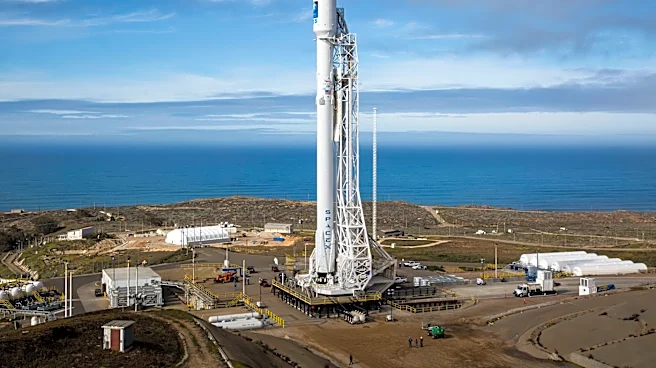
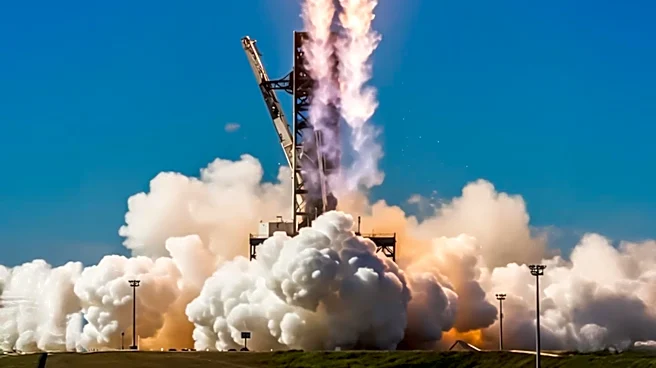
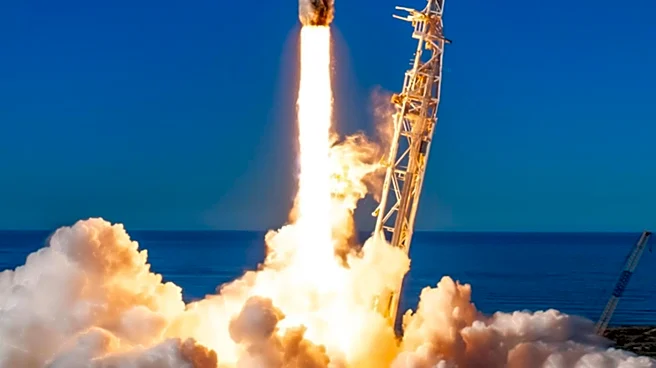
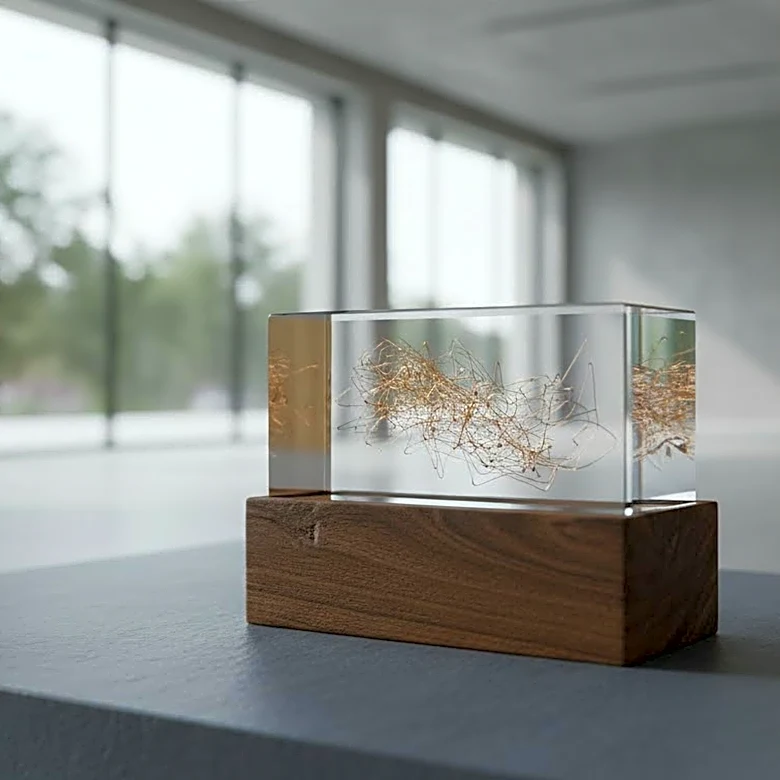
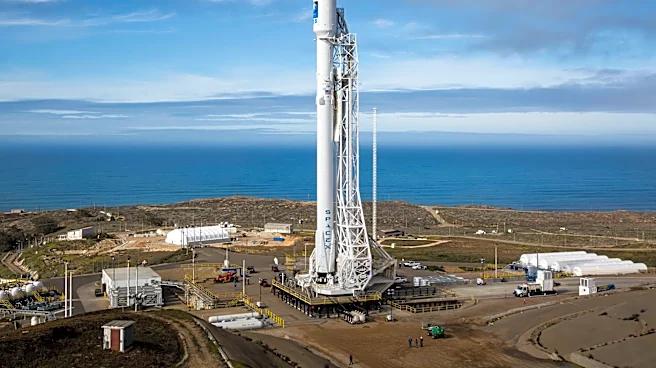
SpaceX has successfully launched the world's first commercially developed nuclear-powered satellite, the BOHR CubeSat, aboard its Transporter-17 mission. This satellite utilizes a betavoltaic nuclear power source, which converts beta particles from tritium
decay into electricity, allowing it to operate independently of sunlight. This technology marks a significant advancement in space power systems, enabling long-duration missions in environments where solar power is insufficient. The mission highlights the potential for nuclear power in space exploration, supporting future lunar infrastructure and deep-space missions. The launch also demonstrates the growing role of private companies in developing and deploying nuclear-powered spacecraft.
Why It's Important?
The successful deployment of the BOHR CubeSat represents a major milestone in the commercialization of nuclear power for space applications. This technology offers a reliable power source for spacecraft operating in challenging environments, such as lunar craters and deep space, where solar power is not viable. The mission underscores the evolving relationship between commercial space companies and advanced power systems, potentially leading to new opportunities in space exploration and infrastructure. It also highlights the importance of regulatory frameworks in facilitating the safe deployment of nuclear technologies in space.
Beyond the Headlines
The introduction of nuclear power in commercial spaceflight raises important considerations regarding public perception and regulatory challenges. While the technology offers significant advantages, it also requires careful communication about safety and environmental impact. The success of this mission could pave the way for broader adoption of nuclear power in space, encouraging innovation across various sectors, including defense, telecommunications, and scientific research. As the space industry continues to grow, the development of reliable, long-duration power solutions will be crucial for future missions and infrastructure.