







What's Happening?
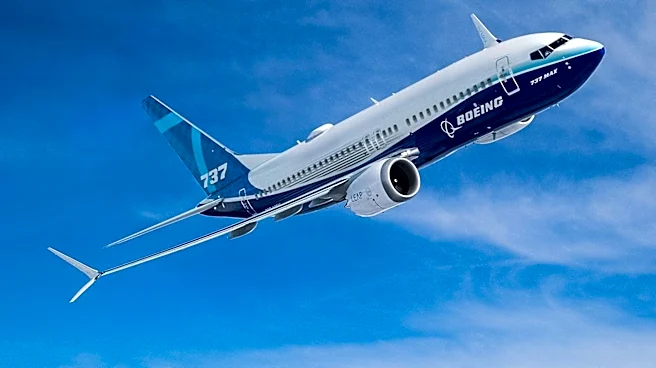
As the Farnborough Airshow 2026 approaches, the aviation industry is showing signs of recovery with Boeing and Airbus ramping up production. The event is expected to be more fruitful than the 2024 edition, which saw lower order volumes due to timing and market
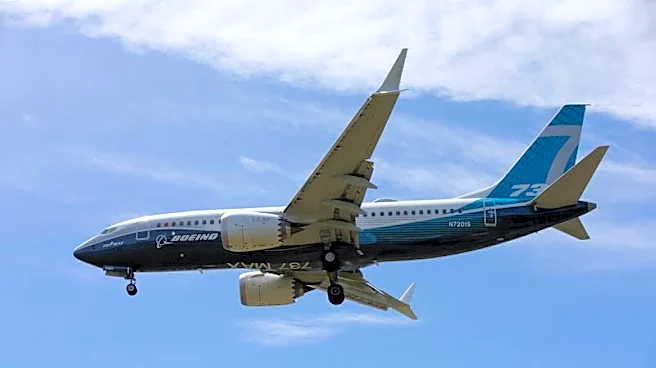
uncertainties. Boeing is progressing with the certification of its 777-9 and 737-7 models, while Airbus aims to exceed 900 commercial aircraft deliveries in 2026. Despite ongoing challenges such as supply chain constraints and geopolitical tensions, demand for new aircraft remains strong. Airlines are planning fleet transitions to replace aging aircraft, with significant orders anticipated from major carriers.
Why It's Important?
The Farnborough Airshow serves as a barometer for the aviation industry's health and future trends. The anticipated increase in aircraft orders reflects a growing confidence in the market's recovery and the need for more fuel-efficient fleets. This is crucial for airlines looking to reduce operational costs and meet environmental targets. The event also highlights the importance of technological advancements and strategic partnerships in driving industry growth. The decisions made at Farnborough could shape the competitive landscape and influence investment in new technologies and infrastructure.
What's Next?
The airshow is expected to see announcements of significant aircraft orders, with potential commitments from airlines like American Airlines, Cathay Pacific, and Singapore Airlines. The focus will be on securing favorable production slots amid high demand and backlogs. The industry will continue to navigate challenges such as supply chain disruptions and geopolitical tensions, which could impact future growth. As airlines plan for fleet renewals, the emphasis will be on sustainability and innovation to meet evolving market demands.