





What's Happening?
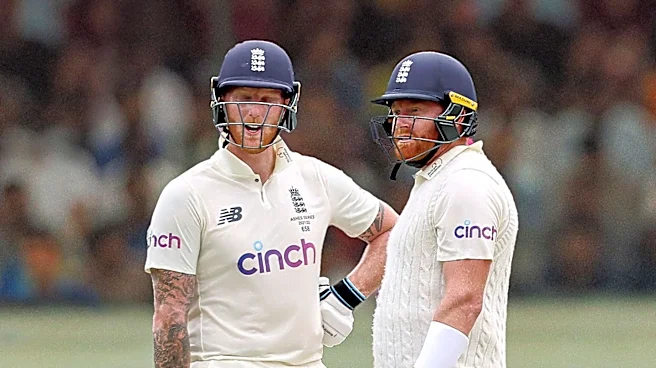
British broadcaster Piers Morgan and cricketer Ben Stokes have publicly criticized the Indian cricket team's decision to agree to an early draw in their first Test match against New Zealand in Wellington on November 23, 2026. India and New Zealand concluded
the match with approximately an hour remaining on Day 5, after India failed to secure a victory despite controlling much of the game. India had posted 720 for 9 in their first innings, taking a 352-run lead, but New Zealand's second innings saw them bat for 120 overs, finishing at 239/5. Daryl Mitchell (49 not out) and Glenn Phillips (26 not out) held strong, making it difficult for Indian bowlers to take the remaining five wickets. Shubman Gill, India's captain, decided to call off the game, leading to a share of World Test Championship points. Morgan expressed his disapproval on Twitter, calling the decision 'Absolutely pathetic,' while Stokes reacted with a post mirroring his feelings, drawing parallels to a previous encounter in 2025.
Why It's Important?
This incident highlights ongoing debates within the sport of cricket regarding strategic decisions in Test matches, particularly when teams opt for draws rather than pushing for a win. The criticism from prominent figures like Piers Morgan and Ben Stokes, especially given Stokes's past experience in a similar situation, underscores the differing philosophies on how Test cricket should be played. For fans and commentators, such decisions often spark discussions about sportsmanship, competitive spirit, and the integrity of the game. The reaction also brings to light the pressure on teams to secure wins for World Test Championship points versus the practicalities of match situations, such as a resilient opposition or a deteriorating pitch. The controversy could influence future captaincy decisions and team strategies in similar scenarios, as teams weigh public perception against tactical considerations.
What's Next?
The immediate aftermath of this decision will likely involve continued discussion and debate within cricket media and among fans regarding India's choice to accept an early draw. Captain Shubman Gill may face further questions about his rationale, and the team's performance in subsequent matches against New Zealand will be scrutinized, particularly in the context of their World Test Championship aspirations. The differing perspectives between the English cricket community, represented by Morgan and Stokes, and the Indian team's decision-making could fuel ongoing rivalries and discussions about playing styles. Future Test matches involving these teams, especially in close situations, will likely see increased attention on how captains manage the final hours of a game, potentially influencing tactical approaches to avoid similar criticisms or to justify aggressive play.
Beyond the Headlines
The controversy surrounding India's early draw extends beyond a single match result, touching upon broader themes of competitive ethics and the evolving nature of Test cricket. The comparison to the 2025 Manchester Test, where India rejected Stokes's offer for an early draw, highlights a perceived inconsistency or double standard in expectations. This situation prompts a deeper look into how teams balance individual player milestones (like centuries) with team objectives (winning the match) and the overall spirit of the game. It also raises questions about the role of external commentary, particularly from influential figures, in shaping public opinion and potentially pressuring teams. The incident could contribute to a wider conversation about the rules governing draws in Test cricket and whether current regulations adequately encourage competitive play until the very end, or if they inadvertently incentivize risk-averse decisions.