





What's Happening?
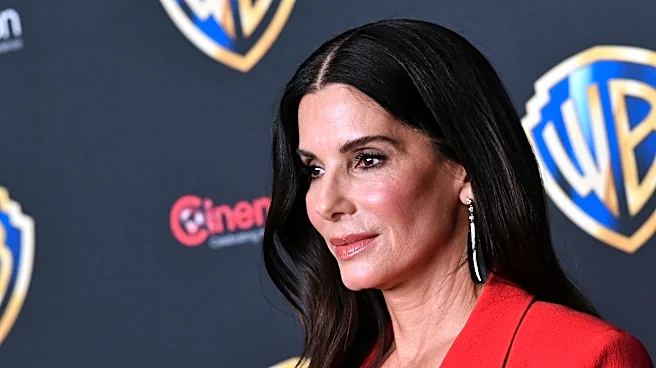
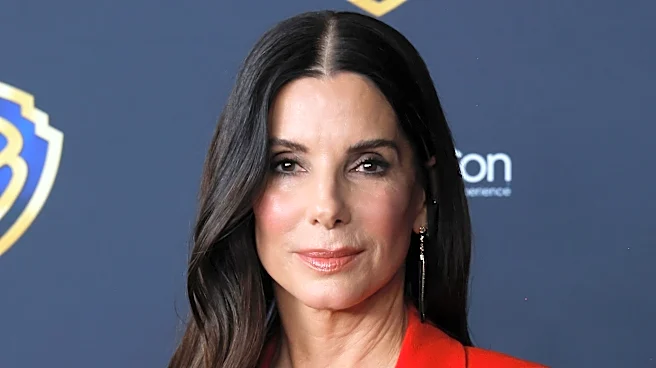
Actress Sandra Bullock has publicly spoken for the first time about the death of her long-term partner, Bryan Randall, who passed away in 2023 from motor neuron disease (MND), also known as ALS in the U.S. Bullock revealed on the SmartLess Podcast that
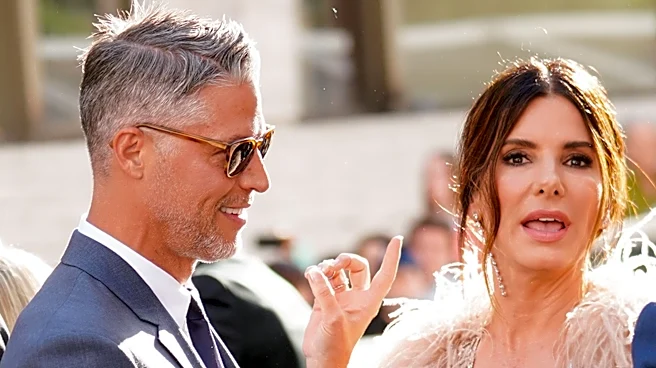
Randall had requested his diagnosis be kept private, a wish she honored for three years. She explained that this decision, coupled with managing his care and raising their children during the COVID-19 pandemic, led to her feeling isolated. Randall battled MND for three years before his death at age 57. Bullock and Randall had been together for eight years and adopted two children. MND is an incurable, degenerative condition that affects nerve cells, leading to full-body paralysis. Bullock confided in close friends Jennifer Aniston and Amanda Anka, wife of Jason Bateman, during this period. She described grieving for years before his passing, noting a significant shift in their relationship.
Why It's Important?
Sandra Bullock's revelation sheds light on the immense personal sacrifices and emotional toll experienced by caregivers of individuals with debilitating illnesses, particularly when the illness is kept private. Her decision to honor Randall's wish for privacy, while understandable, underscores the isolation that can accompany such a commitment, impacting her own well-being. This story highlights the profound challenges of navigating a severe health crisis within a family, especially with young children and during a global pandemic. It also brings attention to ALS, a devastating disease that progressively robs individuals of their physical capabilities. Bullock's experience can resonate with countless families who face similar circumstances, emphasizing the need for support systems, even when privacy is paramount. The narrative also touches on the public's perception of celebrity lives, often unaware of the private struggles occurring behind the scenes.
What's Next?
Sandra Bullock's decision to share her experience publicly, three years after Bryan Randall's death, may open a broader conversation about grief, caregiving, and the impact of chronic illness on families. While there are no immediate 'next steps' in terms of an ongoing event, her candidness could inspire others to share their stories or seek support. It may also draw renewed attention to ALS research and advocacy, potentially increasing awareness and funding for the disease. For Bullock herself, speaking out could be part of her healing process, allowing her to process the 'huge weight' she carried. The entertainment industry and the public might gain a deeper understanding of the personal lives of public figures, fostering more empathy and less speculation about their private struggles. This disclosure serves as a powerful personal testimony rather than a precursor to future events.
Beyond the Headlines
Beyond the immediate narrative of a celebrity's personal loss, Sandra Bullock's story delves into the ethical considerations surrounding privacy in illness and death. Randall's request for privacy, and Bullock's unwavering commitment to it, raises questions about the individual's right to control their narrative, even in the face of public scrutiny. This decision, while deeply personal, also highlights the potential for self-isolation and the burden it places on caregivers. The 'trifecta' of Randall's illness, raising children, and the pandemic created an extraordinary set of circumstances that pushed Bullock to her limits, illustrating the cumulative stress that can lead to profound emotional and psychological challenges. Her experience underscores the often-invisible labor of caregiving and the importance of mental health support for those who dedicate themselves to loved ones with terminal illnesses, even when they choose to do so in silence.