


What's Happening?
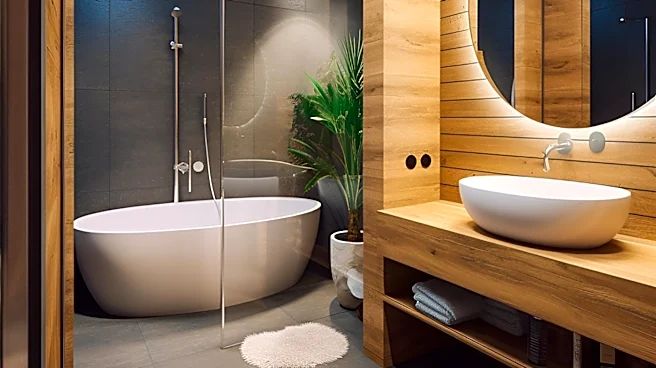
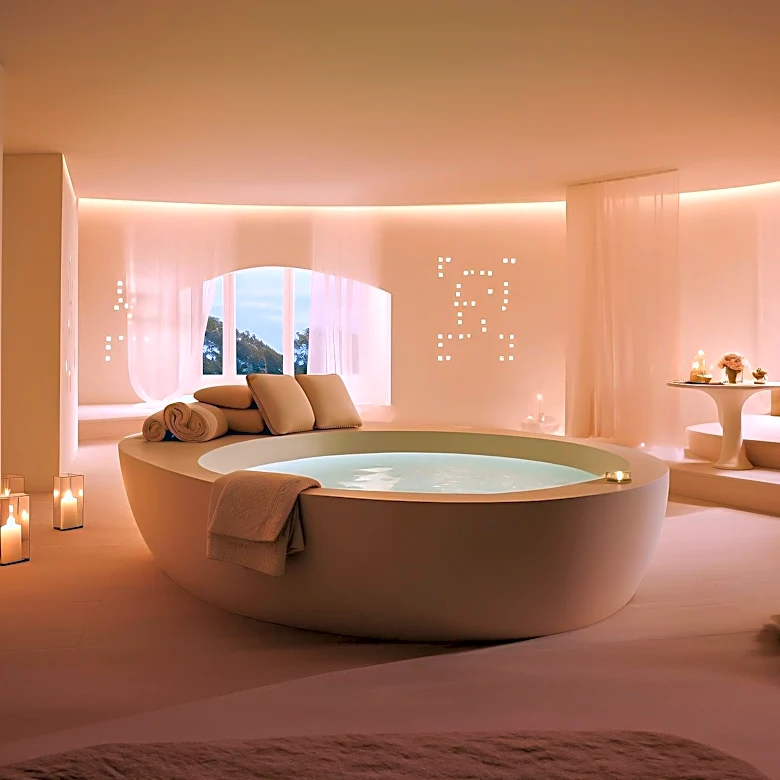
Wellness architecture is increasingly influencing bathroom design, transforming these spaces from purely functional areas into wellness havens. This shift is driven by European traditions like Danish hygge and Finnish saunas, which emphasize relaxation
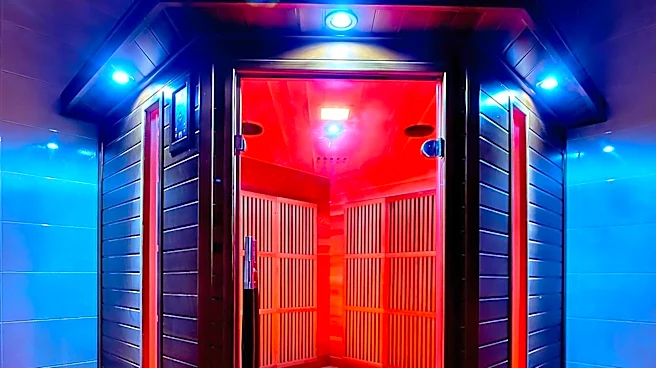
and health. Modern bathrooms are now integrating features such as steam showers, chromotherapy (light therapy), and hydrotherapy. The National Kitchen and Bath Association (NKBA) 2024 trend report highlights a growing demand for home spas and wellness-focused spaces, a trend accelerated by the post-pandemic focus on health. Designers are expanding bathroom footprints to accommodate these features, often incorporating space from adjacent rooms to create a more luxurious feel. Smart technology, including touch-controlled mirrors, temperature-regulated showers, and intelligent lighting systems, is also playing a crucial role in enhancing convenience, efficiency, and luxury in these evolving spaces. The integration of aromatherapy into steam showers further supports detoxification and respiratory soothing.
Why It's Important?
This evolution in bathroom design signifies a broader societal shift towards prioritizing health and well-being within the home environment. For the U.S. housing and interior design industries, this trend presents significant opportunities for innovation and market growth. Manufacturers of bathroom fixtures, smart home technology, and wellness products stand to gain from increased consumer demand for features like steam showers, chromotherapy lighting, and advanced hydrotherapy systems. Real estate developers and home builders can leverage wellness-focused bathrooms as a key selling point, potentially increasing property values and attracting health-conscious buyers. The emphasis on natural materials and biophilic design also aligns with growing environmental consciousness, potentially boosting demand for sustainable building practices. Conversely, traditional bathroom fixture manufacturers who fail to adapt to these wellness trends may see a decline in market share. This trend also impacts public health by promoting daily routines that contribute to physical and mental well-being, such as stress reduction and improved sleep.
What's Next?
The trend of wellness architecture in bathrooms is expected to continue expanding, with further integration of advanced technologies and personalized wellness solutions. Future developments may include more sophisticated AI-driven systems that learn user preferences for light, temperature, and aromatherapy, creating highly customized spa experiences. The demand for larger, more luxurious bathrooms with dedicated wellness zones is likely to grow, influencing architectural designs for new constructions and renovations. We can anticipate an increase in specialized design services focusing on wellness interiors, as well as a greater emphasis on certifications and standards for healthy home environments. The market will likely see more collaborations between health and wellness experts, technology companies, and interior designers to create holistic wellness solutions. Additionally, the adoption of these trends in commercial spaces, such as hotels and spas, will continue to influence residential design, bringing more sophisticated wellness features into homes.
Beyond the Headlines
The transformation of bathrooms into wellness retreats reflects a deeper cultural shift towards self-care and preventative health. This trend moves beyond mere aesthetics, embedding physiological needs into architectural design. The focus on elements like blue light therapy for sleep regulation and steam for detoxification highlights a growing understanding of the direct impact of our built environment on our health. This could lead to a re-evaluation of how all living spaces are designed, with a greater emphasis on creating environments that actively support physical and mental well-being. The ethical implications of integrating advanced technology into personal spaces, such as data privacy related to personalized wellness settings, may also become a more prominent discussion. Furthermore, the increasing demand for high-end wellness features could exacerbate disparities in access to healthy living environments, making wellness architecture a luxury rather than a standard, raising questions about equitable design.