




What's Happening?
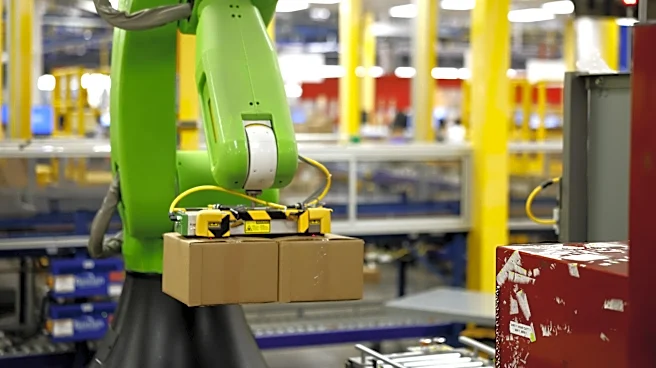
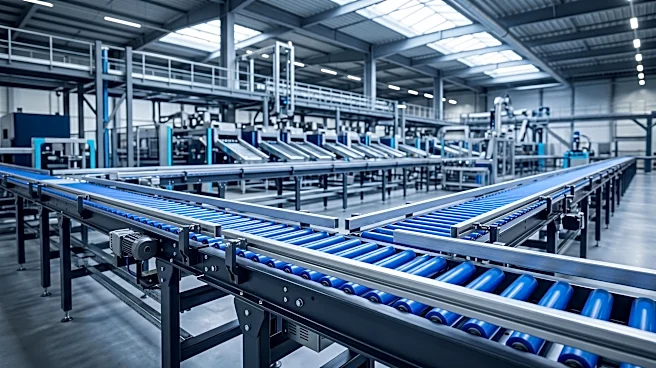
Symbotic is advancing the concept of a 'sentient warehouse,' an AI-powered intelligent facility that integrates robotics, conveyance, and human operators to automate prioritization and maintenance. Unlike conventional automated warehouses that merely
execute tasks and report data, a sentient warehouse continuously evaluates its entire operation as a single system. This system can identify equipment trending towards failure, explain the reasons, and rank its priority in the maintenance queue. This prescriptive approach moves beyond reactive, preventive, and even predictive maintenance by recommending specific actions, prioritizing them against other pending tasks, and routing them to the most suitable technician. This technology is already operational in larger grocery facilities in Europe and is being extended to Symbotic's U.S. operations.
Why It's Important?
The introduction of the 'sentient warehouse' concept by Symbotic holds significant implications for the U.S. logistics and supply chain industries. Unplanned downtime in fast-moving consumer goods can cost approximately $36,000 per hour, and this sector has seen an increase in such losses since 2019. By proactively identifying and prioritizing maintenance needs, sentient warehouses can drastically reduce these costs and improve operational efficiency. This technology addresses the challenge of thin maintenance crews and limited repair windows, ensuring that resources are focused on the most critical issues. It also transforms the role of maintenance managers, providing them with data-driven rationales for prioritizing work and potentially mitigating the impact of a shrinking skilled labor pool in industrial machinery maintenance.
What's Next?
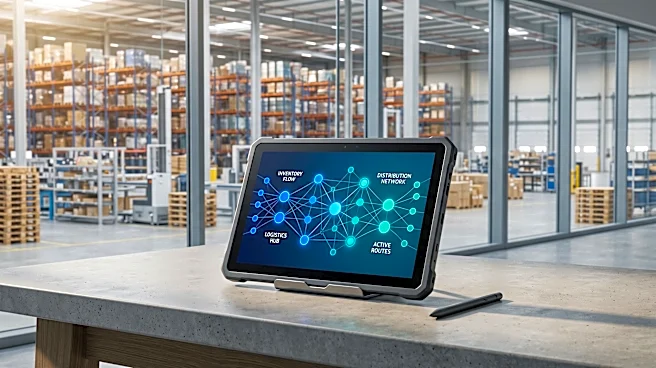
Symbotic is actively implementing this 'sentient warehouse' capability in its U.S. operations, building on its success in Europe. The immediate next step involves integrating this intelligence layer into existing and new facilities, converting operational data into prioritized tasks and routing information to technicians before failures occur. This will likely lead to a redefinition of control rooms, moving from physical spaces to organizational arrangements accessible via handheld devices, providing a unified view of operations and building conditions. The long-term outlook suggests a shift in how warehouses are managed, with a greater reliance on AI for decision-making in maintenance and operational prioritization, potentially setting new industry standards for efficiency and reliability.
Beyond the Headlines
The 'sentient warehouse' represents a profound shift in the relationship between technology and human labor in industrial settings. By automating prioritization and diagnosis, the system enhances human judgment and physical repair capabilities, rather than replacing them. This development raises ethical considerations regarding the balance of human oversight and AI autonomy in critical infrastructure. Furthermore, the ability of a warehouse to 'reason about its own condition' and integrate facility systems (like HVAC and compressed air) with material handling operations highlights a move towards holistic, interconnected operational intelligence. This could lead to significant energy savings and environmental benefits by optimizing resource use and preventing costly inefficiencies, contributing to more sustainable industrial practices.