

What's Happening?
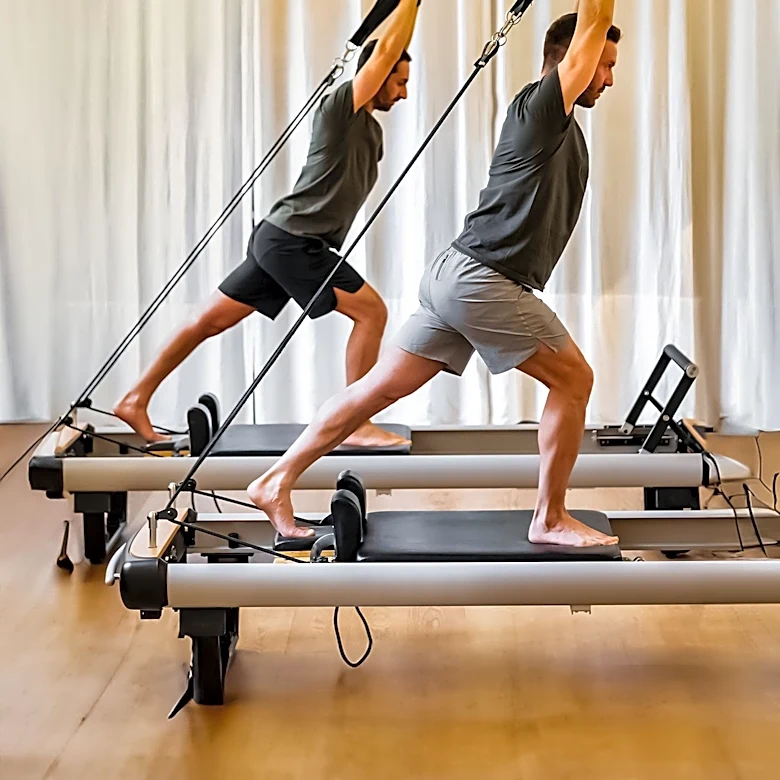
Reformer Pilates is gaining recognition for its balanced, slower-paced workout approach, integrating classic Pilates principles with mindful movement. This method utilizes a specialized Reformer machine, which incorporates springs, straps, and a moving
carriage to provide both resistance and support for various exercises. The versatility of the Reformer allows for adaptations across all fitness levels, from beginners to advanced practitioners, and even includes specialized applications like prenatal Pilates. The focus of Reformer Pilates routines often targets core strength, oblique muscles, and shoulder stability, demonstrating its effectiveness in building overall strength, flexibility, and mobility. This exercise modality is designed to enhance physical well-being through controlled movements and targeted muscle engagement.
Why It's Important?
The growing popularity of Reformer Pilates signifies a broader trend in the U.S. fitness industry towards low-impact, high-benefit exercise regimens. As individuals increasingly seek sustainable and injury-preventative workout options, methods like Reformer Pilates offer a compelling alternative to high-intensity training. Its emphasis on core strength and flexibility can contribute to improved posture, reduced back pain, and enhanced athletic performance across various sports. For the healthcare sector, the adaptability of Reformer Pilates, including prenatal applications, highlights its potential as a therapeutic and rehabilitative tool. Businesses in the fitness and wellness industry stand to gain from this trend, with an increased demand for specialized equipment, certified instructors, and dedicated studio spaces. This shift reflects a consumer preference for holistic health approaches that prioritize long-term physical well-being over short-term, strenuous workouts.
What's Next?
The continued expansion of Reformer Pilates is anticipated, with more fitness studios likely to incorporate Reformer machines and offer specialized classes. Training programs for Pilates instructors will also need to adapt to meet the demand for qualified professionals skilled in Reformer techniques. We may see further integration of Reformer Pilates into corporate wellness programs and physical therapy clinics, recognizing its benefits for injury prevention and rehabilitation. Additionally, advancements in Reformer machine design could lead to more compact and accessible home-use models, broadening its appeal to a wider demographic. The fitness apparel and accessory markets may also see new product lines tailored to the specific needs of Reformer Pilates practitioners, further solidifying its presence in the U.S. wellness landscape.
Beyond the Headlines
Beyond its physical benefits, Reformer Pilates embodies a deeper cultural shift towards mindful movement and holistic health. In a fast-paced society, the slower, controlled nature of Reformer Pilates offers a mental reprieve, encouraging practitioners to focus on their bodies and breath. This emphasis on mindfulness can contribute to reduced stress and improved mental clarity, aligning with a broader societal interest in well-being that extends beyond physical appearance. The accessibility of Reformer Pilates across different fitness levels also promotes inclusivity in exercise, allowing individuals of varying ages and physical conditions to participate. This trend suggests a move away from purely aesthetic fitness goals towards a more functional and sustainable approach to health, where the integration of mind and body is paramount.