






What's Happening?
The Mittleider Gardening Method prioritizes a meticulous and structured garden setup to ensure productivity and ease of management. This approach emphasizes creating level beds, clear pathways, controlled soil conditions, consistent nutrient feeding,
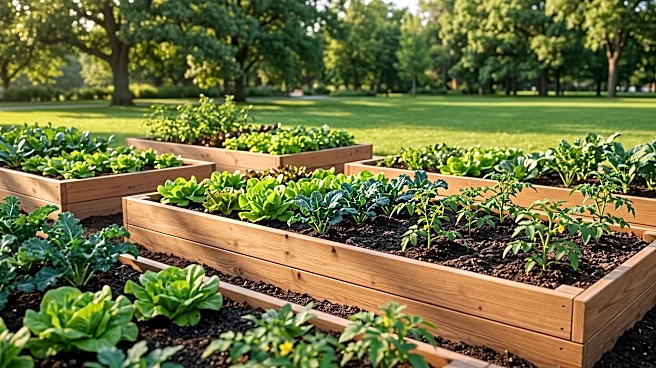
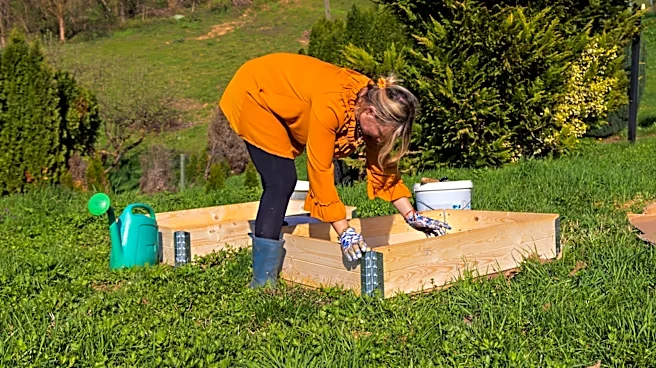
and robust vertical support systems. The method advocates for starting with a level site that receives at least six hours of direct sunlight, has good airflow, easy access to water, and sufficient space for paths between beds. For raised beds, the method suggests using narrow designs that allow gardeners to reach the center without stepping into the growing area, thus preventing soil compaction. Recommended materials for raised beds include untreated lumber, cedar, redwood, concrete blocks, metal panels, or food-safe composite boards, while advising against materials like old railroad ties due to potential chemical contamination. The Mittleider method also details the construction of strong trellis systems, installed early to support climbing plants like tomatoes, cucumbers, melons, and pole beans, using durable posts and galvanized wire to prevent sagging and ensure plant health.
Why It's Important?
The Mittleider Gardening Method offers a systematic approach that can significantly impact gardening success, particularly for those seeking high yields and efficient use of space. By emphasizing precise bed leveling, controlled soil mixes, and consistent nutrient delivery, the method mitigates common gardening challenges such as uneven water distribution, nutrient deficiencies, and soil compaction. This structured approach can lead to more predictable and abundant harvests, which is crucial for home gardeners and small-scale producers aiming for self-sufficiency or local market supply. The focus on vertical gardening through trellising maximizes growing area, making it suitable for smaller plots and urban environments. Furthermore, the method's detailed instructions for setup and maintenance can reduce the physical strain of gardening, making it more accessible for individuals with varying physical abilities and promoting long-term engagement in gardening activities.
What's Next?
Gardeners adopting the Mittleider method will continue to focus on the initial setup, ensuring beds are level, trellises are sturdy, and custom growing mixes are properly prepared. The ongoing process involves consistent watering and scheduled nutrient feeding, which are central to the method's success. Future steps will include monitoring plant growth, adjusting trellising as plants mature, and performing regular maintenance such as weeding and pruning. The method's emphasis on careful planning and execution suggests that gardeners will likely see improved yields and healthier plants, potentially leading to increased adoption of these techniques among the gardening community. Educational workshops and resources on the Mittleider method may also see increased interest as more gardeners seek to optimize their growing practices.
Beyond the Headlines
The Mittleider Gardening Method's emphasis on precision and control in gardening reflects a broader trend towards optimized and efficient food production, even at the home garden level. This approach can be seen as a micro-scale application of agricultural engineering principles, aiming to maximize output from minimal input and space. The method's reliance on custom soil mixes and measured fertilizers raises questions about the long-term environmental impact of such practices, particularly concerning nutrient runoff and the sourcing of materials. However, it also promotes a deeper understanding of plant nutrition and soil science among gardeners. Culturally, it represents a shift from traditional, often intuitive, gardening to a more scientific and methodical approach, potentially empowering individuals with greater control over their food sources and fostering a sense of accomplishment through structured cultivation.