





What's Happening?
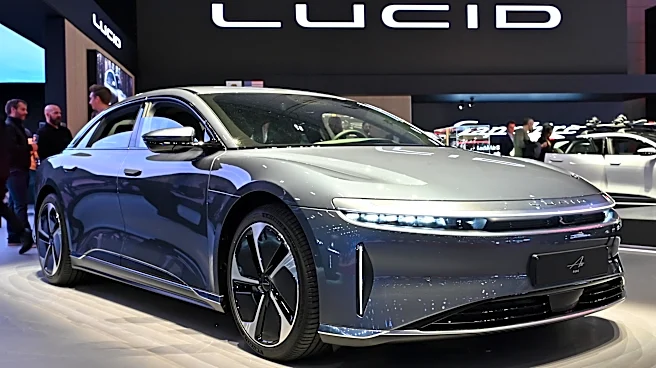
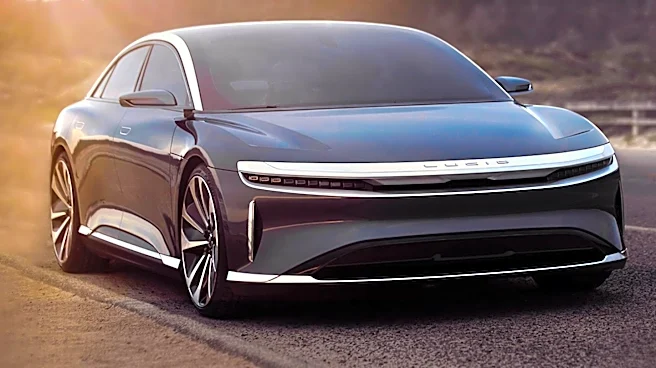
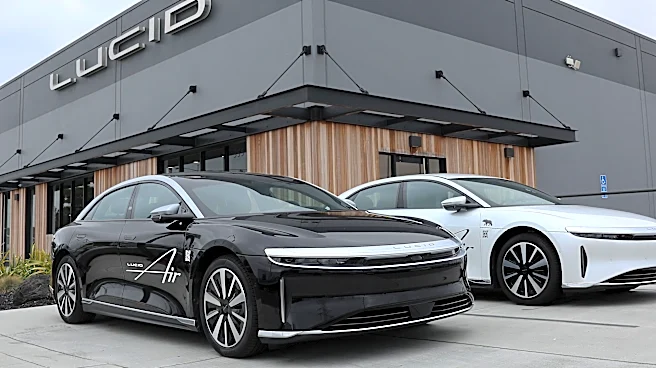
Massachusetts-based YouTuber Rich Benoit, known for his channel 'Rich Rebuilds,' acquired a wrecked $140,000 Lucid Air electric vehicle at auction for $4,100. The vehicle was in 'Service Mode,' limiting its speed to 5 mph due to accident damage. Benoit, who
specializes in repairing seemingly unfixable cars, managed to bypass the battery lockout and resolve an electronic parking brake issue, making the car road-worthy. Following the viral attention his repair videos garnered, Lucid Motors contacted Benoit with an offer: if he fixed the car, they would remove the 'Service Mode' restriction. Benoit also worked on a second Lucid Air from another Massachusetts owner, which was similarly bricked by 'Service Mode' after minor damage. He eventually returned both vehicles to Lucid after making them operational.
Why It's Important?
This situation highlights significant issues within the electric vehicle (EV) repair ecosystem, particularly concerning manufacturer control over vehicle functionality post-sale. Lucid's 'Service Mode' effectively renders a damaged vehicle unusable without manufacturer intervention, even if a third party can physically repair it. This practice raises questions about consumer rights, the right to repair, and the long-term viability of independent repair shops in the EV market. For consumers, it implies that even after purchasing a vehicle, its full functionality can be held hostage by the original equipment manufacturer (OEM) through software locks. This could lead to higher repair costs and limited options for owners of damaged EVs, potentially impacting the resale market for such vehicles.
What's Next?
The outcome of this interaction between Rich Benoit and Lucid Motors could set a precedent for how EV manufacturers handle salvaged or independently repaired vehicles. If Lucid follows through with removing the 'Service Mode' after Benoit's repairs, it might indicate a willingness to engage with independent repair efforts, albeit under their terms. Conversely, if such agreements remain ad-hoc, it could fuel further calls for 'right to repair' legislation to ensure consumers and independent mechanics have access to the necessary tools and software to fix modern vehicles. The broader automotive industry, especially other EV manufacturers, will likely observe this case closely as they navigate the complexities of vehicle ownership, repair, and proprietary technology.
Beyond the Headlines
The deeper implications of this event touch upon the evolving nature of ownership in the digital age. When a vehicle's core functions are controlled by software and subject to manufacturer-imposed restrictions, the traditional concept of owning a product becomes blurred. This scenario raises ethical and legal questions about who truly 'owns' a vehicle—the buyer or the manufacturer who retains control over its operational software. It also underscores the tension between manufacturers' desire to maintain brand integrity and safety standards, and consumers' right to repair and modify their property. This dynamic could lead to significant legal battles and policy debates regarding digital rights, intellectual property, and consumer protection in the context of increasingly software-dependent products.