






What's Happening?
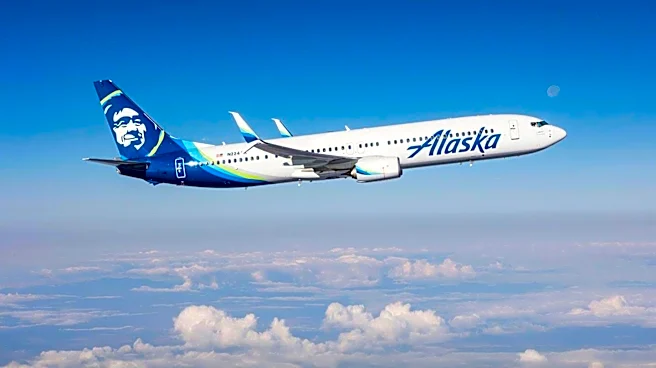
The Association of Flight Attendants (AFA), representing flight attendants at both Alaska Airlines and Hawaiian Airlines, has filed a formal grievance against Alaska Airlines regarding the service model on its new long-haul Boeing 787-9 flights. Flight attendants,
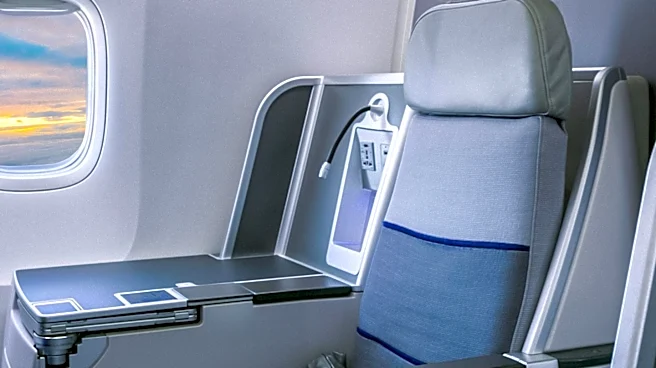
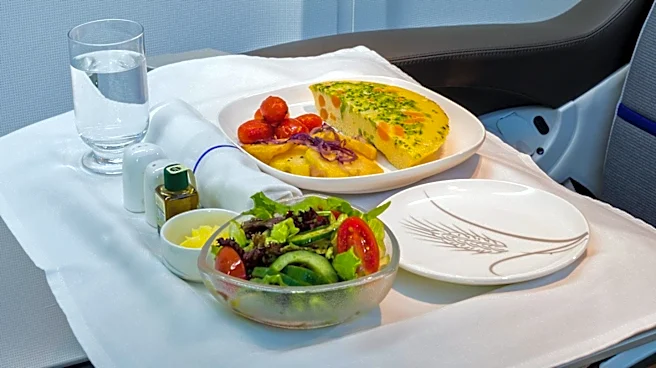
many of whom are pre-merger Hawaiian Airlines crew, claim the current service expectations create an "unsustainable" workload, particularly in economy class. The dispute stems from the launch of Alaska-branded international 787 service in April, where a 30-day observation period for feedback ended in May without the requested changes being implemented. The union argues that Alaska Airlines subsequently added new service elements, such as enhanced offerings for Premium Class passengers, elite recognition, expanded beverage choices, alcohol for purchase, ice cream, and warm cookies, without further testing or mutual agreement, thereby violating Section 29.I.4 of their collective bargaining agreement which requires mutual agreement on inflight service requirements. The 300-seat 787-9 aircraft are typically staffed with 10 flight attendants, with six assigned to the 266-seat economy cabin, where a 'train' model of service is used.
Why It's Important?
This grievance highlights a significant labor dispute within the U.S. airline industry, impacting both employee welfare and passenger experience. For Alaska Airlines, the outcome could dictate staffing levels and the scope of its long-haul international service offerings, potentially affecting its competitiveness in key markets like Seattle to Rome, London, Seoul, and Tokyo. If the airline is forced to increase staffing, it could lead to higher operational costs. Conversely, if service elements are cut, it might diminish the passenger experience, especially for those expecting premium amenities. For flight attendants, the issue is about maintaining professional standards and ensuring a manageable workload, which directly relates to their working conditions and job satisfaction. The resolution of this grievance could set a precedent for how service models are negotiated and implemented in the context of airline mergers and expansions, influencing future labor relations across the industry. The situation also underscores the challenges airlines face in balancing cost efficiency with service quality in a highly competitive environment.
What's Next?
The AFA's grievance demands that Alaska Airlines either increase staffing to meet its service goals or work with the Inflight Service Committee to establish more realistic service standards that align with current staffing levels. The union is encouraging flight attendants to continue documenting every challenge they face with the current service model to bolster their case. Alaska Airlines will need to address the alleged violation of the collective bargaining agreement, which requires mutual agreement on inflight service requirements. The resolution could involve further negotiations between the airline and the union, potentially leading to adjustments in staffing, modifications to the service model, or a combination of both. The airline's response will be crucial in determining the future of its long-haul service and its relationship with its flight attendant workforce. The situation may also lead to increased scrutiny from passengers regarding the quality of service on these international routes.
Beyond the Headlines
This dispute delves into the broader implications of airline mergers and the integration of different operational cultures. The flight attendants operating these 787s are largely from Hawaiian Airlines, bringing with them a distinct service philosophy, the 'Spirit of Aloha,' which they feel is being undermined by Alaska's current model. This cultural clash, combined with the practical challenges of integrating new aircraft and routes, underscores the complexities of post-merger operations. The union's argument that management added service elements without proper testing or agreement raises questions about corporate decision-making processes and the extent to which employee input is valued in operational changes. The outcome could influence how airlines approach service enhancements and labor negotiations, potentially leading to more collaborative approaches to avoid similar disputes. It also highlights the ongoing tension between an airline's desire to offer a competitive product and the practical realities of staffing and workload for its employees.